Markets Tumble as Nvidia CEO Jensen Huang Resigns Amid Security Scandal
Market Volatility and the Nvidia Leadership Crisis
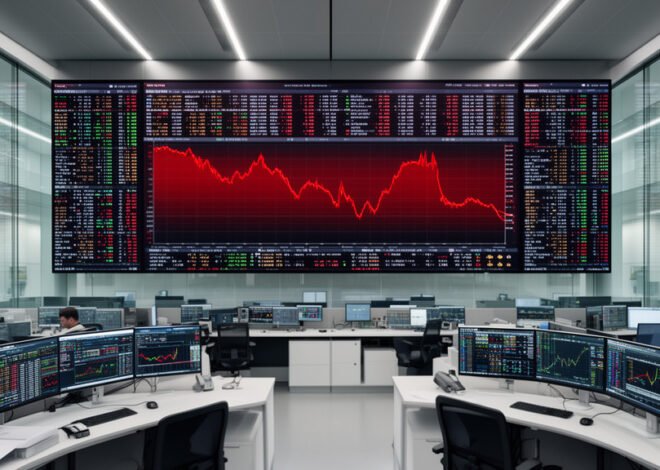
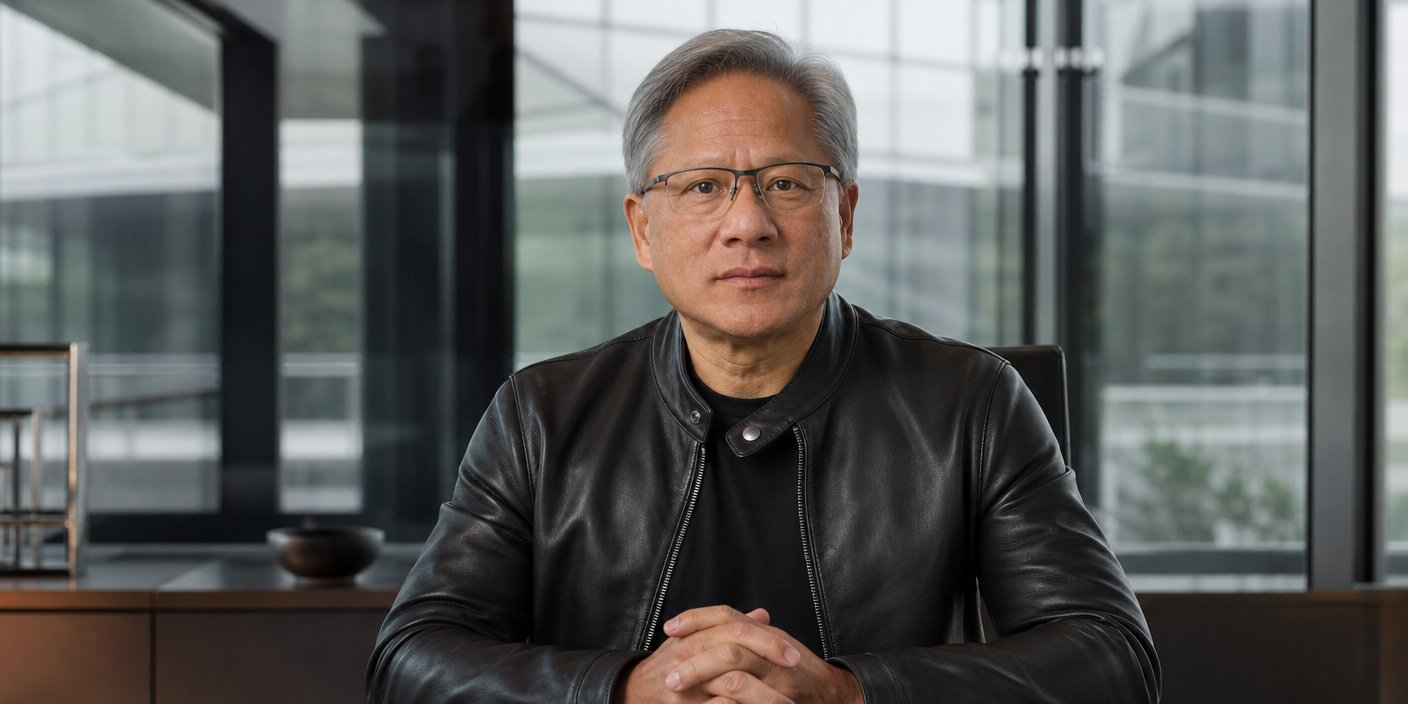
The landscape of the global technology sector shifted seismically on November 13, 2026, as the unexpected resignation of Nvidia CEO Jensen Huang sent shockwaves through Wall Street. The sudden announcement, triggered by surfacing reports regarding Huang’s association with a suspected Chinese intelligence asset and allegations of inappropriate relationships with company subordinates, caused a sharp contraction in major indices. By the closing bell, the Nasdaq Composite had fallen 1.8%, while the S&P 500 retraced 1.1%, largely dragged down by a 14.2% intraday collapse in Nvidia (NVDA) stock. The semiconductor industry, the backbone of the current artificial intelligence boom, now faces a period of profound uncertainty as investors grapple with the sudden loss of a foundational industry leader.
The Immediate Financial Impact on the Tech Sector
The market’s reaction was immediate and punishing. As news of the investigation and subsequent resignation broke, algorithmic trading systems triggered mass sell-offs across semiconductor-adjacent equities. Nvidia, which has been the primary driver of the AI-led rally over the past three years, saw its market capitalization evaporate by billions in a matter of hours. The Philadelphia Semiconductor Index (SOX) cratered, reflecting investor anxiety that the disruption at the top of the supply chain would stifle the aggressive hardware development roadmaps that tech giants and enterprise clients have come to rely on. Analysts are characterizing the event not merely as a corporate personnel issue, but as a systemic risk to the tech sector’s valuation models, which have been heavily premised on Nvidia’s sustained dominance under Huang’s leadership.
Governance, Security, and Corporate Accountability
The specifics of the allegations are particularly damaging. Reports indicate that the board of directors was briefed on evidence linking Huang to an individual suspected of involvement with Chinese intelligence services, raising catastrophic concerns regarding corporate espionage and the protection of intellectual property related to next-generation AI chip architectures. Furthermore, the internal conduct allegations—involving relationships with subordinates—have triggered a crisis of corporate governance. This confluence of national security concerns and internal ethics violations has left the board with little choice but to move decisively. The speed of the resignation suggests a proactive attempt by Nvidia’s board to mitigate federal regulatory scrutiny, specifically from the SEC and potentially national security oversight bodies that guard critical dual-use technologies.
The Kress Era: Navigating Uncharted Waters
Following the announcement, Nvidia’s board moved quickly to appoint long-time CFO Colette Kress as interim CEO. Kress, who has served as the company’s financial steward since 2013, is widely respected on Wall Street for her disciplined approach to operational expenses and her pivotal role in managing Nvidia’s transition from a gaming-focused hardware maker to an AI-infrastructure juggernaut. However, the transition poses unique challenges. Kress is tasked with stabilizing a company currently reeling from a leadership vacuum and a public relations disaster, all while maintaining the delivery schedule of the Blackwell-successor chip lines that are currently critical to the global tech ecosystem.
CFO to CEO: A Transition Strategy under Fire
The market’s initial reaction to Kress’s appointment has been mixed. While there is comfort in her deep familiarity with the company’s capital allocation and operational mechanics, skeptics argue that leading an engineering-heavy culture like Nvidia requires a visionary technological leader rather than an operational one. Investors are closely monitoring Kress’s first moves, specifically regarding how she addresses the internal culture audit that is now inevitable. A key question is whether Kress can maintain the loyalty of Nvidia’s engineering core, who have historically been deeply aligned with Huang’s personal vision for the company. The departure of key technical leads, should it occur, would represent a secondary disaster for the stock.
Restoring Investor Confidence and Ethical Standards
Beyond technical product cycles, Kress must immediately embark on a massive campaign to restore confidence among institutional investors. This includes transparency regarding the internal investigation into the events leading to Huang’s departure. The market is currently pricing in a “governance discount” on Nvidia shares, as the potential for further revelations about corporate security vulnerabilities remains a “known unknown.” Until the company can prove that its core IP remains secure and that the internal culture has been sanitized of the systemic issues implied by the recent scandals, volatility is expected to remain elevated.
Global Supply Chains and the Future of AI Dominance
The broader implications of the Nvidia leadership shake-up extend far beyond the stock price. The global AI infrastructure—from cloud data centers to autonomous systems—is predicated on the uninterrupted supply of Nvidia’s high-bandwidth memory (HBM) and GPU clusters. Any disruption in management that leads to production delays or shifts in strategic partnership priorities creates a ripple effect across the entire software industry. Major cloud providers such as Microsoft, Google, and Amazon, all of whom have deep capital investments in Nvidia-based infrastructure, are now forced to re-evaluate their hardware reliance and supply chain diversification strategies.
The Semiconductor Ecosystem Reeling
The semiconductor index is not merely reacting to a single company’s news; it is reacting to the realization that the “AI supercycle” may be more fragile than previously understood. The concentration of power in a single company, and indeed a single personality, has been a key vulnerability that the market had largely ignored until now. As global economies continue to pour capital into AI, the fragility of the supply chain is becoming a top-tier macroeconomic concern. Governments are likely to increase oversight on the semiconductor sector, viewing chip leadership as a matter of national security, especially given the intelligence-related allegations in this scandal.
Strategic Roadmaps and Innovation Continuity
Looking forward, the question remains: Can Nvidia innovate without Huang’s singular focus? The company’s roadmap for 2027 and 2028 is aggressive, relying on breakthroughs in interconnects and thermal management. If Kress can shield the engineering teams from the corporate chaos, Nvidia may weather the storm. If, however, the cultural turmoil bleeds into R&D, we may see a deceleration in the cadence of new releases. For the market, the coming weeks will be defined by one metric above all: operational continuity. If the shipments continue and the revenue guidance remains intact, the market may look past the scandal. If the numbers slip, the Huang era will be remembered not just as a period of growth, but as the prologue to a significant correction in the AI valuation thesis.

Related Posts