Australia Deploys New Arsenal Against Rampaging Crown-of-Thorns Starfish Threatening Great Barrier Reef
Australia is fighting back against a major threat to its iconic Great Barrier Reef. Hungry crown-of-thorns starfish are spiraling out of control. These voracious coral predators devastate reef ecosystems. Scientists now have a new plan to combat them. This news is critical for marine conservation.
The Growing Crown-of-Thorns Starfish Problem
Crown-of-thorns starfish (COTS) are a native species. However, their populations can explode into outbreaks. These events cause massive coral loss. Since the 1960s, four major outbreaks have occurred. Outbreaks typically start in the north. They then spread south over time. These starfish consume vast amounts of coral. A single starfish can eat a dinner-plate sized piece daily. They are a primary cause of coral decline. Initial coral cover dropped by 50% from 1980 to 2012. COTS were responsible for nearly half of this loss. The Great Barrier Reef Marine Park Authority (GBRMPA) actively manages these outbreaks. The risk level from COTS has reduced from very high in 2019 to high in 2024. Yet, outbreaks continue. They remain a key threat to coral health. Recent news highlights ongoing severe outbreaks. These are concentrated between Cairns and Lizard Island. The northern region is a known breeding ground. It is sometimes called the “initiation box.” Scientists are also investigating a “degraded reef hypothesis.” This suggests starfish thrive in coral rubble. They then prey on new coral growth. This creates a troubling cycle.
A Multi-Faceted New Plan of Attack
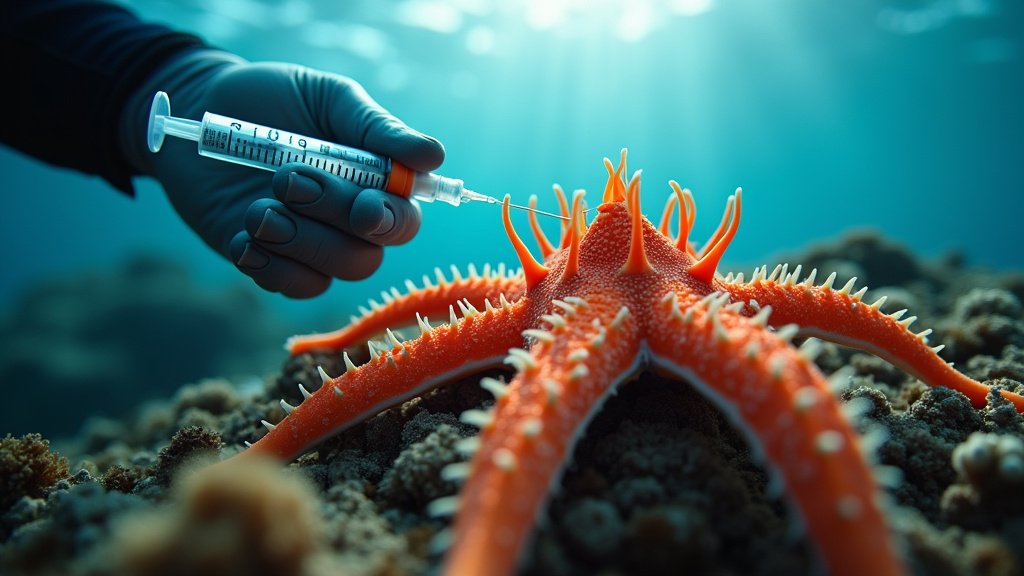
Scientists and management bodies are deploying a comprehensive strategy. This new plan combines several approaches. The core effort involves manual culling. Teams of divers inject starfish. They use solutions like household vinegar or ox bile. This method is effective and safe for the ecosystem. It kills the starfish without harming other marine life. The Australian Government funds a major control program. This program targets high-value reefs. These include prime tourism sites. The Crown-of-Thorns Starfish Control Program is a partnership. It involves the GBRMPA, Reef and Rainforest Research Centre, and the Great Barrier Reef Foundation. They collaborate with government agencies and industry partners. Over 830,000 hectares of reef have been protected. Nearly 1.4 million starfish have been removed. The program uses six vessels and many divers. They conduct surveys and remove starfish. This targeted approach helps protect coral cover. It allows corals to recover and grow. Timely intervention is key to success. This management action enhances reef resilience. It supports adaptation to climate change.
Innovative Tools and Future Strategies
Beyond manual culling, research is exploring new frontiers. Scientists are investigating synthetic pheromones. These could lure starfish into traps. This offers a promising way to attract and cull them. It addresses their cryptic nature. Many starfish hide within the reef structure. New detection methods are also being developed. These include analyzing starfish DNA in water samples. This can help identify juvenile or hidden adults. It informs early intervention strategies. This helps prevent larger outbreaks. The Australian Institute of Marine Science (AIMS) is researching this. They are looking at natural chemical cues. These cues can attract or disperse starfish. This research aims to create starfish baits. These baits could draw them to specific locations. Hydrodynamic models help optimize bait deployment. Other innovations include deterrents. These might come from starfish predators like the giant triton snail. Research into their chemistry could repel starfish. Conservation efforts also protect fish species. Certain fish, like emperors, eat crown-of-thorns starfish. Protecting these predatory fish is crucial. Increased no-take zones and fishing regulations help fish populations recover. This indirectly reduces starfish outbreaks. Model projections show these measures are vital. They help avert continuous starfish outbreaks. This safeguards coral populations.
Collaboration and Ongoing Efforts
The fight against COTS is a massive undertaking. It requires significant resources and collaboration. The COTS Control Program receives substantial funding. This ensures continued efforts until 2030. It supports monitoring, fieldwork, and training. Tourism operators and local communities are involved. This culture of partnership is essential. It allows for adaptive management. This approach integrates science, management, and on-ground action. The program has received awards for its efforts. Continued investment and research are vital. The goal is to protect the reef’s future. This fight is ongoing. The latest news shows a sustained commitment. Efforts aim to control recent outbreaks effectively. They focus on reducing impacts and enhancing recovery. This protects a vital ecosystem. It also supports the Australian economy. The Great Barrier Reef is a global treasure. Its protection is a shared responsibility.


Related Posts