European Heritage Excellence Day 2025 Celebrates Innovation, Creativity, and Community in Brussels
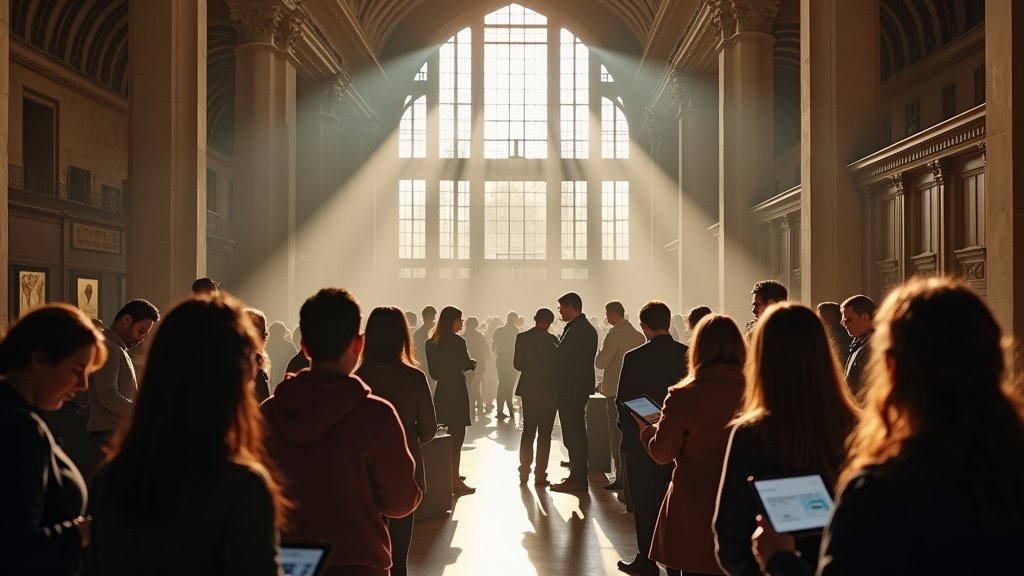
Brussels, Belgium – October 12, 2025 – The European Heritage Excellence Day 2025, held today at the Royal Museums of Fine Arts in Brussels, served as a vibrant platform to spotlight the transformative power of innovation, creativity, and community engagement within Europe’s rich cultural heritage sector. As a key event within the broader European Cultural Heritage Summit 2025, the day brought together approximately 300 participants, including experts, researchers, advocates, and volunteers from across the continent, to celebrate the achievements of the 30 winners of the European Heritage Awards / Europa Nostra Awards 2025.
A Summit of Significance in the Heart of Europe
The European Cultural Heritage Summit 2025, taking place in Brussels from October 12th to 15th, underscores the pivotal role of cultural heritage in shaping Europe’s future. Hosting the summit in the EU’s capital city carries symbolic weight, especially as discussions around future EU policies and funding for cultural heritage intensify. Sneška Quaedvlieg-Mihailović, Secretary General of Europa Nostra, officially launched the summit, emphasizing Brussels as a crucial nexus for these important dialogues. She lauded the award winners, stating, “All of you are a representative sample of the variety of actors contributing to the wellbeing of our cultural heritage and ensuring it will be transmitted, in even better shape, to future generations.”
Showcasing Thirty Exemplary Heritage Projects
The European Heritage Excellence Day provided an intimate look at the 30 outstanding projects and individuals recognized by the prestigious European Heritage Awards / Europa Nostra Awards 2025. These laureates, drawn from 24 European countries, presented their inspiring work across five distinct categories: Conservation & Adaptive Reuse; Research; Education, Training & Skills; Citizens’ Engagement & Awareness-raising; and Heritage Champions. These diverse projects exemplify the high standards and innovative approaches being adopted across Europe to safeguard and promote cultural heritage.
Innovation and Creativity Driving Heritage Forward
Innovation and creativity were recurring themes among the awardees. Projects highlighted included the pioneering restoration of the Hôtel Solvay in Brussels, which masterfully combined traditional craftsmanship with technical ingenuity to address structural and waterproofing issues. In Norway, the “Secrets of the Ice” project, part of the Glacier Archaeology Programme, showcased groundbreaking research by discovering artifacts up to 6,000 years old, including remarkably preserved ancient skis, representing half of the world’s glacial archaeological findings. The Heritage Trees Project in Belgium demonstrated an innovative method for propagating ancient trees using their own DNA, ensuring the survival of unique botanical heritage.
Fostering Community and Inclusivity
Beyond technical advancements, many projects underscored the profound impact of heritage in fostering community and inclusivity. Casa Batlló in Barcelona, Spain, was recognized for its pioneering work in integrating neurodivergent individuals into its museum roles, setting an international benchmark for inclusion. The ASTRA Centre in Sibiu, Romania, revitalized a medieval guildhall into a dynamic hub for training, certification, and cultural activities, strengthening community resilience and professionalizing artisans. In Bulgaria, the Bedechka Park in Stara Zagora became a symbol of community-driven preservation, transformed into the country’s first land art and heritage park through civic advocacy and creative initiatives.
Expert Voices on Heritage’s Value
Judith Videcoq, Head of Unit for Creative Europe at the European Commission, delivered concluding remarks, emphasizing the courage, collaboration, and unwavering belief in heritage demonstrated by the winners. She stated, “Your stories have also reminded us: heritage work is not easy. It takes technical expertise, a wide range of skills, the ability to innovate… but also passion, perseverance, and above all, patience”. Videcoq further highlighted heritage’s role in building a better, more sustainable, and inclusive future, acting as a living force for community, education, and innovation. Jacek Purchla, Vice-President of Europa Nostra and Chair of the Awards’ Jury 2025, noted that many of these projects set shining examples for a more sustainable, green, and inclusive future, fostering a sense of community and belonging.
A Vision for Europe’s Cultural Future
The European Heritage Excellence Day and the accompanying Summit are particularly timely, coinciding with anticipation for the European Commission’s forthcoming “Culture Compass for Europe.” This initiative aims to integrate culture more strategically into policymaking across the EU, guiding future cultural strategies and funding. The recent news from Brussels signifies a collective commitment to leveraging cultural heritage not just as a link to the past, but as a vital engine for societal cohesion, economic development, and a sustainable future for all Europeans. The ongoing work and recent announcements reinforce that culture remains central to Europe’s identity and future vision.


Related Posts