Global Divisions Highlight Urgent Need for Culture’s Priority: MONDIACULT 2025 Calls for Action
In an era marked by profound global divisions and interconnected crises, UNESCO has reiterated its call to place culture at the forefront of international policy and development agendas. This urgent appeal comes as the organization unveils significant findings and pathways forward, particularly highlighted during recent high-level discussions surrounding the MONDIACULT initiative.
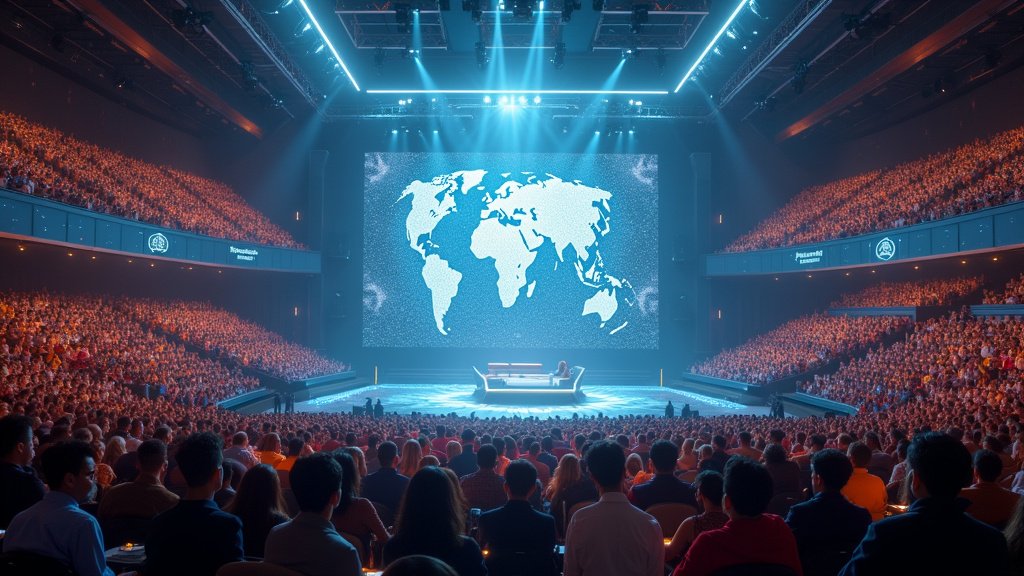
At the MONDIACULT 2025 conference held recently in Barcelona, Spain, over 160 countries convened to address the critical role of culture in fostering resilient societies and sustainable development. This significant gathering served as a platform for unveiling UNESCO’s first-ever Global Report on Cultural Policies, a landmark publication offering comprehensive data and analysis on the state of cultural policies worldwide. The report underscores the substantial economic contribution of cultural and creative industries, revealing they account for 3.39% of global GDP [cite: initial context]. This recent news signifies a growing recognition of culture not merely as an artistic pursuit, but as a vital economic engine and a driver of societal well-being.
MONDIACULT 2022: Laying the Groundwork for a Cultural Future
The MONDIACULT 2025 conference builds upon the momentum established by the UNESCO World Conference on Cultural Policies and Sustainable Development – MONDIACULT 2022, held in Mexico City. That seminal event, forty years after the first MONDIACULT, saw 150 nations unanimously adopt an ambitious Declaration for Culture, affirming its status as a “global public good”. This declaration called for culture to be integrated as a distinct objective within the future United Nations Sustainable Development Goals, emphasizing its role in peace, solidarity, and resilience. It also laid the groundwork for strengthening public policies and international cooperation in the cultural sector.
Global Report Unveils Economic Impact and Policy Integration
The recent Global Report on Cultural Policies, presented at MONDIACULT 2025, offers compelling evidence of culture’s widespread integration into national development strategies. A majority of participating countries now actively incorporate cultural considerations into their development policies, reflecting a significant shift in global governance [cite: initial context]. Beyond its economic value, measured by its contribution to GDP and employment, culture is increasingly understood as a catalyst for social cohesion, innovation, and addressing complex global challenges such as climate change and inequality.
Renewed Commitment to International Conventions and Heritage Protection
A key outcome of these recent MONDIACULT discussions is the near 80 new ratifications of UNESCO’s Culture Conventions [cite: initial context]. This surge in adherence signals a robust political will to uphold international standards for heritage protection, cultural diversity, and the fight against the illicit trafficking of cultural property. The Declaration adopted at MONDIACULT 2022 also mandates intensified efforts to combat illicit trafficking, urging market operators to scrutinize provenance and calling for open dialogue on the return and restitution of cultural property. Furthermore, joint nominations for World Heritage sites and intangible cultural heritage have seen an increase, demonstrating enhanced international collaboration in safeguarding humanity’s shared legacy.
Addressing Emerging Challenges and Future Priorities
MONDIACULT 2025 also focused on contemporary issues, including the profound impact of digital transformation on culture and the need for stronger protection for artists and cultural professionals. The conference highlighted concerns regarding artistic freedom, with fewer than 50 countries possessing independent bodies to monitor its state. Discussions also centered on the ethical implications of artificial intelligence in the cultural sphere and the necessity of robust legal frameworks to ensure online cultural diversity and protect intellectual property. Initiatives like the launch of the world’s first Virtual Museum of Stolen Cultural Objects at MONDIACULT 2025 demonstrate a proactive approach to addressing heritage protection and restitution.
Conclusion: Culture as Indispensable for a Sustainable Future
The overarching message from recent MONDIACULT gatherings is clear: culture is not an optional add-on but an indispensable component of sustainable development, peace, and global security. As the world navigates an increasingly complex landscape, the commitment to prioritizing culture, backed by concrete policies, increased investment, and international cooperation, remains crucial for building a more equitable, resilient, and vibrant future for all.


Related Posts