
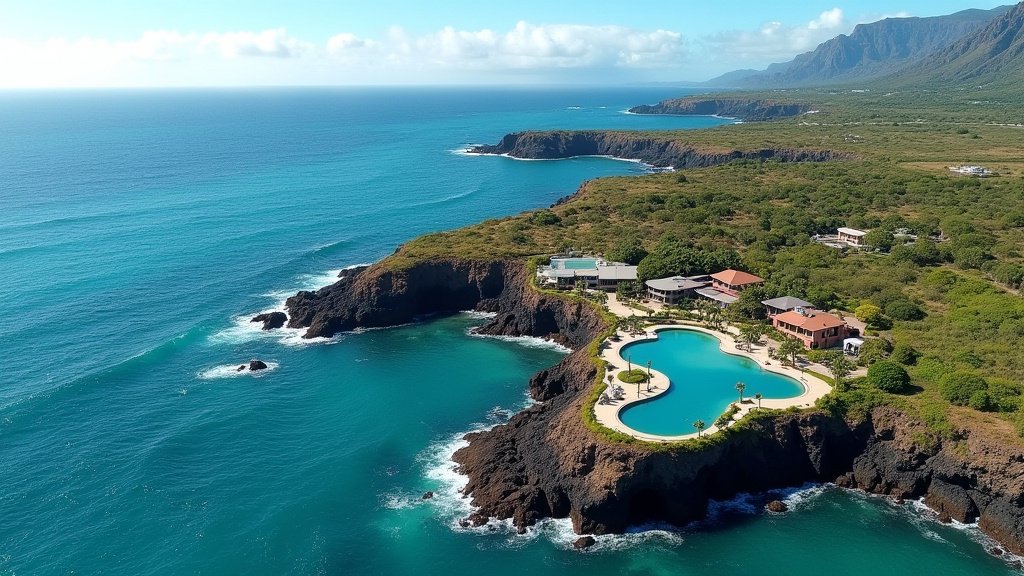
Hawaiian Council Secures Landmark Acquisition of Sea Life Park
In a pivotal development for regional land stewardship and cultural preservation, the Hawaiian Council has officially acquired Sea Life Park, the renowned marine attraction situated along the rugged, scenic coastline near Waimānalo. This acquisition represents more than a simple change in ownership; it marks a strategic shift toward community-led oversight of one of Oʻahu’s most ecologically significant coastal zones. By bringing the park under the administration of the Hawaiian Council, stakeholders aim to integrate deep-rooted cultural values with ongoing marine education and conservation efforts, fundamentally altering the trajectory of the site’s future operations.
Key Highlights
- Land Stewardship Shift: The Hawaiian Council has completed the acquisition of Sea Life Park, moving the historic site from private commercial management to council-led stewardship.
- Cultural Integration: The transition emphasizes the incorporation of Native Hawaiian cultural protocols and educational values into the existing marine park framework.
- Waimānalo Coastline Preservation: The move is seen as a major step in the long-term conservation of the Makapuʻu Point region, balancing tourism with environmental respect.
- Operational Continuity: Current park operations, including animal care facilities and conservation programs, are slated to continue under new governance with enhanced community-focused oversight.
A New Era of Cultural and Ecological Stewardship
The acquisition of Sea Life Park by the Hawaiian Council arrives at a critical juncture for Hawaii’s tourism and environmental sectors. For decades, the site, which opened its doors in 1964, has served as a focal point for marine education in the Pacific. However, the transition to the Hawaiian Council suggests a pivot away from traditional commercial entertainment models toward a philosophy centered on aloha ʻāina—the concept of loving and caring for the land. This shift is not merely administrative; it is a manifestation of a broader movement within the islands to reclaim control over the stewardship of sensitive coastal areas.
The Historical and Ecological Significance of Waimānalo
Waimānalo, known for its pristine beaches and spiritual resonance, serves as the backdrop for this historic transaction. The coastline surrounding Sea Life Park is home to complex marine ecosystems and archaeological sites that hold immense value to the local community. By securing this property, the Hawaiian Council effectively creates a buffer zone, ensuring that future development or operational changes align with cultural mandates rather than purely profit-driven imperatives. The integration of traditional ecological knowledge with modern marine biology practices offers a unique opportunity to revitalize the park’s role as an educational institution.
Strategic Implications for Marine Conservation
Beyond the cultural aspects, the acquisition directly influences how marine wildlife rehabilitation and conservation are conducted on the island. The park has historically served as a critical hub for the rescue and rehabilitation of sea turtles, seabirds, and other protected species. The Hawaiian Council has signaled its intent to deepen these ties to conservation biology. By prioritizing native species and localized environmental education, the council aims to transform the facility into a living laboratory. This approach provides a blueprint for other organizations seeking to modernize marine parks, proving that such facilities can serve as centers for scientific research rather than just visitor attractions.
Managing the Transition: Economics and Community
The economic impact of this transition is being closely monitored by local residents and tourism operators. The Hawaiian Council has expressed a commitment to maintaining current employment levels, ensuring that the staff who are vital to the day-to-day operations of the park remain an integral part of the transition. Furthermore, by retaining the core infrastructure of the park, the council avoids the disruptions often associated with major asset transfers. This stability is crucial for the tourism industry in East Oʻahu, which relies on the predictability of major attractions to draw visitors to the windward side of the island.
Future Vision and Long-Term Sustainability
Looking ahead, the council’s primary challenge will be to balance the financial realities of maintaining a large-scale marine facility with the mandate for cultural integrity. Sustainability, in this context, is defined by the ability to generate sufficient revenue to fund the high costs of marine animal care while simultaneously expanding educational programs that are accessible to local schools and families. The Hawaiian Council is currently developing a comprehensive master plan that will likely emphasize localized workforce development, enhanced collaboration with indigenous researchers, and a complete overhaul of the guest experience to reflect the history and significance of the Waimānalo landscape. This represents a robust, multi-faceted approach to property management that transcends the standard private-equity model typically seen in the attractions industry.
FAQ: People Also Ask
How will this change the visitor experience at Sea Life Park?
Guests should expect a gradual shift toward more culturally immersive educational programs. While the primary marine animal exhibits will continue, there will likely be increased emphasis on the historical and ecological context of the Waimānalo coastline.
What happens to the marine animals currently at the park?
The animal care protocols remain under the strict oversight of regulatory bodies. The Hawaiian Council has emphasized that the health, safety, and rehabilitation programs for the animals are a top priority, with plans to enhance, not diminish, these services.
Will the park remain open during the transition?
Yes, the Hawaiian Council has confirmed that operations will continue without interruption. The acquisition process is designed to ensure seamless continuity for employees, visitors, and the resident animals.
What does the Hawaiian Council plan to do with the land?
The council is focused on long-term stewardship. This includes preserving the natural coastline, integrating indigenous land management practices, and creating an educational hub that serves both the local community and global visitors.


Related Posts


