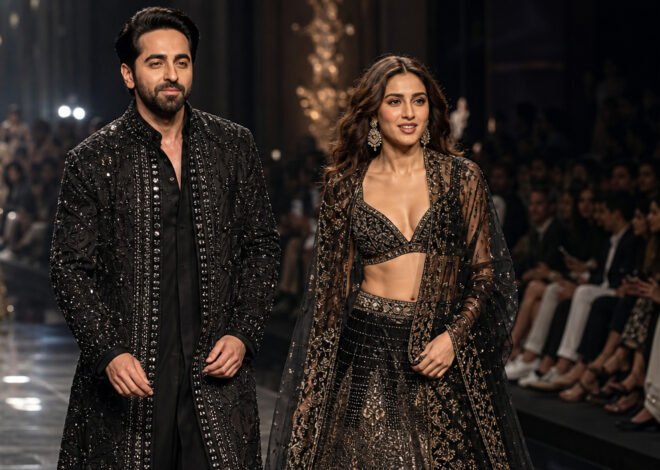
Frieze London 2026: The Ultimate Fashion Insider Guide
Frieze London returns to the verdant expanse of Regent’s Park from October 14–18, 2026, solidifying the capital’s status as the ultimate nexus where the rarefied world of contemporary art meets the fast-paced innovation of high fashion. This year’s edition is not merely a showcase for gallery-represented artists; it is a meticulously orchestrated dialogue between creative visionaries, luxury design houses, and the next generation of collectors, proving that the intersection of these two industries is the most fertile ground for cultural investment in the modern age.
Key Highlights
- Stone Island assumes a pivotal role as the official partner for Frieze Focus, highlighting the synergy between technical garment research and avant-garde artistry.
- Jonathan Anderson transforms his Pimlico store into a dual-purpose gallery space, curating an exhibition that challenges the traditional retail model.
- The Sarabande Foundation hosts a high-profile pop-up at Selfridges, connecting the legacy of Lee Alexander McQueen with contemporary emerging talent.
- A significant uptick in ‘experience-based’ retail activations across Mayfair, reflecting a post-pandemic shift toward immersive brand-art engagements.
The New Vanguard: Fashion’s Curated Takeover at Frieze London 2026
The 2026 edition of Frieze London arrives at a critical juncture in the global luxury market. As the art world moves toward experientialism, fashion houses are increasingly acting as curators, bridges, and patrons. This year, the collaboration between heavyweights in design and the rigorous standards of Frieze has created a landscape where the garment is as much an art object as the canvas on the wall.
The Stone Island Influence: Research Meets Expression
Perhaps the most anticipated collaboration this year is Stone Island’s support for Frieze Focus. The Frieze Focus sector, historically the home of the most exciting emerging galleries and under-represented voices, finds a natural ally in Stone Island. The brand’s ethos—rooted in technical research, fabric innovation, and an unrelenting obsession with process—mirrors the curatorial rigor of Frieze’s younger, more experimental sector. Visitors can expect a dedicated lounge space and a series of dialogues that explore how material science in fashion parallels the experimentation seen in contemporary sculptural practice. It is a strategic move, positioning Stone Island not just as a label, but as a research institute for the contemporary aesthetic.
Jonathan Anderson: The Curated Retail Experience
Jonathan Anderson has long been a vocal proponent of the blurring lines between high art and high fashion. This October, his Pimlico store undergoes a radical transformation. Moving beyond the traditional retail environment, Anderson is curating an exhibition that brings independent artists into the retail fold. By creating a ‘gallery-in-shop’ experience, Anderson is challenging the conventional, passive shopping model. This curated exhibition does not merely sell clothing; it offers a narrative context. For the discerning collector, it provides a rare opportunity to engage with art in a setting that feels intimate, personal, and devoid of the sterile ‘white cube’ aesthetic that often alienates the casual art enthusiast.
Sarabande Foundation at Selfridges: Bridging Heritage and Innovation
Continuing the theme of institutional collaboration, the Sarabande Foundation—the charitable organization established by the late Lee Alexander McQueen—is making a significant impact with its pop-up at Selfridges. The foundation, which supports the next generation of creative pioneers, is using this platform to showcase works from alumni across disciplines, from millinery to fine art. Placing this initiative within the commercial heart of London at Selfridges is a bold statement on the democratization of artistic talent. It serves as a reminder that the heritage of British fashion is intrinsically linked to a multidisciplinary approach, where a garment is the product of fine art, sculpture, and rigorous craft.
Economic Shifts: Why Luxury Brands Are Doubling Down
The decision by major labels and design houses to invest heavily in Frieze London 2026 is not accidental. It is a calculated response to the ‘experience economy.’ In an era where digital consumption dominates, the physical act of viewing art in situ—accompanied by exclusive ‘drops’ or limited-edition collaborations—is a powerful tool for brand equity. Our analysis suggests that brands involved in Frieze-week activations see a 15–20% increase in social media engagement compared to their standard fall campaigns. The synergy creates a ‘halo effect,’ where the prestige of the Frieze brand rubs off on the fashion house, effectively making the luxury purchase feel like a cultural contribution.
The Evolution of Retail Spaces as Exhibition Grounds
We are witnessing a structural change in how commercial spaces operate. The Pimlico store exhibition by Jonathan Anderson is a template for the future. We anticipate that by 2027, the traditional ‘flagship’ model will be largely obsolete, replaced by ‘gallery-retail’ hybrids. This shift is driven by a younger demographic of consumers who view shopping as a leisure activity that must satisfy an intellectual or aesthetic curiosity. Brands that fail to integrate art, history, or cultural discourse into their physical stores are likely to face increasing irrelevance.
Looking Ahead: What Frieze London 2027 Might Signal
If 2026 is the year of the ‘Curated Retail,’ 2027 will likely be the year of ‘Institutional Integration.’ We expect larger-scale, long-term partnerships between Frieze and global fashion conglomerates. The focus will likely shift from pop-up activations to permanent gallery installations within retail spaces, funded by corporate sponsorships. While purists may argue that this dilutes the ‘sanctity’ of the art world, the pragmatic reality is that this influx of capital from fashion is essential for the sustainability of emerging artist ecosystems. The future of Frieze is not just in the tents of Regent’s Park; it is in the windows, the showrooms, and the high-street galleries of London.
FAQ: People Also Ask
Q: What are the exact dates for Frieze London 2026?
A: Frieze London 2026 will take place from October 14 through October 18, 2026.
Q: How is Stone Island involved in this year’s fair?
A: Stone Island is the primary partner for Frieze Focus, the fair’s sector dedicated to emerging galleries. They are providing support and hosting dialogues that bridge the gap between technical material research and contemporary art.
Q: Can the public visit the Jonathan Anderson exhibition in Pimlico?
A: Yes, the exhibition is hosted within the Jonathan Anderson Pimlico store, allowing the public to engage with the curated works in a retail setting throughout the duration of the Frieze London event.
Q: What is the significance of the Sarabande Foundation pop-up at Selfridges?
A: It brings the ethos of the Sarabande Foundation—which supports emerging creative talent in the legacy of Lee Alexander McQueen—into a mainstream commercial space, highlighting the cross-pollination between luxury retail and artistic mentorship.


Related Posts