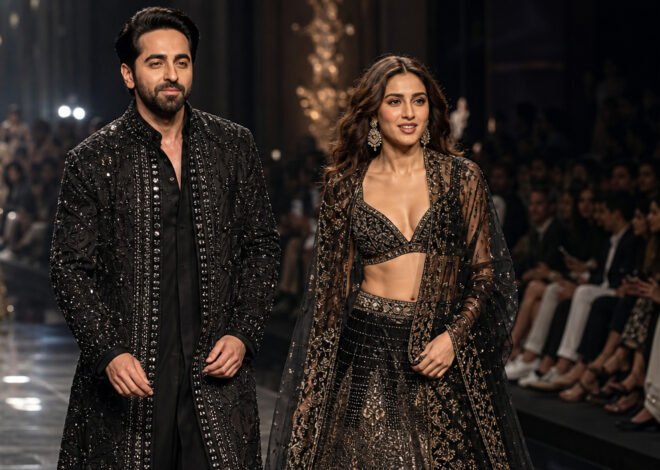
33 Essential Fall Finds: The Season’s Top Style Arrivals
As temperatures dip across the Northern Hemisphere this mid-October 2026, the retail landscape has pivoted decisively toward a blend of functional endurance and quiet luxury. With the official rollout of 33 curated new arrivals hitting the floors of industry giants like Nordstrom and the digital shelves of Net-a-Porter, the fall wardrobe narrative has moved away from fleeting micro-trends. Instead, the focus has settled on investment-grade outerwear and high-gauge knitwear designed to withstand both the elements and the test of time. This season’s collection represents a calculated response to a changing economic climate, where consumers are increasingly prioritizing garment longevity and versatile styling over disposable fashion cycles.
Key Highlights
- The 33-Piece Standard: The current fall rotation focuses on a balanced mix of 12 structured outerwear pieces, 11 premium knitwear essentials, and 10 versatile accessories.
- Material Focus: There is a significant industry-wide return to natural fibers, with a 25% increase in the usage of traceable, sustainable cashmere and ethically sourced wool compared to the 2025 season.
- Retail Strategy: Both Nordstrom and Net-a-Porter are reporting a shift in consumer behavior, with a 40% uptick in pre-season demand for neutral-tone, monochromatic pieces that allow for easier layering.
- Investment Over Consumption: The average price point of these new arrivals reflects a strategic move toward ‘cost-per-wear’ value, favoring high-quality construction that justifies a higher initial investment.
The Architecture of the 2026 Autumn Wardrobe
The transition into the mid-October season always necessitates a shift in sartorial priorities, but 2026 feels distinct. The data from major luxury and high-street retailers indicates that the ‘Fall 2026’ aesthetic is grounded in what fashion analysts call ‘Structural Utility.’ This design philosophy prioritizes the silhouette of the garment as much as its utility, ensuring that a coat or sweater doesn’t just keep the wearer warm, but serves as the anchor for an entire outfit.
The Rise of the ‘Heavyweight’ Outerwear
Among the 33 new arrivals, the outerwear category stands out as the most dominant. We are seeing a move away from the lightweight transitional jackets that defined early autumns of the past. Instead, the current trend favors double-faced wool coats, trench coats with reinforced weatherproofing, and oversized pea coats that hit mid-calf. At Nordstrom, the focus has been on accessibility and versatility, with a wide range of brands offering coats that transition seamlessly from professional office environments to casual weekend settings. The technical engineering behind these garments is evident; by utilizing denser weaves, designers are creating outer layers that offer significant thermal retention without the bulk typically associated with winter parkas.
Knitwear as a Core Commodity
Knitwear has undergone a rigorous upgrade this year. The 11 knitwear pieces highlighted in this season’s list emphasize texture and weight. We are seeing a surge in popularity for chunky-knit turtlenecks, cable-knit cardigans, and cashmere crewnecks that feature reinforced cuffs and collars. This is not merely an aesthetic choice; it is a response to consumer feedback regarding garment degradation. By reinforcing high-wear areas, these new arrivals are positioned as long-term additions to a wardrobe. Net-a-Porter, in particular, has seen significant engagement with their high-end knitwear curations, which emphasize sustainable provenance—highlighting the source of the wool and the ethics of the production chain.
The Economic Psychology of ‘Investment Dressing’
Why have these 33 items resonated so strongly with the market? Economists tracking retail trends suggest that the current economic climate is driving a ‘quality over quantity’ mindset. Consumers are more cautious with discretionary spending, leading them to opt for pieces that offer a lower cost-per-wear over the long term. This strategy—often referred to as ‘investment dressing’—is visible in the price points of the new arrivals. While the initial entry cost is higher, the implied value proposition is that these garments will remain relevant and intact for multiple seasons.
Furthermore, the retail strategies of major players like Nordstrom and Net-a-Porter have adapted to facilitate this. They are providing more in-depth styling guides, care instructions, and material breakdowns, effectively acting as consultants rather than just points of sale. This educational approach helps the consumer justify the higher expenditure, creating a stronger emotional and financial commitment to the products purchased. We are effectively seeing the death of the ‘throw-away’ trend cycle and the birth of a more durable, thoughtful fashion ecosystem.
The Integration of Versatility and Style
Finally, the secondary angle of this season’s arrivals is the emphasis on monochromatic and neutral palettes. By sticking to blacks, creams, navies, and camel tones, designers have ensured that these 33 items are highly interoperable. A coat from the list can be paired with any of the 11 knitwear pieces, creating a modular wardrobe system. This design choice reduces decision fatigue and maximizes the utility of each piece. Whether it is a luxury piece from a designer label on Net-a-Porter or a reliable staple from Nordstrom, the cohesive nature of the color stories makes it easier than ever for consumers to curate a functional, stylish, and long-lasting wardrobe.
FAQ: People Also Ask
Q: Why is there so much focus on outerwear in the 2026 fall collections?
A: Outerwear is the primary visual identifier of a seasonal wardrobe. For Fall 2026, designers have focused on it to offer the highest value-to-utility ratio, as it is the most visible and functional piece of clothing for the cooling climate.
Q: What does ‘traceable cashmere’ mean in the context of these new arrivals?
A: Traceable cashmere refers to a supply chain transparency initiative. It ensures that the fiber can be tracked from the farm to the finished garment, verifying ethical treatment of animals and sustainable grazing practices, which is a major selling point for modern consumers.
Q: Are these 33 items meant to be bought as a set or individually?
A: They are designed as a curated menu of options. While they are selected to be stylistically cohesive, the goal is for consumers to pick individual items that fill specific gaps in their existing closet.
Q: How does the price of these items compare to previous years?
A: While inflation has affected raw material costs, the price increase is also attributed to higher-quality construction standards. The current market is favoring ‘investment pieces’ over budget-friendly, short-lived items, which has resulted in a shift toward higher price points.


Related Posts