Luxury & Impact: Chanel, Armani x Kith, and Fashion’s New Moves
The fashion industry continues to oscillate between the pinnacle of high-luxury craftsmanship and a renewed commitment to social responsibility. This week, the conversation was dominated by the intersection of iconic heritage labels and modern streetwear giants, alongside significant philanthropic efforts that prove style and substance are no longer mutually exclusive. As Chanel reignites the après-ski aesthetic with the latest Coco Neige release and the Giorgio Armani and Kith collaboration reshapes the landscape of high-fashion crossover, industry observers are noting a distinct shift in how brands engage with their audiences.
Key Highlights
- High-Fashion Fusion: The strategic alliance between Giorgio Armani and Kith marks a pivotal moment for the convergence of luxury couture and streetwear culture.
- Seasonal Shifts: Chanel’s Coco Neige collection returns, reaffirming the house’s dominance in high-end winter performance wear.
- Icons Reimagined: Max Mara expands its foundational Icons collection with the introduction of the ‘Ready’ coat, blending timeless architecture with modern utility.
- Horological Precision: Hublot unveils the Classic Fusion Tributo, a testament to the brand’s mastery of fusion materials and classic aesthetic integrity.
- Philanthropic Impact: Avenue The Label partners with 13 Australian artists to support The Skin Hospital, while the Fashion Impact Collective launches via Thread Together to address circularity in fashion.
The Architecture of Modern Luxury
The landscape of contemporary luxury is defined not just by product output, but by the strategic alliances that redefine brand perception. This week’s developments illustrate a clear trend: the deliberate blending of heritage prestige with modern accessibility.
The Armani-Kith Crossover
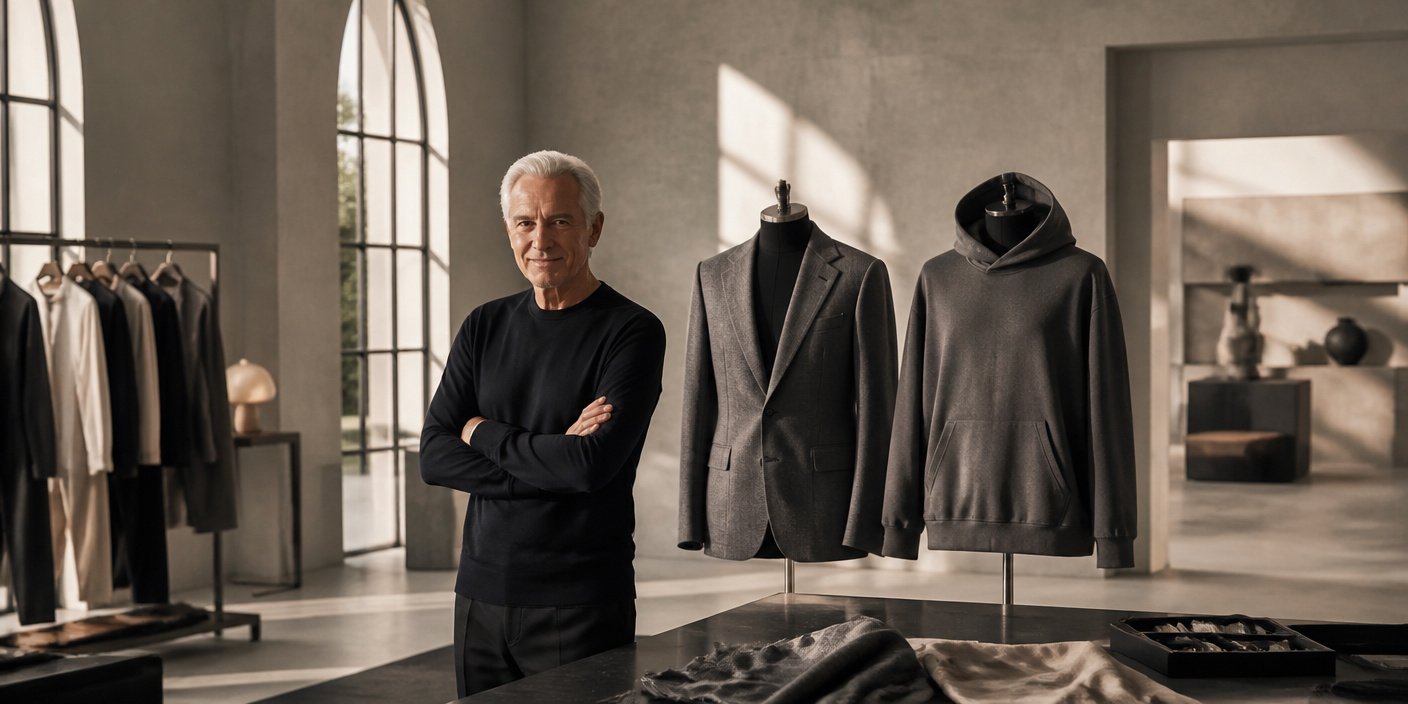
The Giorgio Armani and Kith collaboration stands as the week’s most disruptive narrative. For decades, Armani has epitomized the Italian tailoring tradition, characterized by unstructured silhouettes and neutral palettes. Kith, under the stewardship of Ronnie Fieg, has defined the modern streetwear lexicon. This partnership is not merely a product drop; it is a calculated effort to bridge the generational divide. By fusing Armani’s fabric expertise with Kith’s cultural currency, the collection challenges the sanctity of the ‘luxury’ label, proving that the future of the industry lies in cross-pollination. Market analysts suggest that this collaboration serves as a blueprint for other houses looking to penetrate the younger, digital-native demographic without diluting their primary brand identity.
Max Mara and the Power of the ‘Icon’
While collaboration dominates the headlines, Max Mara continues to double down on internal heritage. The introduction of the ‘Ready’ coat within the Icons collection is a masterclass in product positioning. Max Mara has successfully cultivated an image where the coat is not a seasonal purchase but a lifetime investment. By focusing on the ‘Ready’—a garment designed to be versatile, durable, and aesthetically timeless—the brand taps into the ‘quiet luxury’ movement that has seen a resurgence in 2024. This move suggests a pivot away from trend-chasing towards a more sustainable model of consumption, where the value lies in construction and longevity rather than novelty.
Chanel’s Coco Neige: A Seasonal Staple
Chanel’s reintroduction of Coco Neige is a strategic maintenance of the house’s winter footprint. Historically, luxury brands focused on heavy furs for winter, but Coco Neige has successfully pivoted to ‘performance luxury.’ By integrating technical fabrics with the classic Chanel tweed and interlocking CC motifs, the brand ensures its dominance in the global ski-resort market. It is a reminder of Chanel’s ability to maintain high-fashion relevance even when engaging with technical, sporting categories.
Time, Art, and Charity: The New Fashion Ecosystem
Beyond the runway and the flagship store, the industry is increasingly focused on tangible impact. The convergence of high art, watchmaking, and charity reflects an industry eager to justify its footprint through societal contribution.
Horological Excellence: The Hublot Classic Fusion Tributo
Hublot’s release of the Classic Fusion Tributo reminds the market that horology remains the anchor of luxury status symbols. The Classic Fusion line has always been about balancing the avant-garde with the traditional, and the Tributo iteration pushes this further. With its distinctive bezel and meticulous movement, the watch serves as a marker of the week’s focus on precision. In an era dominated by smartwatches, Hublot continues to make the case for mechanical complexity as an art form.
Philanthropy as a Brand Pillar
Perhaps the most significant developments this week occurred outside the direct ‘sales’ metrics. The collaboration between Avenue The Label and 13 Australian artists to raise funds for The Skin Hospital is an exemplary model of how niche brands can leverage community relationships for global good. By commissioning artists to interpret the brand’s ethos, they turn a simple product purchase into a charitable act. Similarly, the launch of the Fashion Impact Collective by Thread Together is a critical development for the circular economy. Addressing textile waste and clothing poverty at scale, this collective represents the growing industry consensus that profit-making must be tethered to waste-reduction strategies. These initiatives represent a move away from ‘greenwashing’ toward verifiable, community-level impact.
Economic and Cultural Predictions
Looking ahead, we can expect to see more ‘limited-edition’ philanthropic models. As consumers become more hyper-aware of the environmental cost of fashion, brands that integrate charitable arms (like the Thread Together initiative) will likely see higher customer retention and loyalty. The Armani/Kith blueprint will also become more common, with luxury houses increasingly willing to ‘rent’ their logos to streetwear partners to maintain market relevance among Gen Z and Alpha.
FAQ: People Also Ask
1. What is the significance of the Thread Together Fashion Impact Collective?
The Fashion Impact Collective is a strategic initiative aimed at addressing systemic issues in the fashion industry, specifically textile waste and clothing poverty. It serves as a centralized hub for brands to donate excess stock and for the industry to coordinate circularity efforts, turning potential landfill waste into essential aid.
2. Why is the Max Mara ‘Ready’ coat being highlighted as an ‘Icon’?
The ‘Ready’ coat is part of Max Mara’s ‘Icons’ series, which focuses on garments that define the brand’s identity. It is highlighted because it represents the perfect intersection of the brand’s heritage tailoring and the modern consumer’s demand for versatile, ‘all-day’ luxury outerwear that transcends seasonal trends.
3. How does the Giorgio Armani and Kith collaboration impact the luxury market?
It signals the total normalization of the high-fashion and streetwear hierarchy collapse. By allowing a streetwear retailer to design within the ecosystem of a heritage Italian house, Armani is essentially legitimizing the streetwear aesthetic as the new ‘classic’ formal wear, allowing it to capture a wider, younger demographic while maintaining the prestige of Italian craftsmanship.
4. What is the focus of Avenue The Label’s latest charity project?
Avenue The Label has partnered with 13 Australian artists to create a limited-edition series where proceeds directly support The Skin Hospital. This project highlights the trend of ‘localized charity,’ where brands focus on specific, measurable philanthropic goals rather than generic corporate social responsibility.


Related Posts