EU Leaders Unite Against Trump’s Greenland Tariff Threat
Europe Stands Firm Against the Greenland Tariff Threat
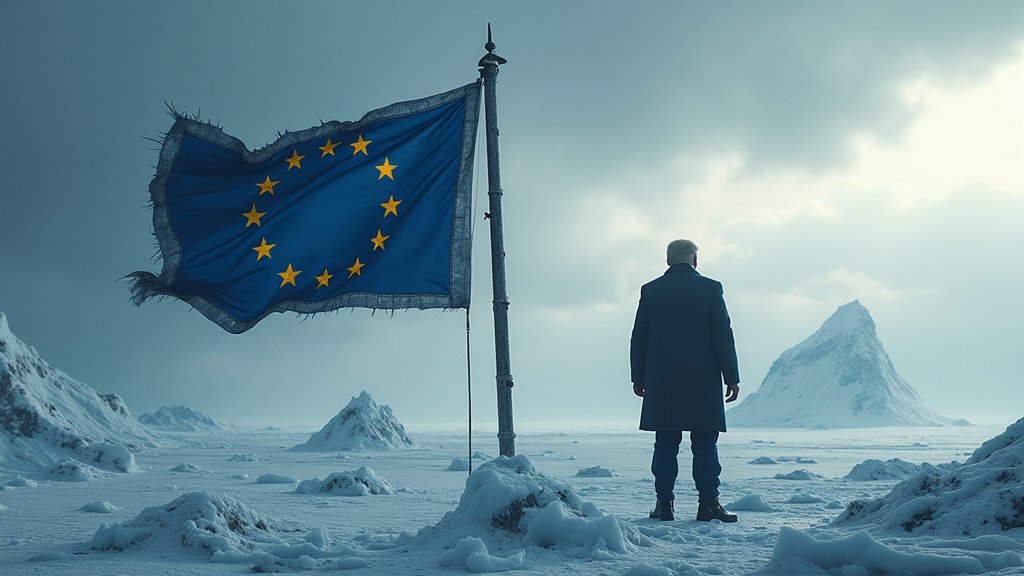
European leaders are pushing back, firmly resisting President Trump’s tariff threat that stems from his Greenland ambition. This situation has ignited a significant transatlantic dispute, with European officials expressing strong opposition and advocating for diplomatic resolutions. This recent news highlights a deepening rift, impacting trade and global alliances, and bringing the Greenland tariff threat into sharp focus.
Trump’s Arctic Ambition and the Greenland Tariff Threat
President Trump has renewed interest in acquiring the vast island of Greenland, a desire dating back to his first term. Trump cites strategic importance, pointing to its Arctic location as vital for US security and fearing Russian or Chinese influence. The island, a semi-autonomous territory of Denmark and the world’s largest island, hosts a US military base. As melting ice opens new Arctic shipping lanes, Greenland’s geopolitical value and natural resources increase, leading Trump to view it as a strategic asset he described as a “large real estate deal.” The Greenland tariff threat is a direct consequence of this ambition.
Greenland and Denmark Say ‘No’
Greenland’s government explicitly rejects any takeover, stating clearly that Greenland is “not for sale” and asserting their right to self-determination. Denmark also firmly rejects the idea, with Prime Minister Mette Frederiksen calling it “absurd” and Danish leaders emphasizing sovereignty. Historical ties bind Denmark and Greenland, and a significant majority of Greenlanders oppose a US takeover. This firm stance against the potential Greenland tariff threat is unwavering.
The Tariff Ultimatum: Escalating the Greenland Tariff Threat
Following these rejections, Trump issued a threat of new tariffs targeting eight European nations, including Denmark, Norway, Sweden, France, Germany, the UK, the Netherlands, and Finland. The initial tariff rate is 10%, set to take effect on February 1st, and increasing to 25% by June 1st. These tariffs are a direct response designed to pressure nations opposing the Greenland purchase, escalating the complex dispute and testing long-standing alliances in a clear demonstration of the Greenland tariff threat.
European Leaders Unite in Opposition to Trump Greenland Ambition
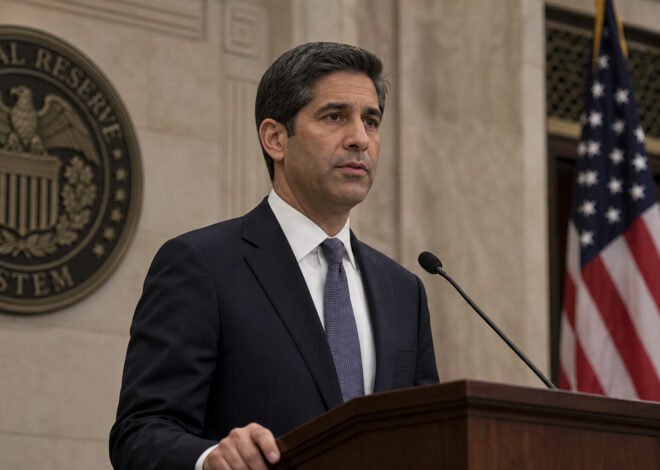
European leaders reacted strongly, condemning the tariff threat and labeling it “economic blackmail” and an “error,” warning of a “dangerous downward spiral” that threatens transatlantic relations and risks unraveling NATO. European Commission President Ursula von der Leyen stated the tariffs were a mistake, emphasizing that deals between friends must mean something and vowing an “unflinching, united and proportional” response. French President Emmanuel Macron called the threats “unacceptable” and warned against subordinating Europe. Denmark’s Foreign Minister expressed surprise and called for de-escalation, stating Europe would not be blackmailed. The UK Prime Minister deemed tariffs on allies wrong, while leaders from Germany and Sweden voiced solidarity and vowed a unified European stand, with Sweden calling Trump’s actions “illoyal” and Germany insisting they would not be blackmailed. This robust European response showcases their united front against the Greenland tariff threat.
EU Considers Countermeasures Against the Greenland Tariff Threat
The European Union is preparing a response, holding emergency crisis talks to discuss retaliatory measures. One tool is the EU’s “anti-coercion instrument,” often called the “big bazooka,” which allows the EU to impose sanctions against political bullying. The EU might revive earlier tariff plans targeting $93 billion in US goods. The threat of tariffs undermines recent trade deals, and the EU summit aims to coordinate action to defend their interests with a proportional response to the Greenland tariff threat. This situation presents a clear US-EU trade challenge.
Geopolitical Stakes and NATO’s Future Amidst the Greenland Tariff Threat
The dispute highlights Greenland’s strategic significance for US national security due to its Arctic position and potential natural resources. While the US fears Russian or Chinese presence and maintaining Arctic security is a shared concern, Trump’s approach challenges NATO. Some experts believe annexation could weaken the alliance. Despite existing defense agreements between the US, Denmark, and Greenland, and Europe offering enhanced NATO presence and investment deals, Trump insists on full ownership. This standoff puts the transatlantic alliance to a severe test, creating uncertainty for global trade, and the ongoing Greenland tariff threat continues to be a focal point.
An Unfolding Diplomatic Crisis and the Greenland Tariff Threat
President Trump remains steadfast, declaring “no going back” on his Greenland ambition. European leaders are seeking a diplomatic solution, stressing dialogue and international law. This conflict is unfolding rapidly, drawing global attention and becoming a topic at forums like the World Economic Forum in Davos. Leaders are navigating a complex situation, balancing alliances with national interests. The outcome remains uncertain, but Europe stands united, rejecting coercion and seeking to preserve stability in the face of the Greenland tariff threat. This developing story captures a crucial moment in international relations.


Related Posts