India Strike: Unions, Farmers Protest US Trade Deal Amid Farm Sector Fears
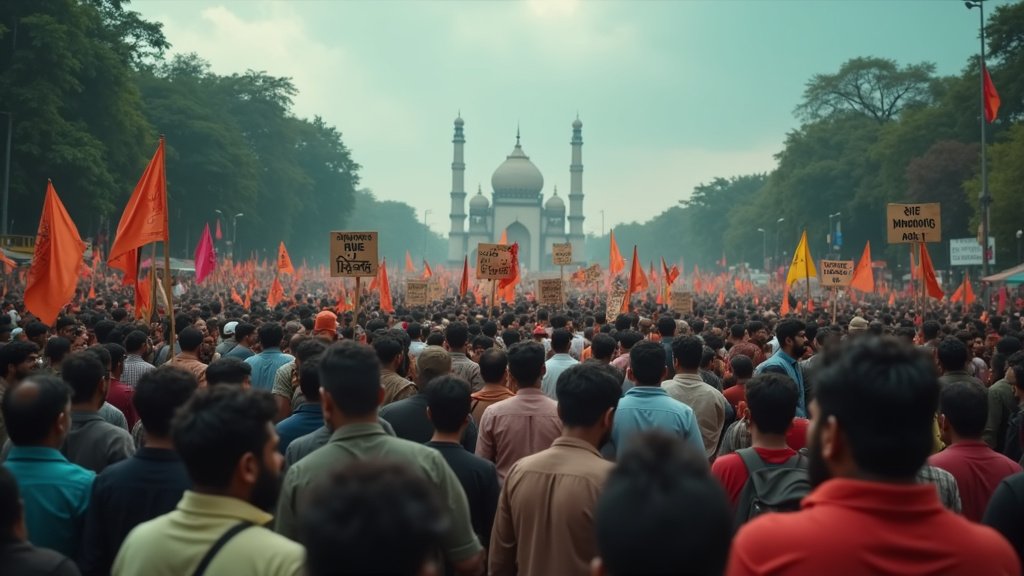
India witnessed a major nationwide strike on February 12, 2026. Major trade unions and farmer groups led this protest. They are deeply unhappy with a new interim trade deal. This deal is with the United States. Protesters argue the pact harms Indian interests. Farmers and small businesses feel threatened. Workers also voiced their concerns.
Farmers’ Fears Over Cheaper Imports
Farmer unions express serious worries. They say the deal opens India to US farm products. These are often heavily subsidized. This influx of cheaper goods could ruin India’s farm sector. It threatens the livelihoods of millions. Specific products like soybean oil and tree nuts are a concern. Red sorghum for animal feed is also mentioned. Protesters feel this is a “total surrender.” They fear American agribusinesses will dominate.
Key Players Unite in Protest
Several prominent groups joined the strike. The All India Trade Union Congress (AITUC) participated. The Samyukt Kisan Morcha (SKM) was a key organizer. Its non-political faction and the All India Kisan Sabha (AIKS) also joined. These groups have a history of strong farmer advocacy. They are now joined by major trade unions. Their collective action shows widespread discontent.
Details of the Interim Trade Framework
The interim trade deal framework was announced recently. It aims to lower tariffs. It seeks to deepen economic ties between the nations. The US agreed to reduce tariffs on Indian goods. These tariffs will now stand at 18%. This is down from previous higher rates. India will also cut duties on US industrial goods. It will reduce tariffs on many US food and agricultural products. This includes items like soybean oil and tree nuts.
Government Defends the Trade Pact
The Indian government defends the agreement. Trade Minister Piyush Goyal stated this. He claims the deal protects farmers’ interests. He says it boosts exports and investment. It also strengthens strategic ties with the US. The Ministry of External Affairs noted a joint statement from February 7 guides the pact. They mentioned revisions to a US factsheet reflected shared understanding.
Opposition Demands Government Scrap Deal
Opposition parties strongly criticized the deal. They demanded the government scrap it entirely. Parliament members chanted slogans against Prime Minister Narendra Modi. They called the deal a “total surrender.” They question the deal’s transparency. Critics feel it bypasses proper parliamentary debate. The Congress party seeks full details for the public.
Trade Deal’s Specific Terms and Revisions
The White House initially released a factsheet. This document caused controversy. It stated India “committed” to buying US goods. It also mentioned “certain pulses.” Indian officials raised objections. The factsheet was revised later. It now states India “intends to buy” US goods. The reference to “certain pulses” was removed. This reflects ongoing negotiations. It shows India safeguarding sensitive items. The agreement targets products like DDGS and red sorghum.
Wider Implications and Political Risks
The one-day strike caused disruptions. Public services and manufacturing saw impacts. This highlights resistance to Modi’s reforms. It underscores political risks. Key state elections are approaching. The government faces pressure. This news revives memories of past farmer protests. The agricultural sector remains a sensitive issue.
Future of the Trade Agreement
The interim agreement is a step. Both sides aim to finalize a full pact soon. Talks will continue on market access. The deal seeks balanced trade. However, farmer groups remain watchful. They fear long-term consequences. The government emphasizes strategic benefits. The public awaits further details. The situation remains a focus for political debate.


Related Posts