Iran Rebuts Trump: Strait of Hormuz Claims ‘Lies’
Tensions in West Asia have escalated as the Islamic Republic of Iran explicitly rejected assertions made by U.S. President-elect Donald Trump regarding American dominance over the Strait of Hormuz, labeling the rhetoric as “lies.” This diplomatic friction occurs simultaneously with denials from the Lebanese government regarding reports that a definitive deal had been reached concerning the verification of Hezbollah’s disarmament. As the region navigates a period of profound uncertainty, these conflicting narratives highlight the growing gap between incoming U.S. foreign policy rhetoric and the complex realities on the ground in the Middle East.
Key Highlights
- Maritime Sovereignty Dispute: Iranian officials have formally dismissed claims of U.S. control over the Strait of Hormuz, asserting that the maritime route remains under sovereign Iranian monitoring.
- Lebanese Denials: High-ranking Lebanese officials have refuted media reports suggesting a breakthrough or formalized agreement regarding the disarmament of Hezbollah.
- Economic Vulnerability: The Strait of Hormuz remains a critical energy chokepoint, with approximately 20% to 30% of global oil consumption passing through the waterway daily, heightening market sensitivity to these claims.
- Diplomatic Standoff: The discrepancy between public assertions by the U.S. administration and regional reactions underscores a deepening diplomatic divide in the lead-up to the U.S. presidential transition.
Geopolitical Flashpoints and the War of Narratives
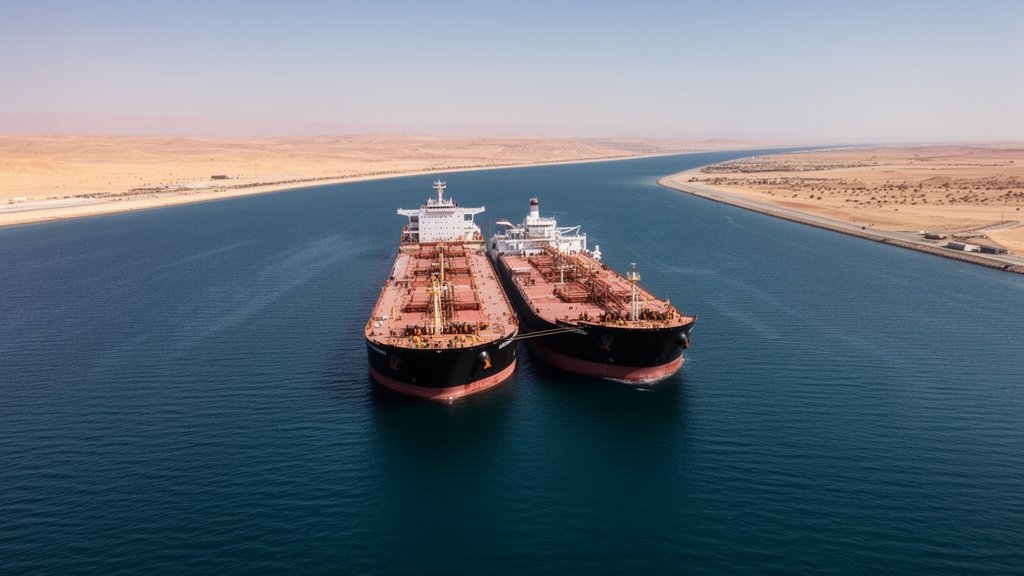
The Strait of Hormuz, a narrow waterway separating Iran from the Arabian Peninsula, serves as one of the world’s most significant energy chokepoints. For decades, control over this maritime lane has been a central tenet of regional security strategies and a constant source of friction between Tehran and Washington. When President-elect Trump recently suggested that the U.S. had achieved a level of dominance or control over these waters, it triggered an immediate and sharp rebuke from Iranian state spokespeople, who categorized the statements as demonstrably false, or “lies,” aimed at domestic consumption rather than reflecting tactical reality.
The Reality of Maritime Control
From a technical perspective, the concept of “controlling” the Strait of Hormuz is notoriously complex. The geography of the region, characterized by shallow waters and limited shipping channels, requires a delicate balance of naval presence and international maritime law. Iran maintains significant defensive capabilities along its coastline, including coastal missile batteries and a fast-attack naval fleet, which effectively allows them to challenge any assertion of unilateral control by external powers. Military analysts argue that while the U.S. maintains a robust presence through the Fifth Fleet, “control” in a practical, day-to-day operational sense is a dynamic, not static, condition.
Lebanon, Hezbollah, and the Verification Rumors
Parallel to the maritime tensions, the diplomatic climate in Beirut has reached a fever pitch. Reports circulating in international media claimed that a roadmap for the verification of Hezbollah’s disarmament had been finalized, potentially signaling a monumental shift in Lebanese politics. However, the Lebanese government, caught between internal demands for sovereignty and the geopolitical pressures of the regional conflict, has issued formal denials. These officials emphasize that any process regarding the status of Hezbollah is a matter of intense national negotiation, not a deal struck by external actors to be imposed upon the state.
Strategic Implications and Future Predictions
The interplay between these two incidents—the maritime dispute and the disarmament rumors—suggests a calculated strategy of information warfare. As the United States transitions to a new administration, both Tehran and Beirut are actively managing the narrative of their respective sovereign capabilities.
The Economic Risk Factor
Global energy markets are hypersensitive to news regarding the Strait of Hormuz. Even minor escalations in rhetoric can lead to fluctuations in crude oil pricing. If the incoming U.S. administration pursues a policy of “maximum pressure” or increased naval intervention, the cost of insurance for tankers navigating the Persian Gulf may rise, ultimately affecting the price of energy globally. Markets are currently pricing in a “wait-and-see” approach, but sustained conflict or contradictory public messaging could lead to increased volatility.
Diplomatic Isolation vs. Alignment
This incident highlights a growing disconnect. Iran’s rejection of the Trump narrative suggests that they are unlikely to yield to renewed U.S. pressure campaigns without significant diplomatic costs. Conversely, the Lebanese refusal to acknowledge disarmament deals suggests that local political actors are wary of being perceived as subordinates to Washington’s regional agenda. The coming months will likely see an intensification of these proxy communication battles, as nations attempt to define the terms of engagement before the new U.S. administration fully embeds its foreign policy team.
Historical Context: The Precedent of Tension
To understand the current impasse, one must look back at the historical framework of U.S.-Iran relations in the Gulf. Throughout the 1980s and in the post-2015 JCPOA era, the Strait of Hormuz has repeatedly served as the barometer for regional stability. Each time a U.S. administration changes, there is an inherent testing period—a time when both sides ramp up rhetoric to establish boundaries. Today’s “lies” narrative from Tehran is essentially a modern iteration of this established testing cycle, designed to project strength to both domestic and international audiences.
FAQ: People Also Ask
Q: Why is the Strait of Hormuz so critical to the global economy?
A: The Strait of Hormuz is the world’s most important oil chokepoint. Every day, roughly 20 to 30 percent of the world’s total oil consumption, including significant portions of Liquefied Natural Gas (LNG), passes through this narrow passage. Any obstruction or threat to passage has an immediate, direct impact on global energy prices.
Q: What is the significance of the Lebanese government denying the Hezbollah disarmament deal?
A: The denial underscores the delicate internal political balance in Lebanon. Hezbollah is a powerful political and military entity within the country; any agreement regarding their disarmament is legally and politically complex. By denying the deal, the Lebanese government is asserting its role as the primary negotiator and sovereign authority, attempting to prevent external dictates from destabilizing an already fragile domestic consensus.
Q: How does the U.S. Navy maintain presence in the Strait of Hormuz?
A: The U.S. Navy typically maintains a presence through the Fifth Fleet, based in Bahrain. This includes regular patrols, maritime security operations, and the escorting of commercial vessels. However, “presence” is distinct from “control.” The U.S. maintains the freedom of navigation in international waters, which is protected under maritime law, even when challenged by neighboring coastal states like Iran.
Q: Are these claims part of a larger diplomatic strategy?
A: Yes. Both the Iranian rhetoric regarding the Strait and the U.S. claims about control are part of a broader psychological and diplomatic engagement strategy. By framing the claims as “lies,” Tehran seeks to undermine the perceived authority of the incoming U.S. administration, signaling early on that they will not accept unilateral assertions of American power as reality.


Related Posts