BP Targets Venezuela Gas in Strategic Deal with Trump-Linked Partners
BP has officially signaled a major return to the Venezuelan energy sector, announcing a strategic investment aimed at developing critical offshore gas assets. This move, which includes partnerships with entities previously associated with the Trump administration’s energy advisors, represents a significant recalibration of international energy interests in the region. By leveraging shifting geopolitical tides, BP aims to unlock untapped reservoirs in the Caribbean, potentially reshaping the long-term energy landscape of South America while navigating a complex web of sanctions and international policy frameworks.
Key Highlights
- Strategic Investment: BP has finalized a framework to develop a high-potential offshore gas field in Venezuela, focusing on extraction technologies to overcome regional infrastructural challenges.
- Geopolitical Pivot: The partnership involves entities with established ties to Trump administration energy policy figures, signaling a unique approach to bypassing traditional diplomatic gridlock.
- Energy Security: This project aims to tap into one of the world’s largest gas reserves, positioning the venture as a potential cornerstone for regional energy security and export capabilities.
- Regulatory Complexity: The deal requires careful navigation of existing U.S. sanctions, with BP leveraging specific legal precedents to ensure compliance while advancing extraction goals.
Unlocking the Dragon: BP’s High-Stakes Venezuela Venture
The announcement by BP to aggressively pursue offshore gas development in Venezuelan waters is not merely an operational decision; it is a calculated bet on the evolution of global energy geopolitics. As the world transitions toward cleaner burning fossil fuels, natural gas has emerged as a critical “bridge fuel.” Venezuela, often overlooked due to years of political instability and stringent sanctions, sits atop immense reserves that are now back in the crosshairs of global energy giants.
The Intersection of Energy and Politics
What sets this specific venture apart from previous attempts by Western firms to operate in the region is the deliberate collaboration with entities connected to the Trump administration. This “shadow diplomacy” strategy relies on partners who possess deep experience navigating the specific regulatory frameworks and political alignments favored by former U.S. policymakers. This alignment suggests that BP is positioning itself to be a primary beneficiary of any potential easing of energy sanctions, betting that future U.S. policy will continue to prioritize energy security and supply chain diversification.
By aligning with these specific entities, BP is effectively creating a buffer, leveraging private sector influence to maintain continuity in its operations regardless of the volatility in federal policy transitions. This strategy has been observed in previous high-stakes energy deals, where private firms act as the tip of the spear, de-risking investments before major institutional capital follows.
Technological and Logistical Hurdles
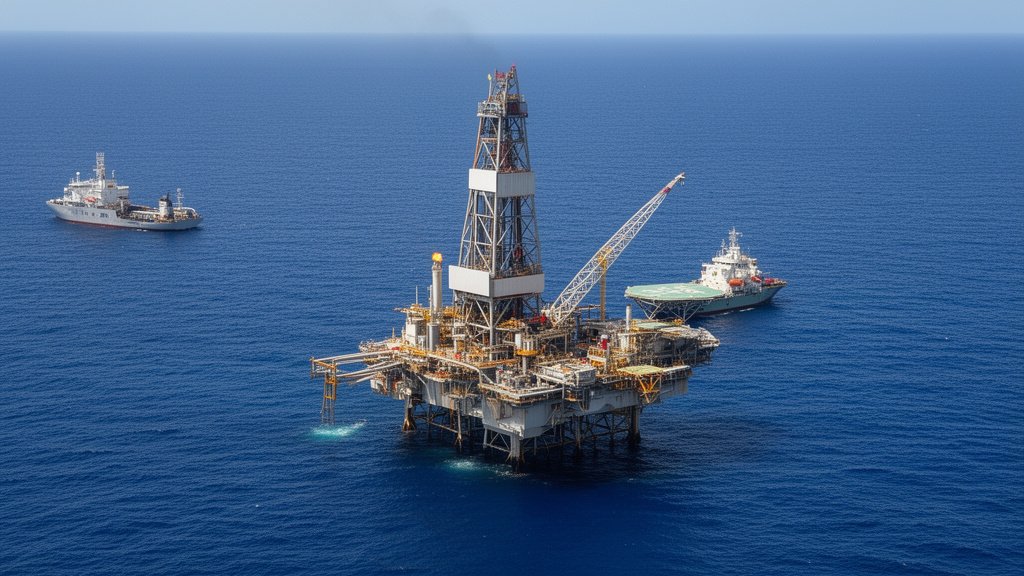
Operating offshore in the Caribbean poses significant engineering challenges. The gas fields identified for development are situated in challenging maritime environments, requiring advanced subsea infrastructure and liquefaction capabilities. BP is reportedly bringing its global expertise in deepwater drilling to the table, planning to deploy proprietary technology to maximize recovery rates.
However, the project is not without its risks. The Venezuelan power grid remains fragile, and transport infrastructure for natural gas requires significant investment. BP’s plan involves a phased approach: first, establishing secure extraction points; second, integrating with existing Venezuelan pipeline infrastructure; and third, scaling toward export-grade production. This logistical roadmap is designed to isolate the project from the broader inefficiencies of the nationalized energy sector, allowing BP a degree of operational autonomy.
The Shift in Regional Energy Dynamics
For decades, Venezuela’s energy strategy has been dominated by its heavy crude oil production. The focus on gas is a paradigm shift. Unlike oil, which is heavily subject to global price volatility and refinery constraints, natural gas offers a more stable long-term revenue stream, particularly if the region can establish a direct export pipeline to neighboring Brazil, Colombia, or even transatlantic markets.
This investment signals that major players like BP no longer view Venezuela solely as a pariah state but as a strategic asset in the global “Great Power Competition” over energy resources. The implication is clear: the energy security imperative is overriding, and companies are finding creative, politically-aware pathways to engage with assets that were previously considered untouchable.
Compliance and the Sanctions Web
The most immediate obstacle for the venture remains the U.S. Office of Foreign Assets Control (OFAC) and the complex legal architecture surrounding Venezuela. BP is banking on the argument that gas production serves a humanitarian and economic development purpose, a precedent partially established by the licenses granted to other major energy players in recent years. By structuring the deal with partners who understand the nuances of the sanctions regime, BP is aiming to secure a ‘green lane’ for its operations, ensuring that the necessary equipment, technology, and capital can flow in without triggering federal enforcement actions.
FAQ: People Also Ask
How does this deal comply with U.S. sanctions on Venezuela?
The venture relies on specific legal interpretations and potential licensing precedents that differentiate natural gas extraction from the broader, more restricted oil sector. BP is leveraging existing frameworks that favor regional energy development.
Why are Trump-linked entities involved in this deal?
These entities bring institutional knowledge of the previous administration’s energy-first policies, helping BP navigate potential shifts in U.S. policy and providing a layer of continuity and strategic alignment for future regulatory environments.
What are the main risks for BP in this venture?
The primary risks are geopolitical volatility, potential changes in U.S. sanctions policy, and the significant infrastructural degradation within Venezuela that could delay production and inflate project costs.
What does this mean for the global energy market?
If successful, this project could open the door to significant new gas supplies, potentially stabilizing prices in the region and offering a long-term alternative to existing energy supply chains in the Western Hemisphere.


Related Posts