US Captures Maduro: Legal Questions Linger After Bold Venezuela Intervention
U.S. Forces Capture Venezuelan President Maduro in Bold Operation
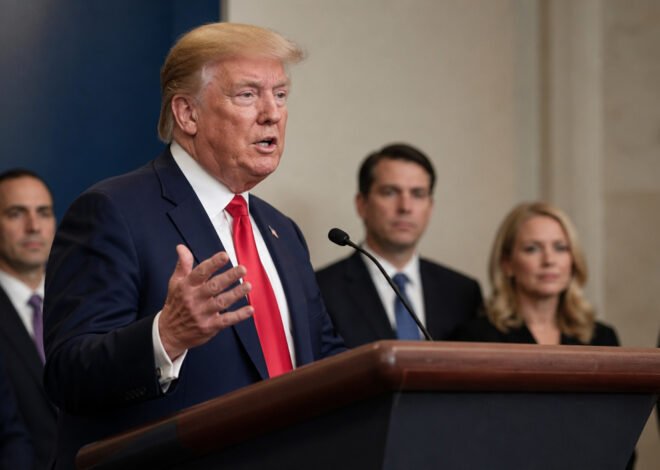
The U.S. forces capture of Venezuelan President Nicolás Maduro marks a pivotal moment. This stunning event, the Maduro capture, occurred on January 3, 2026. Maduro and his wife, Cilia Flores, were taken into U.S. custody. They were then flown to New York. There, they face serious criminal charges. President Donald Trump announced the capture. He stated the U.S. would manage Venezuela. The nation’s vast oil reserves would be utilized. This marked a significant U.S. intervention. It aimed for regime change in Venezuela. However, uncertainty and legal questions remain regarding the Maduro capture.
Background to the Maduro Capture
Maduro faced U.S. federal indictments. These charges were unsealed in March 2020. The Department of Justice accused Maduro and others. Charges included narcotics trafficking and narco-terrorism allegations. The indictment stated Maduro’s government worked with armed groups. Their goal was cocaine trafficking into the U.S. This indictment provided a domestic basis for arrest, making the Maduro capture actionable once he was in U.S. custody. The capture happened after months of escalating U.S. pressure. This included military buildup and strikes on drug-carrying boats. The U.S. military conducted a “large-scale strike.” This operation occurred in Venezuela, targeting military installations.
The Operation Details of Maduro Capture
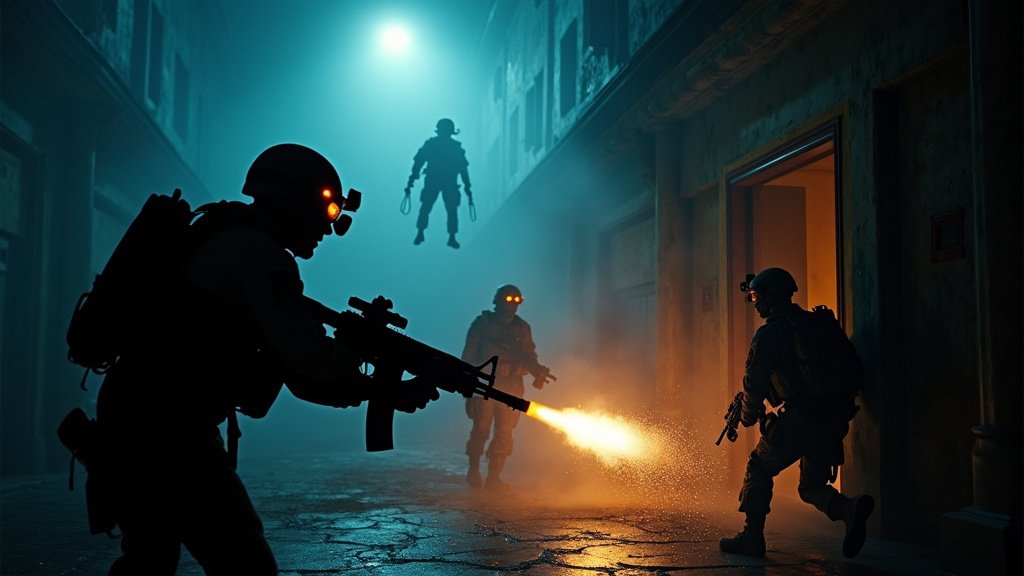
President Trump detailed the operation. He described it as audacious. Special forces seized Maduro and his wife. They were taken from their home. It was located on a military base. This occurred during the early morning hours. U.S. forces used “massive blowtorches.” They were prepared for steel walls. Maduro was in a presidential palace. Trump called it “like a fortress.” However, Maduro did not reach a safe room. U.S. forces practiced on a replica building. This ensured operational readiness for the Maduro capture. The operation happened in darkness. Trump said the U.S. turned off “almost all of the lights.” This aided the stealth mission. The attack lasted less than 30 minutes. At least seven explosions were heard.
Nicolás Maduro Charges
Maduro faces multiple charges. These include narco-terrorism conspiracy and cocaine importation conspiracy. Additional charges involve possession of machine guns. He faces conspiracy to possess destructive devices. These Nicolás Maduro charges mirror an earlier 2020 indictment. The new indictment added charges against his wife. It alleges Maduro ran a “corrupt, illegitimate government.” This government allegedly fueled a drug-trafficking operation. Thousands of tons of cocaine flooded the U.S. The indictment stated this corruption lined pockets. It benefited narco-terrorists operating in Venezuela. These groups helped produce and transport cocaine. Maduro and his wife allegedly worked together. They facilitated cocaine trafficking. They are accused of ordering violence. This included kidnappings and murders. These actions targeted those owing them money. They also targeted those undermining their operation.
International Reaction and Legal Scrutiny
The Maduro capture sparked global reactions. Many condemned the U.S. action. France’s foreign minister called it a violation. It contravened international law principles. Spain’s prime minister echoed these concerns. He stated the intervention violated international law. Russia and China also condemned the U.S. China cited “hegemonic behavior.” They warned it threatened peace and security. The UN Secretary-General expressed deep concern. He emphasized respect for international law. He noted the action set a “dangerous precedent.”
Legal experts widely questioned the operation’s legality. Many cited violations of the UN Charter. Article 2(4) prohibits military force against other states. It requires respect for sovereignty. Some U.S. lawmakers also raised concerns. They questioned the lack of congressional approval. The operation occurred without a UN Security Council mandate. U.S. courts apply the Ker-Frisbie doctrine. This doctrine allows trials, regardless of how a suspect arrived, even if abduction violated international law. However, the forcible seizure of a sitting head of state, as seen in the Maduro capture, is controversial. Many experts called it a “crime of aggression.” It was described as an “illegal and illegitimate kidnapping.”
Venezuela’s Response and Internal Politics
Venezuela’s government strongly denounced the capture. Vice President Delcy Rodríguez was prominent. She called Maduro the “only president of Venezuela.” She demanded his immediate release. Rodríguez condemned the U.S. action, labeling it “barbaric” and an “illegal kidnapping.” She asserted Venezuela would never be a colony. President Trump claimed Rodríguez was sworn in. He said she would work with the U.S. Trump believed she was “willing to do what we think is necessary.” However, Rodríguez’s statements contradicted this. She affirmed Maduro’s sole presidency. She called for national unity. She urged people to defend sovereignty. Venezuela’s Supreme Court directed Rodríguez to assume presidential duties amid Maduro’s absence.
U.S. Plans for Venezuela
President Trump announced ambitious plans. He stated the U.S. would “run” Venezuela. This would be temporary, continuing until a proper transition occurred. Trump also vowed to tap Venezuela’s oil reserves. He planned to fix its infrastructure. He intended to sell large amounts of oil. U.S. energy companies would play a key role. Trump accused the socialist regime of seizing American assets. He claimed it dismantled an industry built with U.S. investment. He stated, “We built Venezuela’s oil industry.” He vowed U.S. companies would rebuild it. Venezuela holds the world’s largest proven oil reserves. Production has been limited by instability. The U.S. aims to revive this sector.
Ongoing Uncertainty and Future Implications
The Maduro capture leaves many questions. The legality of the operation is widely debated. International law experts remain divided. U.S. domestic law might permit the trial. However, international norms appear violated. Venezuela’s political future is uncertain. Vice President Rodríguez leads the government. Her legitimacy is challenged by the U.S. The impact on regional stability is significant. The U.S. assertion of control raises concerns about national sovereignty and international relations. The long-term consequences of this intervention are unclear. The featured news of this dramatic event continues to unfold. This recent development is a major geopolitical story.


Related Posts