Middle East on Edge: Iran and Israel Exchange Strikes
The Middle East is on high alert following a series of retaliatory strikes between Iran and Israel, raising fears of a wider regional conflict. The escalating tensions follow an apparent Israeli strike on Iran, which itself was a response to Iran’s unprecedented drone and missile attack on Israel.
Key Highlights:
- Iran and Israel have engaged in direct military exchanges, significantly increasing regional instability.
- The strikes raise concerns about a broader escalation involving regional powers and potentially drawing in global actors.
- International calls for de-escalation are intensifying amidst fears of a full-scale war.
- The attacks have impacted global oil prices and stock markets, reflecting economic anxieties.
Escalating Tensions: A Cycle of Retaliation
The fragile peace in the Middle East has been severely tested as Iran and Israel engaged in a direct exchange of attacks, marking a dangerous new phase in their long-standing shadow war. The situation rapidly deteriorated following Iran’s expansive drone and missile barrage targeting Israel, an operation Tehran stated was in response to an earlier suspected Israeli strike on an Iranian diplomatic compound in Damascus. Israel, in turn, launched a retaliatory strike targeting sites within Iran, leading to a volatile and unpredictable scenario.
The Damascus Incident and Iran’s Response
The initial catalyst for Iran’s direct military action was the alleged Israeli airstrike on April 1st that destroyed the Iranian consulate in Damascus, Syria. Among those killed were several high-ranking Iranian military officials, including Brigadier General Mohammad Reza Zahedi, a senior commander in the Quds Force of the Islamic Revolutionary Guard Corps (IRGC). Iran viewed this as a direct attack on its sovereign territory and vowed retaliation. On April 13th, Iran launched an unprecedented series of over 300 drones and missiles towards Israel. While most were intercepted by Israel and its allies, the sheer scale of the attack signaled a significant shift in operational dynamics.
Israel’s Counter-Strike and Global Concerns
In response to Iran’s direct aerial assault, Israel launched a limited strike on targets within Iran, reportedly near the city of Isfahan, on April 19th. Iranian state media reported that air defense systems were activated and that several drones were intercepted, downplaying the impact. However, the exchange of direct fire between the two nations has drawn widespread international condemnation and amplified fears of a wider regional conflagration. The United Nations Security Council held an emergency session, with many member states urging maximum restraint and adherence to international law. The United States, while reaffirming its commitment to Israel’s security, has emphasized its opposition to any Israeli counter-offensive that could escalate tensions further.
Regional Ramifications and Economic Impact
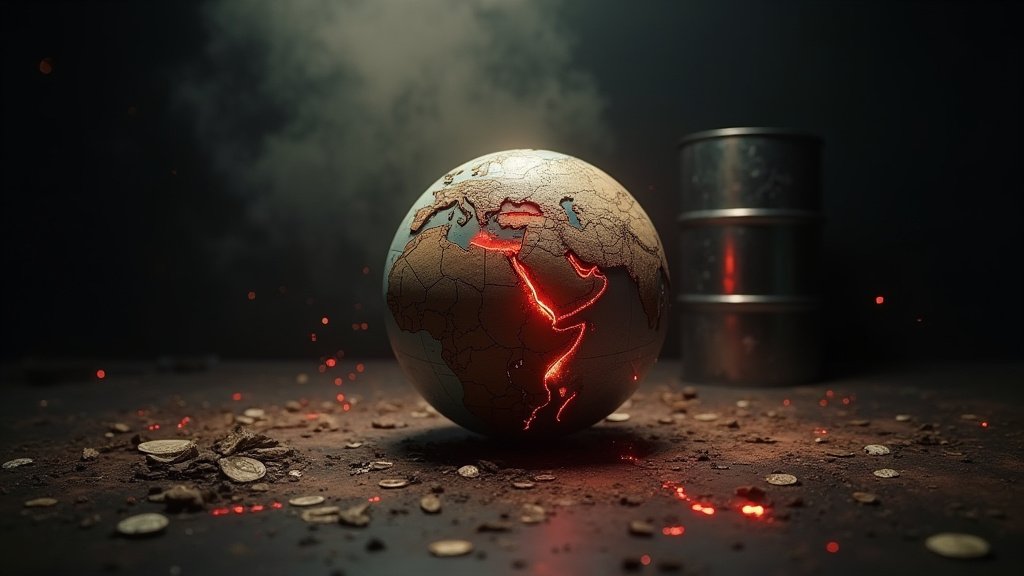
The ongoing hostilities have sent shockwaves across the Middle East, with neighboring countries on high alert. The potential for the conflict to spill over and draw in other regional actors, such as Hezbollah in Lebanon or Houthi rebels in Yemen, remains a significant concern. These groups have been engaged in proxy actions against Israel and its allies, and any direct involvement could further destabilize the region. Economically, the increased tensions have already had an impact. Global oil prices saw an initial surge on fears of supply disruptions, although they later stabilized as the immediate impact appeared contained. Stock markets in the region and globally also experienced volatility, reflecting the heightened uncertainty.
Historical Context and Future Outlook
The conflict between Iran and Israel is not new, characterized for decades by a shadow war involving cyberattacks, alleged assassinations, and proxy engagements. However, this marks the first time either side has launched direct, large-scale military assaults on the other’s territory. This direct confrontation raises serious questions about the future trajectory of their animosity and the broader security landscape of the Middle East. Analysts are closely watching for any further retaliatory moves, as well as the diplomatic efforts underway to prevent a full-blown war. The coming days and weeks will be critical in determining whether the region can step back from the brink.
FAQ: People Also Ask
What triggered the recent strikes between Iran and Israel?
The recent strikes were triggered by Iran’s unprecedented drone and missile attack on Israel on April 13th, which Tehran stated was a response to an earlier suspected Israeli strike on its consulate in Damascus, Syria, on April 1st. Israel subsequently launched a retaliatory strike targeting sites within Iran.
Is there a risk of a wider war in the Middle East?
Yes, there is a significant risk of a wider war. The direct exchange of fire between Iran and Israel has escalated tensions considerably, and there are concerns that other regional actors, such as Hezbollah, could become more directly involved, potentially drawing in global powers.
What was the immediate impact of the strikes on global markets?
Initially, the strikes caused a surge in global oil prices due to fears of supply disruptions in the Middle East. Stock markets also experienced volatility. However, prices and markets later stabilized somewhat as the immediate escalation appeared to be contained.
What is the historical relationship between Iran and Israel?
Iran and Israel have been adversaries for decades, engaging primarily in a shadow war involving proxy conflicts, cyber operations, and alleged covert actions. However, the recent events mark the first direct military assaults launched by each nation against the other’s territory.
What is the international community’s response to the escalation?
The international community has largely condemned the escalation and called for maximum restraint from both sides. The United Nations Security Council has held emergency meetings, and numerous countries, including the United States, have urged de-escalation to prevent a broader conflict.


Related Posts