Nepal Flood Crisis: Death Toll Surpasses 650
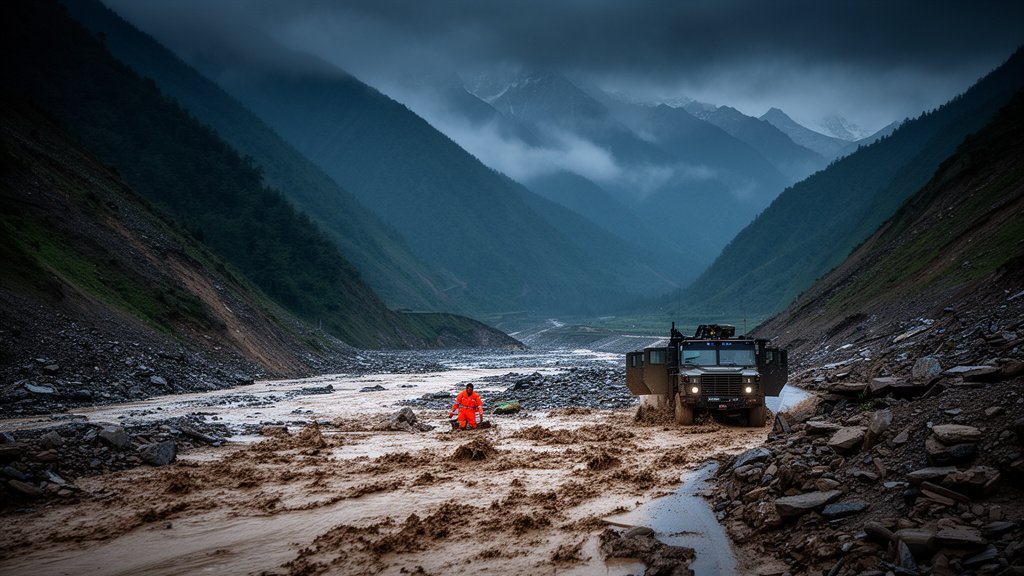
The death toll from severe flash floods in Nepal has risen significantly, surpassing 650 confirmed fatalities as emergency rescue operations continue across multiple districts. This unprecedented natural disaster, fueled by erratic and intense monsoon patterns, has left swaths of the Himalayan nation submerged, causing catastrophic damage to critical infrastructure, housing, and agriculture. As of today, the National Disaster Risk Reduction and Management Authority (NDRRMA) reports that search and rescue teams are working around the clock to navigate the treacherous, mud-choked terrain in a desperate effort to locate missing persons, though expectations for finding survivors are diminishing daily.
Key Highlights
- Human Toll: Confirmed fatalities have surged beyond 650, making this one of the deadliest weather events in recent Nepalese history.
- Geographic Impact: The Kathmandu Valley and surrounding rural mountainous districts remain the hardest hit, with the Bagmati River overflowing its banks to historic levels.
- Emergency Response: The Nepal Army and local police have deployed thousands of personnel for specialized rescue missions, often hampered by landslides blocking arterial mountain roads.
- Economic Disruption: Major transport corridors, including the primary highways linking the capital to the rest of the country, remain severed, causing significant disruptions to the supply chain and food security.
The Anatomy of a Climate Catastrophe
The current crisis in Nepal is not merely a consequence of the annual monsoon; it is a manifestation of shifting global weather patterns that have made rainfall intensity increasingly unpredictable. Meteorologists monitoring the region note that the sheer volume of precipitation over a condensed 48-hour period overwhelmed traditional drainage systems and saturated the soil to the point of catastrophic failure. This resulted in widespread landslides—often termed the ‘silent killers’ of Himalayan topography—which swept away entire settlements.
Meteorological Volatility
While the monsoon is a predictable seasonal phenomenon, the intensity of this year’s storms has broken historical records. The atmospheric pressure systems stalled over the region, effectively dumping a month’s worth of rain within a few days. This ‘cloudburst’ phenomenon transformed gentle mountain streams into violent torrents within minutes, giving residents almost zero lead time to evacuate. The NDRRMA has cited this rapid onset as a primary factor in the high fatality count, as early warning systems, while present, were outpaced by the sheer velocity of the floodwaters.
Infrastructure and Logistics Failures
Nepal’s complex geography, defined by steep mountain ranges and narrow valleys, has exacerbated the rescue efforts. With bridges washed away and critical highway segments buried under debris, the reach of relief agencies has been physically restricted. The Nepal Army has had to rely heavily on helicopter-based extraction, a method that is both limited by volatile weather conditions and insufficient for the scale of the population requiring aid. This logistical bottleneck has left remote villages in the upper altitudes in complete isolation, with limited access to clean water, medical supplies, or dry rations. The destruction of local hydroelectric plants has also plunged affected regions into darkness, further hindering nocturnal search operations.
The Socio-Economic Ripple Effect
Beyond the immediate loss of life, the economic impact is projected to be staggering. The floods have decimated high-value agricultural land during a critical harvest window, threatening the food security of thousands of households. Furthermore, the loss of livestock and small-scale business premises will push many families below the poverty line. Economists are already warning that the rebuilding effort will require billions of rupees in investment, straining the national budget and potentially delaying other development projects. The government’s challenge now is balancing immediate humanitarian relief with the long-term need for reconstruction that prioritizes climate-resilient engineering.
Path Toward Resilience and Future-Proofing
The recurring nature of these events forces a critical conversation regarding Nepal’s urban and rural planning. Modernization of the country’s disaster management protocols is essential. This includes the implementation of advanced satellite-based monitoring systems that can provide more precise, localized alerts, as well as the enforcement of stricter building codes in high-risk riverine areas. There is an urgent call for international climate financing to help the nation build back better—moving away from traditional temporary fixes toward infrastructure that can withstand the new, harsher reality of a warming climate. As the nation mourns the 650-plus lives lost, the focus must shift from survival to the creation of a robust, adaptive framework that can endure the climatic challenges of the coming decade.
FAQ: People Also Ask
Q: What are the primary causes of the recent flash floods in Nepal?
A: The floods were primarily triggered by extreme, intense monsoon rainfall that occurred over a short, concentrated duration, which overwhelmed existing drainage and river systems, leading to rapid flooding and widespread landslides.
Q: How is the government responding to the 650+ fatalities?
A: The Nepal government, led by the NDRRMA, has mobilized the Nepal Army and local law enforcement for large-scale search and rescue, while simultaneously establishing temporary shelters and distributing emergency relief aid, such as food and medicine, to displaced populations.
Q: How can international donors assist in the recovery process?
A: International assistance is currently being directed through recognized humanitarian agencies, including the UN and Red Cross, which are facilitating the delivery of clean water, sanitation supplies, and funding for infrastructure reconstruction in hard-hit mountainous regions.
Q: Are these floods related to climate change?
A: Yes, climate scientists largely attribute the increased intensity and unpredictability of monsoon events in the Himalayas to global climate shifts, which are causing higher temperatures and more volatile atmospheric conditions over South Asia.


Related Posts