US Navy Intercepts Tanker in New Escalation
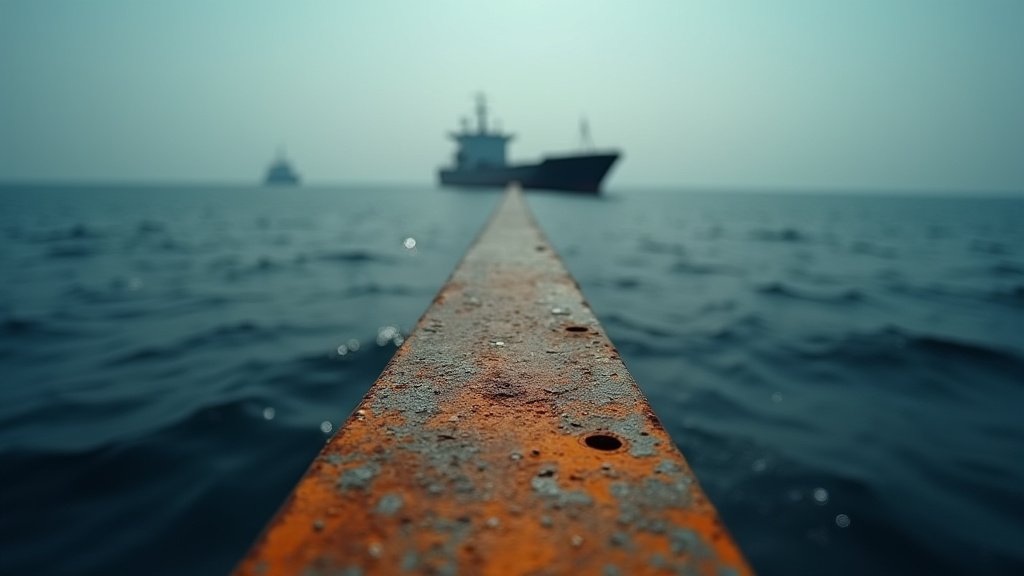
U.S. military forces executed a tactical boarding of the sanctioned ‘stateless’ oil tanker M/T Majestic X in the Indian Ocean early Thursday, representing a major intensification of global maritime enforcement efforts. The operation, confirmed by the Pentagon, comes amid a rapidly deteriorating security environment as the U.S. and Iranian forces engage in a reciprocal cycle of commercial vessel seizures, threatening to disrupt critical global energy supply chains far beyond the immediate proximity of the Middle East.
Key Highlights
- Tactical Boarding: U.S. forces successfully boarded the M/T Majestic X in international waters, with footage confirming a vertical insertion via helicopter.
- Tit-for-Tat Escalation: This latest interdiction follows the Iranian seizure of two commercial ships in the Strait of Hormuz, underscoring a deepening, synchronized conflict across the maritime domain.
- Global Enforcement: The Pentagon reaffirmed its mandate to disrupt illicit networks and sanctioned ‘shadow fleet’ vessels that provide material support to the Iranian regime, regardless of their location.
- Stateless Vessel Status: The M/T Majestic X is officially designated as ‘stateless,’ a common tactic employed by tankers to circumvent maritime regulations and international sanctions.
The Maritime Chessboard: Escalation in the Indian Ocean
The boarding of the M/T Majestic X is not an isolated event but a precise tactical move within a broader geopolitical confrontation. As the U.S. military expands its maritime interdiction operations into the Indian Ocean—a region historically acting as a buffer zone—the ‘war on shipping’ has moved beyond the choke points of the Strait of Hormuz and the Gulf of Oman. This shift signifies that international waters are increasingly becoming a contested space where sanctioned vessels are no longer shielded by distance.
The Mechanics of Interdiction
The operation, characterized by the Pentagon as a ‘right-of-visit’ maritime interdiction, highlights the sophisticated capabilities of modern naval task forces. By utilizing vertical insertion techniques—where troops rapidly descend from helicopters onto the deck—U.S. forces can seize control of a vessel without the need for complex, time-consuming maneuvers that might allow a crew to scuttle evidence or divert the ship. This is a surgical application of power, designed to project influence without necessarily engaging in open kinetic combat with a state navy. The use of ‘stateless’ designations is a critical legal lever; by identifying these vessels as lacking clear flag-state authority, the U.S. maintains the legal high ground to conduct boardings under international maritime enforcement conventions.
The ‘Shadow Fleet’ Strategy
At the core of these conflicts lies the so-called ‘shadow fleet’—a clandestine network of aging, often poorly maintained tankers that operate without traditional insurance, recognizable flag-state registration, or transparent tracking data. These vessels are the lifeblood of sanctioned economies, carrying oil and other materials from isolated regimes to willing buyers in global markets. The U.S. strategy of interdiction is essentially an economic blockade, aiming to increase the risk premium for any entity attempting to do business with sanctioned regimes. If a tanker’s cargo is seized or its vessel detained, the resulting insurance hikes and financial losses deter other ‘shadow’ operators from engaging in similar illicit activity.
Geopolitical Ripple Effects
The decision to intercept the M/T Majestic X in the Indian Ocean—thousands of miles from the immediate combat zone of the Middle East—demonstrates a commitment to global enforcement that risks destabilizing regional shipping lanes. Major shipping conglomerates and insurers are now re-evaluating the risk profile of transiting the Indian Ocean, which has long been considered a relatively safe corridor. If the U.S. continues to pursue these targets globally, and Iran responds with reciprocal seizures in the Strait of Hormuz, the cumulative effect could lead to a ‘chilling effect’ on commercial shipping, driving up the cost of oil and consumer goods globally.
The Future of Maritime Security
Looking ahead, the deployment of naval assets to ‘police’ the high seas marks a pivot toward a more aggressive, active-duty naval presence. For global commerce, this means the traditional protection provided by international maritime law is being strained by the ‘gray zone’ warfare currently being waged by nation-states. Navies are no longer just protecting freedom of navigation; they are actively shaping global trade flows through selective, politically-driven interdictions. The long-term consequence may be a bifurcated global shipping market: one track adhering to Western-backed enforcement standards and another operating via a clandestine, risk-prone ‘shadow’ channel.
FAQ: People Also Ask
1. Why are these tankers being called ‘stateless’?
‘Stateless’ refers to vessels that do not fly the flag of any country or carry falsified documentation. This makes them difficult to regulate under traditional international maritime law, allowing the U.S. to assert ‘right-of-visit’ authority to inspect them for sanctions violations.
2. Is this boarding legally compliant with international law?
the U.S. asserts these actions are compliant under international maritime conventions, specifically citing the right of visit for suspected vessels in international waters. However, such interpretations are frequently contested by the nations whose interests are affected, particularly Iran, which views these boardings as acts of state-sponsored piracy.
3. How does this impact the global oil price?
While individual seizures like the M/T Majestic X do not immediately crash global markets, the ongoing ‘tit-for-tat’ cycle creates uncertainty. Increased maritime insecurity often leads to higher ‘war risk’ insurance premiums for all commercial vessels in the region, which inevitably cascades into higher shipping costs and, ultimately, higher energy prices for consumers.
4. Will the U.S. continue to board these vessels in the future?
The Pentagon has explicitly stated that it will continue global maritime enforcement efforts to disrupt illicit networks. As long as sanctioned regimes rely on these shadow fleets to export commodities, and the U.S. remains committed to the current blockade strategy, such interceptions are likely to remain a frequent occurrence.


Related Posts