
Global Climate Crisis Escalates to Public Health Emergency: Extreme Heat Claims Thousands in Europe, Disease Spread Widens
The **Climate Health Emergency** is unfolding with profound consequences globally, representing the most significant public health threat of our time. Extreme heat is claiming an unprecedented number of lives in Europe, while other climate-related disasters like floods are displacing millions and contaminating vital water supplies. This escalating **Climate Health Emergency** also facilitates the spread of diseases into new regions, posing a growing threat to global well-being and underscoring the severity of the **Climate Health Emergency**.
Europe’s Extreme Heat Deaths: A Grim Reality of the Climate Health Emergency
Recent data reveals that extreme heat events are responsible for more deaths in Europe than any other natural disaster, highlighting a critical aspect of the **Climate Health Emergency**. In 2023 alone, nearly 48,000 people died due to extreme heat across the continent, with the majority of these fatalities occurring during the hottest months and disproportionately affecting Southern European countries. A recent analysis indicates that human-induced global warming is directly responsible for a significant portion of these heat-related deaths, with studies suggesting that climate breakdown made cities up to 2.2°C hotter during recent heatwaves, leading to thousands of excess deaths. The elderly and women are identified as particularly vulnerable groups. Projections show that without substantial adaptation and mitigation measures, this mortality burden is set to increase significantly as heatwaves become more frequent, longer, and more intense, intensifying the **Climate Health Emergency**.
A Spectrum of Climate-Driven Health Threats Fueling the Climate Health Emergency
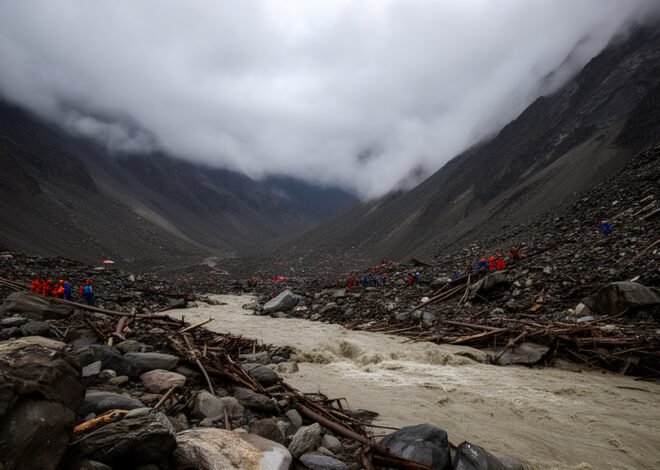
Beyond extreme heat, the climate crisis is exacerbating a range of other health emergencies, contributing significantly to the overall **Climate Health Emergency**. Floods, particularly in Asia, are displacing vast numbers of people, leading to contaminated water supplies and creating breeding grounds for vector-borne diseases. Stagnant floodwaters become breeding grounds for mosquitoes and bacteria, triggering surges in illnesses like malaria, dengue, cholera, and diarrhea, further complicating the **Climate Health Emergency**. Water contamination from floods can lead to gastrointestinal illnesses and the spread of pathogens, especially in areas with compromised sanitation and limited access to safe drinking water, exacerbating the **Climate Health Emergency**.
Shifting Disease Landscapes in the Face of Climate Change
The changing climate is also altering the geographical distribution of infectious diseases, a direct consequence of the **Climate Health Emergency**. Mosquito-borne illnesses such as West Nile Fever, Chikungunya, Dengue, and Zika, once primarily confined to tropical regions, are now appearing in southern Europe and the United States. Similarly, tick-borne diseases like Lyme disease and tick-borne encephalitis are expanding their range. These shifts are driven by changing temperature and rainfall patterns that affect the replication rates and dissemination of pathogens and their vectors, a clear indicator of the **Climate Health Emergency**. The World Health Organization (WHO) has identified climate change as the “single biggest health threat facing humanity”.
Global Impact and International Response to the Climate Health Emergency
The health impacts of climate change are disproportionately felt by vulnerable populations, including those in low-income communities, developing countries, and small island states. These regions often have weaker health infrastructure and fewer resources to cope with the escalating threats of the **Climate Health Emergency**. In response, international efforts are intensifying. Discussions at COP30 in Belém, Brazil, are focusing on integrating health security with climate security, translating the Paris Agreement into tangible actions. The Belém Health Action Plan, launched at COP30, aims to build climate-resilient health systems, mobilize finance, and ensure equity in climate action. The WHO and other organizations are calling for urgent, collaborative action to protect health systems, which themselves are increasingly at risk from climate-related shutdowns, demonstrating the pervasive nature of the **Climate Health Emergency**.
The global climate crisis is no longer a distant environmental concern but a present and escalating public health emergency, signifying the critical **Climate Health Emergency**. The interconnectedness of climate, health, and security demands immediate and comprehensive action on a global scale to safeguard human well-being from the dire consequences of this **Climate Health Emergency**.


Related Posts