
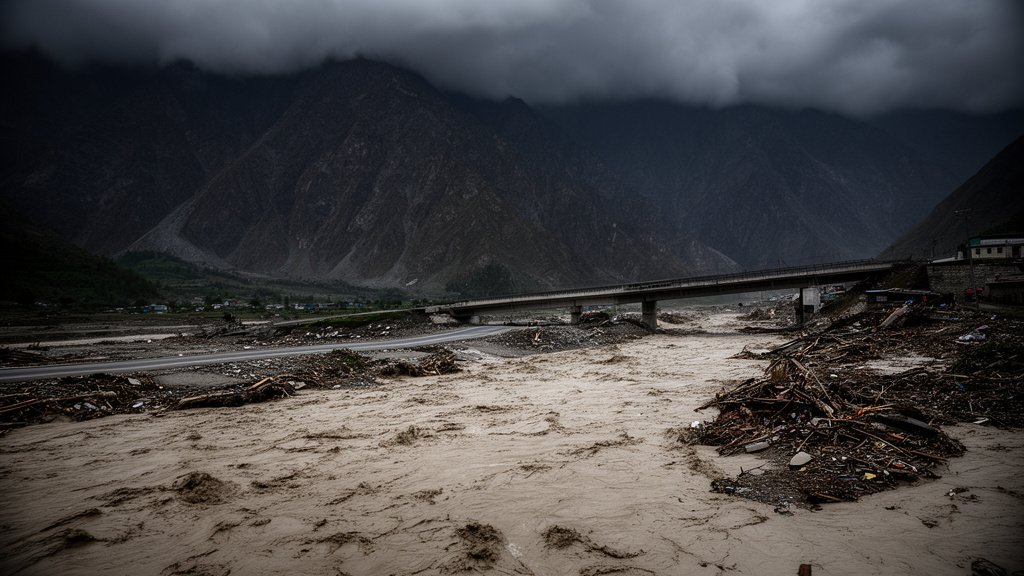
Disaster In The Himalayas: 98 Dead In Flash Floods
The devastating surge of flash floods across Nepal and parts of China has claimed the lives of at least 98 people, with authorities confirming hundreds more remain missing as the relentless force of nature continues to paralyze critical infrastructure and isolate remote communities. The tragedy, driven by unprecedented monsoon rainfall and sudden river swells, has overwhelmed emergency response networks and prompted urgent calls for international aid as rescue teams struggle to navigate mud-slicked, mountainous terrain and collapsed bridges. This catastrophic event serves as a harrowing reminder of the increasing vulnerability of high-altitude and river-adjacent settlements to rapidly shifting climate patterns.
Key Highlights
- Confirmed Casualties: At least 98 fatalities have been recorded, with the death toll expected to rise as search-and-rescue teams access cut-off regions.
- Widespread Displacement: Hundreds of individuals remain unaccounted for, sparking fears of a significantly higher toll as the search continues.
- Infrastructure Collapse: Key roads, bridges, and power lines have been decimated, halting transport and cutting off essential supply lines to mountain villages.
- Emergency Mobilization: Local and national rescue forces are battling adverse weather conditions to reach survivors trapped by landslides and flooding.
A Climate Emergency: The Anatomy of a Regional Disaster
The dual crisis unfolding in Nepal and China is not an isolated meteorological accident; it is the culmination of erratic weather systems that have battered the region for weeks. In Nepal, specifically, the Kathmandu Valley and the surrounding districts have experienced the heaviest rainfall in recent memory, causing the Bagmati River and its tributaries to breach their banks with ferocious speed. The suddenness of the deluge—often occurring overnight—left many residents with little to no time to evacuate, turning residential areas into inundated zones of debris and mud.
The Impact on Vulnerable Populations
For the affected regions, the human cost is catastrophic. The 98 confirmed deaths represent a fraction of the total lives upended. In remote, mountainous areas, the topography serves as a natural barrier to relief. Narrow roads winding through the Himalayas have been transformed into impassable ravines, severed by massive landslides that bury homes and vehicles. For those stranded, the loss of mobile networks and electricity has created a wall of silence, preventing families from reaching loved ones or calling for help. The psychological toll on these communities will likely be felt for years, as the loss of life is compounded by the loss of livelihoods and the destruction of ancestral lands.
Infrastructure Resilience and Urban Planning
A critical secondary angle to this tragedy is the failure of infrastructure in the face of extreme weather. Urban planners and climate scientists are increasingly pointing toward the lack of disaster-resilient infrastructure in the Himalayan corridor. When monsoon rains exceed historic averages, the resulting saturation of the soil—combined with deforestation—often leads to large-scale landslides. The reliance on old roads and bridges that were not constructed to handle such extreme hydraulic loads has exacerbated the crisis. As the region rebuilds, there is an urgent call to overhaul construction standards to account for the ‘new normal’ of climate-induced rainfall events.
The Role of Rapid Urbanization
Another factor influencing the death toll is the rapid, and often unplanned, urbanization occurring in the floodplains. As populations shift toward cities like Kathmandu, the demand for housing has led to development on land that is historically prone to flooding. The lack of zoning enforcement, combined with inadequate drainage systems, creates a ‘perfect storm’ scenario where even moderate rainfall can turn into a lethal flash flood. Authorities are now under pressure to implement more stringent land-use policies to prevent similar tragedies in future monsoon seasons.
Economic Implications and Recovery Efforts
Beyond the immediate humanitarian response, the economic fallout will be severe. The agriculture sector, a backbone of the regional economy, has been devastated as crops are buried under layers of silt and mud. Small businesses, which often operate in ground-floor storefronts, have lost their entire inventories to floodwaters. The cost of rebuilding transportation networks will stretch national budgets, necessitating international assistance. The World Bank and other development partners are expected to assess the damages, but the immediate focus remains on life-saving operations and the delivery of clean water and medicine to survivors to prevent outbreaks of waterborne diseases.
Looking Toward a Safer Future
While the immediate aftermath requires heroic search-and-rescue efforts, the path to recovery must prioritize long-term mitigation. This involves the installation of early warning systems that utilize satellite monitoring and localized radar to predict flash floods with greater accuracy. Furthermore, reforestation efforts in the uplands can help stabilize the soil, acting as a natural sponge to reduce runoff. The tragedy of the 98 lost lives must galvanize regional cooperation between Nepal and China—and the wider Himalayan community—to share meteorological data and emergency protocols. Only through a unified, scientific, and resilient approach can these communities hope to withstand the escalating challenges posed by our changing climate.
FAQ: People Also Ask
Why are these flash floods so deadly compared to previous years?
The intensity of the current monsoon season has been significantly amplified by anomalous atmospheric patterns. The rapid saturation of the ground makes it prone to landslides, which trap people in their homes, while the volume of water creates flash floods that carry debris, increasing the destructive potential beyond standard water-level rises.
What are the main challenges for rescue teams in Nepal?
Rescue teams are facing severe logistical hurdles, primarily the closure of major highways due to landslides and the destruction of bridges. This necessitates the use of helicopters and manual, small-scale operations in areas where heavy machinery cannot reach, significantly slowing down the recovery process.
Are there ongoing risks for residents in the area?
Yes. The soil remains unstable, meaning secondary landslides are a major threat. Additionally, breached dams and clogged river channels pose risks of further, sudden flooding. Authorities have urged citizens to evacuate hazard-prone zones and avoid travel until the weather systems fully stabilize.


Related Posts


