Iran’s Brutal Protest Crackdown Sparks Global Outcry Amidst Internet Blackout
Recent news from Iran paints a grim picture, with the **Iran protest crackdown** emerging as a central, devastating event. Nationwide protests have gripped the country, beginning in late December 2025. These demonstrations were initially fueled by economic hardship, with inflation and currency collapse sparking public anger. However, the protests quickly evolved, becoming widespread calls for regime change, met with a severe Iran protest crackdown.
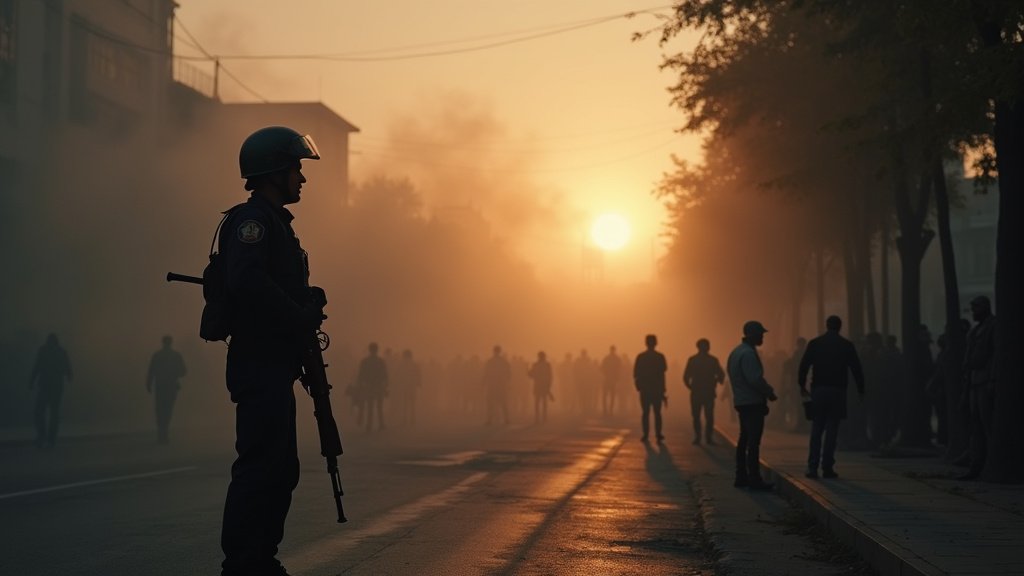
Iranian authorities responded with a brutal crackdown. Security forces used live ammunition, shotguns, and tear gas. Beatings were also reported. The Islamic Revolutionary Guard Corps (IRGC) and FARAJA police were involved in the Iran protest crackdown. Supreme Leader Ali Khamenei labeled protesters as “rioters” and called for their suppression. The government’s response to the Iran protest crackdown has been deadly.
Escalating Violence and Casualties of the Iran Protest Crackdown
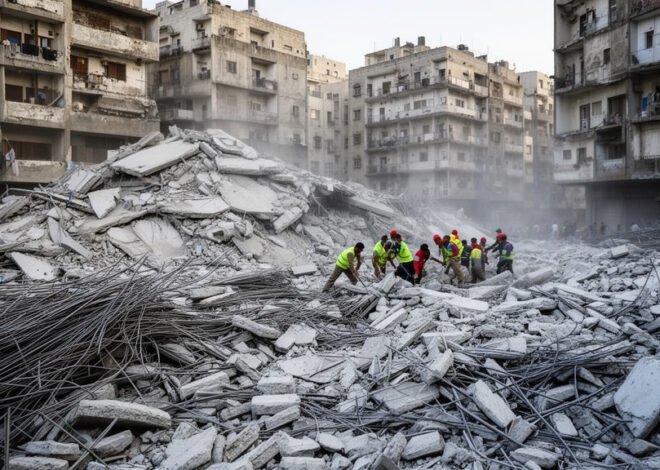
Estimates of the death toll from the Iran protest crackdown vary widely. Human rights groups report hundreds have died. HRANA stated at least 572 people perished by January 12, 2026, in the Iran protest crackdown. This figure includes 538 protesters and 47 security personnel. Other groups cite higher numbers following the intense Iran protest crackdown. Iran International reported 2,000 deaths in just 48 hours by January 10. Time Magazine suggested up to 6,000 fatalities resulting from the Iran protest crackdown. Amnesty International and Human Rights Watch documented at least 28 deaths by January 3. Children have also been among the victims of the Iran protest crackdown. Dozens of protesters have been killed, and many more suffered serious injuries. Thousands have been arrested in connection with the Iran protest crackdown. HRANA reported over 10,600 detentions by January 12. The true numbers from the Iran protest crackdown may be even higher.
Information Blackout Amidst the Iran Protest Crackdown
Iranian authorities imposed a nationwide internet blackout on January 8, 2026, as part of the Iran protest crackdown. This move severely restricted communication and limited access to information. NetBlocks confirmed the widespread outage, a common tactic in the Iran protest crackdown. Iran uses these internet blackouts to suppress dissent and hide the extent of the crackdown, hindering protest coordination. This digital darkness aids government control during the Iran protest crackdown. Access to the internet is a basic human right, and blocking it is a serious violation, especially during a widespread Iran protest crackdown. Amnesty International calls these actions grave human rights violations.
Global Condemnation of the Iran Protest Crackdown
The situation has drawn global attention. France, the UK, and Germany strongly condemned the killings during the Iran protest crackdown. They urged Iranian authorities to show restraint. Canada, Australia, and the EU also voiced concerns, calling for an end to the violence and the Iran protest crackdown. The UN Secretary-General expressed shock, urging restraint and restored communications. The UN’s fact-finding mission called for an end to the violence and the restoration of the internet, directly addressing the Iran protest crackdown.
U.S. President Donald Trump has made significant statements regarding the Iran protest crackdown. He reiterated threats of military action and claimed Iran proposed negotiations. He suggested talks were being arranged but warned the U.S. might act before any meeting. His administration is considering “very strong options” in response to the Iran protest crackdown. Some analysts believe Trump’s rhetoric could be counterproductive. Iran’s Foreign Minister Abbas Araghchi stated the situation was under control and accused the U.S. and Israel of fomenting unrest. Iran confirmed open communication lines with the U.S. Yet, it stressed the need for fair talks regarding the Iran protest crackdown. Iran summoned diplomats from several European nations, objecting to their support for the protests against the regime’s Iran protest crackdown.
Roots of Unrest Leading to the Iran Protest Crackdown
The current protests, met with a severe Iran protest crackdown, are rooted in deep economic woes. Iran’s economy has struggled significantly, partly due to international sanctions. The UN reimposed sanctions in September 2025. A major war with Israel in June 2025 also impacted the nation, contributing to the conditions that led to the Iran protest crackdown. The rial currency has devalued sharply, leading to soaring inflation and worsening living conditions for people. These issues fueled the initial demonstrations, which echo past uprisings and represent the most extensive since 2022, a year that saw mass protests after Mahsa Amini’s death, a precursor to the current Iran protest crackdown.
Broader Implications of the Iran Protest Crackdown
The Iran protest crackdown and diplomatic tensions create global uncertainty. Iran faces internal pressure and external scrutiny. The risk of further escalation remains high. The regime’s response during the Iran protest crackdown highlights its vulnerability. The international community watches closely. The future of Iran’s domestic stability is uncertain. This recent news underscores a critical global news event, showing a nation at a complex crossroads due to the ongoing Iran protest crackdown.


Related Posts