Magyar Sworn In: Hungary’s New PM, Hantavirus Fears, UK Sends Destroyer
Summary Lead
Peter Magyar has officially been sworn in as Hungary’s new Prime Minister, marking a significant political shift for the nation. Simultaneously, global health organizations are closely monitoring a concerning outbreak of Hantavirus aboard a cruise ship, raising public health alarms. In parallel, Britain has dispatched a naval destroyer to the Middle East, signaling heightened geopolitical tensions in the region. These concurrent events underscore a dynamic and complex international landscape.
Key Highlights
- Peter Magyar assumes the role of Prime Minister of Hungary, initiating a new political era.
- The World Health Organization (WHO) is actively tracking a Hantavirus outbreak on a cruise ship, assessing the risk to passengers and the wider public.
- The United Kingdom has deployed a destroyer to the Middle East, indicating a response to evolving security concerns.
- These developments highlight a period of significant political, health, and geopolitical activity across Europe and beyond.
Hungary’s Shifting Political Tides Under Prime Minister Magyar
The inauguration of Peter Magyar as Hungary’s new Prime Minister represents a pivotal moment in the country’s recent political history. Magyar’s ascent to power follows a period of intense political maneuvering and public anticipation, promising a potential recalibration of Hungary’s domestic and international policies. His administration is expected to address a range of pressing issues, from economic reforms to social welfare programs, while navigating the complex European Union landscape. The implications of his leadership style and policy agenda will be closely watched by both domestic observers and international partners. As the dust settles from the political transition, the focus now shifts to the concrete actions and legislative priorities of the Magyar government. His early decisions will set the tone for his tenure and signal the direction of Hungary’s future trajectory on the global stage.
Early Policy Directives and Public Expectations
Initial statements from Magyar’s camp suggest a commitment to revitalizing the Hungarian economy, with a particular emphasis on fostering innovation and attracting foreign investment. There is also an expectation of renewed focus on strengthening democratic institutions and ensuring greater transparency in governance. Public sentiment appears to be a mix of cautious optimism and watchful scrutiny, with citizens eager to see tangible improvements in their daily lives and a more responsive political system. The challenge for Magyar will be to translate his campaign promises into effective policy, balancing the needs of diverse societal groups while adhering to fiscal responsibility.
Hungary’s Stance on European Union Matters
Under previous leadership, Hungary has often found itself at odds with certain European Union policies, particularly concerning migration and the rule of law. The international community will be keenly observing whether Prime Minister Magyar will seek to mend fences and foster a more collaborative relationship with Brussels, or if Hungary will continue to chart an independent course. His approach to EU negotiations, especially concerning economic aid and regulatory alignment, will be a key indicator of his administration’s foreign policy orientation. The economic interconnectedness within the EU means that Hungary’s relationship with the bloc remains a critical factor in its long-term prosperity.
Global Health Alert: Hantavirus on Cruise Ship
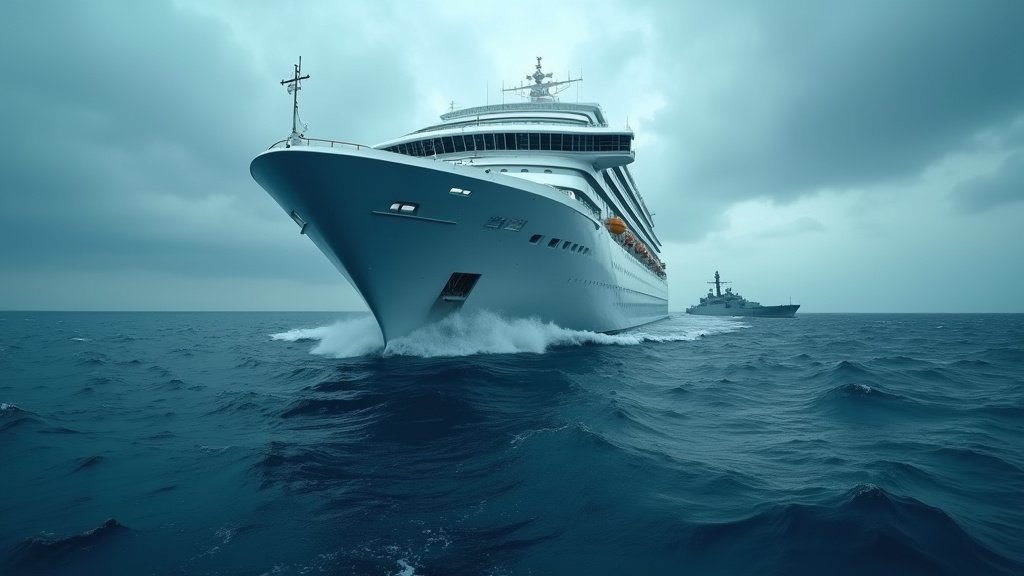
In a stark reminder of the pervasive threats posed by infectious diseases, a Hantavirus outbreak has been detected on a cruise ship, prompting urgent intervention from the World Health Organization (WHO). Hantaviruses are a group of viruses that can be transmitted to humans primarily through contact with rodents, particularly the urine, feces, or saliva of infected animals. While person-to-person transmission is rare for most hantaviruses, the close confines of a cruise ship can facilitate the spread of respiratory illnesses. Health authorities are working diligently to contain the outbreak, isolate affected individuals, and implement stringent disinfection protocols to prevent further transmission. The incident underscores the ongoing importance of robust public health surveillance systems and rapid response capabilities, especially in environments where large numbers of people congregate.
Understanding Hantavirus and Its Transmission
Hantaviruses are endemic in many parts of the world, with different strains associated with varying symptoms and severity. The most common forms in the Americas can cause Hantavirus Pulmonary Syndrome (HPS), a severe respiratory illness characterized by fever, muscle aches, and difficulty breathing, which can progress rapidly to potentially fatal complications. Other strains, prevalent in Europe and Asia, can cause Hemorrhagic Fever with Renal Syndrome (HFRS). The primary mode of transmission to humans is inhalation of aerosolized virus from rodent excreta, but direct contact with infected rodents or bites can also lead to infection. The WHO’s involvement signifies the seriousness with which this outbreak is being treated, given the potential for rapid spread in such a setting.
Cruise Ship Health Protocols and WHO’s Role
Cruise ships, by their nature, present unique public health challenges due to the close proximity of passengers and crew, combined with extensive international travel. Enhanced sanitation and ventilation systems are crucial. The WHO is providing technical guidance to the ship’s medical staff and the relevant national health authorities, assisting in diagnosis, case management, and epidemiological investigation. Their role includes risk assessment, advising on control measures, and facilitating communication to prevent wider dissemination. This incident serves as a critical case study for the preparedness and response mechanisms of international health bodies in managing infectious disease outbreaks in mobile populations.
Geopolitical Maneuvering: Britain Sends Destroyer to the Middle East
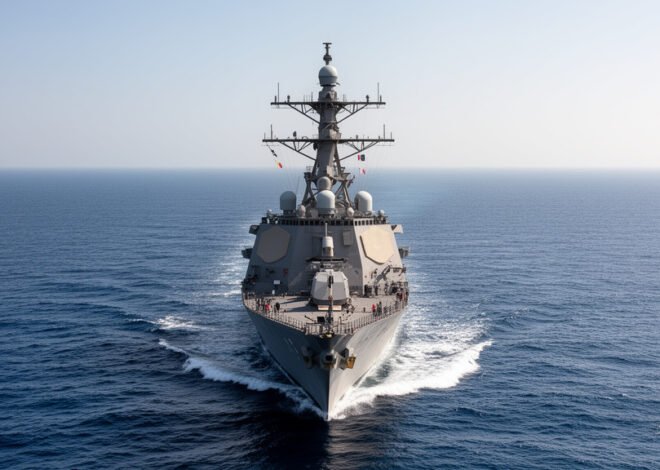
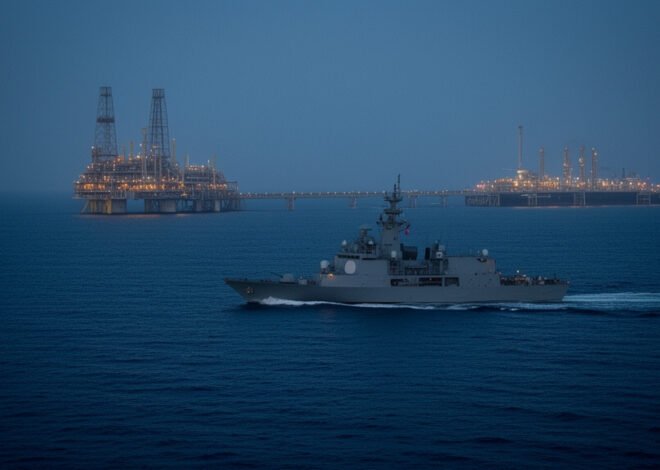
The deployment of a British destroyer to the Middle East signifies a strategic move amidst a backdrop of escalating regional tensions. This action is likely a response to the volatile geopolitical climate in the region, aimed at projecting power, deterring potential aggressors, and ensuring the safety of maritime trade routes. The presence of a naval warship in these waters often serves as a clear signal of a nation’s commitment to regional stability and its willingness to act in concert with allies. The specific nature of the threat or concern prompting this deployment will be crucial in understanding the broader strategic implications for international security. Britain’s naval presence in the region has historically played a significant role in maintaining a balance of power and safeguarding vital economic interests.
Strategic Importance of the Middle East’s Maritime Routes
The Middle East is a critical nexus for global trade, with its maritime routes serving as vital arteries for the transportation of oil, gas, and other essential commodities. The security of the Persian Gulf and the Strait of Hormuz, in particular, is of paramount importance to the global economy. Any disruption to these shipping lanes can have far-reaching consequences, leading to energy supply shocks and significant economic instability worldwide. Naval deployments like the dispatch of a destroyer are often intended to deter state and non-state actors from threatening these critical chokepoints. The UK’s commitment to maritime security in this zone reflects its global interests and its role within international security alliances.
The Broader Context of International Naval Deployments
This deployment does not occur in a vacuum. It is part of a larger pattern of international naval activity in the Middle East, often involving coordinated efforts between allied nations to ensure freedom of navigation and counter regional threats. The specific operational mandate of the British destroyer will likely be influenced by intelligence assessments regarding potential adversaries and the prevailing security environment. Such deployments are complex diplomatic and military endeavors, requiring careful coordination with regional partners and clear communication of intent to avoid miscalculation and de-escalate potential conflicts. The ongoing monitoring of developments in the region remains a priority for global security analysts.
FAQ: People Also Ask
Who is Peter Magyar?
Peter Magyar is the newly sworn-in Prime Minister of Hungary. His political background and specific policy platforms are expected to shape Hungary’s direction in the coming years.
What is Hantavirus and how is it transmitted?
Hantavirus is a group of viruses spread primarily through contact with infected rodents. While most strains do not spread person-to-person, they can cause severe respiratory illness (Hantavirus Pulmonary Syndrome) or hemorrhagic fever depending on the strain and region. Transmission usually occurs through inhalation of aerosolized virus from rodent urine or droppings.
Why is Britain sending a destroyer to the Middle East?
The deployment of a British destroyer to the Middle East is a strategic response to regional tensions and aims to ensure the security of vital maritime trade routes, deter potential aggression, and signal commitment to regional stability.
What are the primary concerns with a Hantavirus outbreak on a cruise ship?
The primary concerns are the potential for rapid spread due to close living quarters, the severity of the illness (Hantavirus Pulmonary Syndrome), and the need for swift public health intervention to contain the outbreak and prevent further transmission among passengers and crew.
What are the potential economic impacts of instability in the Middle East’s maritime routes?
Instability in the Middle East’s maritime routes can lead to severe global economic consequences, including disruptions to oil and gas supplies, increased energy prices, and broader financial market volatility due to the critical role these routes play in global trade.


Related Posts