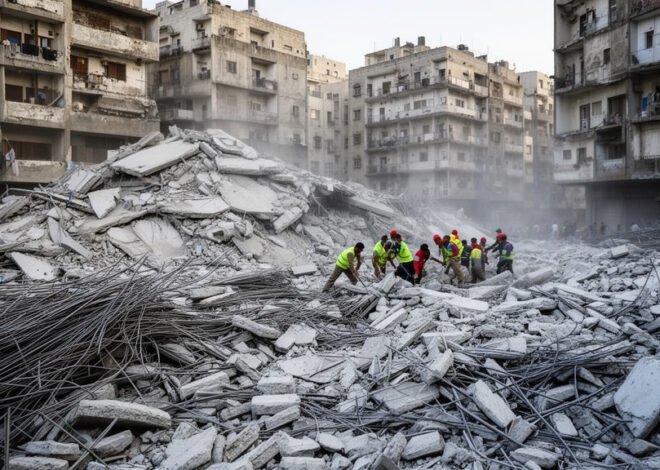

Ukraine Drone Attack Hits Kindergarten
Russia launched a significant drone attack targeting Ukraine overnight, with debris from one of the unmanned aerial vehicles striking a kindergarten in the Odesa region. Fortunately, no casualties were reported from the kindergarten strike itself, though the broader assault underscores the ongoing aerial threat to Ukrainian infrastructure and civilian areas. The incident highlights the persistent nature of the conflict and the methods employed by Russia to wage war, even against seemingly innocuous targets.
Key Highlights:
- Russia conducted a large-scale drone attack on Ukraine.
- Debris from a drone hit a kindergarten in Odesa.
- No injuries were reported at the kindergarten site.
- The attack signifies the continuation of aerial assaults on Ukrainian territory.
The Persistent Threat of Russian Aerial Assaults
Overnight, Ukrainian air defense systems were engaged in repelling a barrage of Russian drones, a tactic that has become a grim hallmark of the ongoing conflict. The primary focus of this particular assault appears to have been the Odesa region, a strategically vital port city on the Black Sea. Amidst the engagement of these incoming threats, fragments from one of the drones struck a local kindergarten, sending a chilling reminder of the proximity of danger to civilian life. While the immediate impact at the educational facility did not result in injuries, the incident is a stark illustration of the indiscriminate nature of such attacks and the potential for collateral damage.
The Odesa Strike and its Implications
The kindergarten in Odesa, a place usually filled with the sounds of children, became the focal point of debris from a Russian drone. This specific targeting, or at least the collateral impact on such a site, raises serious questions about the operational parameters and intent behind Russia’s aerial campaigns. While Russia has frequently targeted Ukrainian energy infrastructure and military sites, strikes that come into close proximity with civilian facilities like schools are particularly concerning. The Ukrainian Air Force reported successfully intercepting a number of the drones, indicating a degree of success in their defensive operations. However, the mere fact that drone debris reached a kindergarten underscores the challenges faced by air defense systems in fully neutralizing all incoming threats, especially in densely populated areas.
Broader Context of Drone Warfare
This incident is not an isolated event but rather a continuation of a broader pattern of warfare involving unmanned aerial vehicles. Both Russia and Ukraine have extensively utilized drones for reconnaissance, surveillance, and attack purposes throughout the conflict. Russia’s use of Iranian-made Shahed-series drones, often referred to as “kamikaze” or loitering munitions, has been a consistent feature of its offensive operations. These drones are designed to crash into targets, detonating their payloads, and are relatively low-cost, allowing for large-scale deployment. Ukraine, in turn, has developed its own drone capabilities and has received significant military aid, including advanced air defense systems, to counter these threats. The constant threat of aerial bombardment forces Ukraine to remain vigilant, expending valuable resources on air defense while simultaneously dealing with the physical and psychological impact on its populace.
The Strategic Importance of Odesa
Odesa holds significant strategic importance for Ukraine. As its largest port and a key gateway for maritime trade, particularly grain exports, control and security of the city are paramount. Russia has repeatedly targeted Odesa and its port infrastructure, seeking to disrupt Ukraine’s economy and its ability to supply global markets. The attacks on Odesa underscore the dual nature of Russia’s strategy: striking at Ukraine’s economic heart while also aiming to demoralize its population. The resilience of Odesa’s residents and its defenders remains a critical factor in Ukraine’s broader war effort.
International Law and Civilian Infrastructure
The deliberate targeting or reckless endangerment of civilian infrastructure, including schools and hospitals, by military forces is a violation of international humanitarian law. While Russia has consistently denied targeting civilian sites, the recurring instances of damage to such facilities raise grave concerns. International bodies and human rights organizations continue to monitor and document alleged violations, seeking accountability for actions that contravene established norms of warfare. The strike on the kindergarten, even if accidental debris, serves as a potent symbol of the devastating consequences of this conflict on everyday Ukrainian life.
FAQ: People Also Ask
What are the primary types of drones used in the conflict?
Russia has predominantly used Iranian-made Shahed-series drones, known for their loitering munition capabilities. Ukraine utilizes a variety of drones, including domestically produced models and those supplied by international partners, for reconnaissance, attack, and electronic warfare.
Why is Odesa strategically important to Ukraine?
Odesa is Ukraine’s largest port city and a crucial hub for its maritime trade, especially for grain exports. Its control is vital for Ukraine’s economy and its role in global food security. Russia has frequently targeted Odesa to disrupt these activities.
What are the rules of engagement regarding civilian infrastructure in warfare?
International humanitarian law, such as the Geneva Conventions, prohibits the direct targeting of civilian objects, including schools, hospitals, and residential areas. Attacks must distinguish between combatants and civilians, and civilian harm must be minimized. The reckless endangerment of civilian sites is also prohibited.
How effective are Ukraine’s air defense systems against drone attacks?
Ukraine’s air defense systems have shown considerable effectiveness in intercepting a significant portion of incoming Russian drones and missiles. However, the sheer volume of attacks and the diverse tactics employed by Russia present a continuous challenge, and not all threats can be neutralized.
What is the psychological impact of ongoing drone attacks on civilians?
Constant drone attacks create a pervasive sense of anxiety and fear among civilians, disrupting daily life and affecting mental well-being. The unpredictability of strikes and the potential for damage to homes and critical infrastructure contribute to significant psychological stress.


Related Posts