
Paris Unrest: 855 Arrested Amid Violent Protests
Paris has been plunged into a state of intense civil instability, with authorities confirming that 855 individuals have been detained following a wave of violent clashes, property destruction, and widespread looting across the capital. The unrest, which has transformed typically bustling city centers into restricted zones of conflict, marks a significant escalation in the ongoing public dissatisfaction regarding the rising cost of living in France.
Key Highlights
- Mass Detentions: The French National Police have confirmed the arrest of 855 individuals involved in the recent cycle of violence.
- Economic Drivers: The unrest is fundamentally rooted in public anger over inflation, energy prices, and the broader cost-of-living crisis impacting French households.
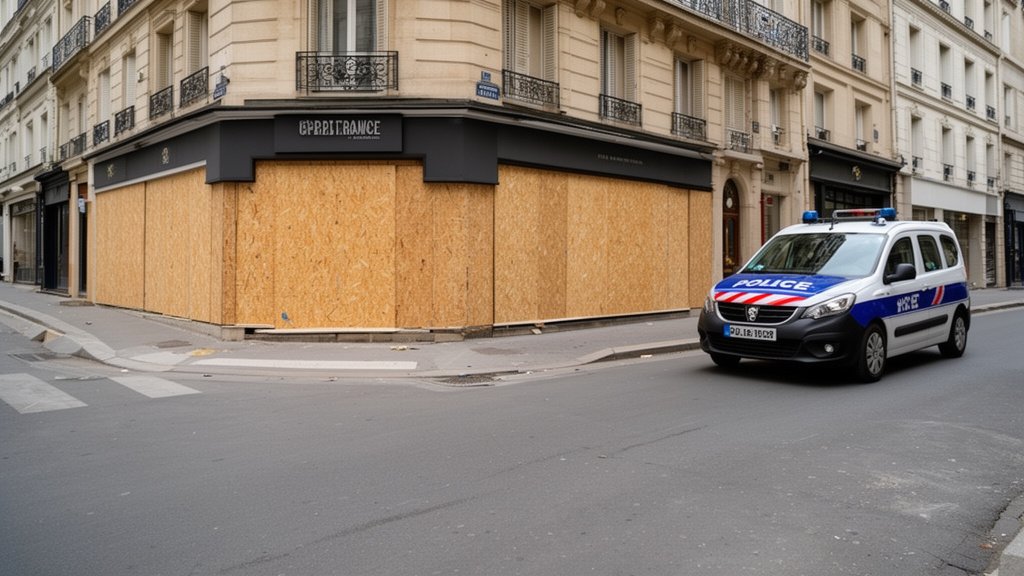
- Infrastructure Damage: Major commercial districts have reported severe looting and property damage, forcing local businesses to board up storefronts.
- Security Response: The Paris Prefecture has deployed significantly heightened security measures, including riot control units, to restore order in the capital.
The Anatomy of the Parisian Unrest
The recent surge of violence in Paris serves as a stark barometer for the current socioeconomic climate in France. What began as organized demonstrations regarding stagnant wages and high inflation has rapidly devolved into aggressive confrontations between demonstrators and law enforcement agencies. The figure of 855 arrests is a significant data point, highlighting not only the scale of the participation but also the severity of the policing response deemed necessary to stabilize the city.
Escalation from Protest to Civil Disorder
Historically, Paris has functioned as a central stage for political expression, where protests often serve as a legitimate tool for the populace to signal discontent to the governing administration. However, the events of this week represent a departure from peaceful assembly. Observers note that opportunistic elements have infiltrated legitimate demonstrations, utilizing the crowd density to facilitate acts of looting and vandalism. Shop windows have been smashed in key shopping corridors, and street furniture has been repurposed as barricades. The 855 detentions underscore the authorities’ transition from a containment strategy to a proactive arrest-based strategy to prevent further property destruction.
The Economic Catalyst: Living Costs
To understand the intensity of these riots, one must look at the macro-economic reality. Inflation in France, particularly regarding food and energy, has strained the purchasing power of the middle and lower classes. This economic squeeze has created a pressure cooker effect. While the protests are framed by some as a failure of policy, the government maintains that structural economic shifts are global in nature. The disconnect between the government’s narrative and the lived reality of citizens who are struggling to pay utility bills and grocery costs has widened significantly, acting as the primary fuel for the current civil unrest. The presence of the Ministry of the Interior in central coordination meetings signals that this is being treated not just as a law enforcement issue, but as a potential threat to national public order.
Security Response and Judicial Aftermath
The operational response by the French National Police has been robust. By isolating flashpoints of violence and conducting rapid intervention, the police managed to curb the spread of looting into residential neighborhoods. However, the sheer volume of arrests—855 in total—poses a logistical challenge for the French judicial system. Authorities are now tasked with processing these individuals, distinguishing between opportunistic looters and political protestors who engaged in civil disobedience. This process will be closely watched by human rights organizations and legal experts, who will be scrutinizing whether the state’s response aligns with the democratic right to protest or if it represents an overreach of executive power.
Historical Context and Future Implications
France has a long history of protest culture, ranging from the ‘Gilets Jaunes’ (Yellow Vests) to labor reform strikes. Unlike those movements, which often had specific legislative targets, the current unrest appears more diffuse and driven by raw, generalized economic frustration. This lack of a specific ‘negotiation’ point makes the situation particularly volatile. If the government fails to address the underlying economic grievances, experts warn that these protests may evolve into a recurring pattern rather than an isolated incident. The long-term impact on Paris as a tourist destination and a business hub could be substantial, with many retailers questioning the viability of maintaining central locations if property security cannot be guaranteed during times of social upheaval.
FAQ: People Also Ask
Why are the protests in Paris currently turning violent?
The violence is attributed to a mixture of deep-seated frustration regarding inflation and economic hardship, combined with the infiltration of protests by individuals engaging in opportunistic looting and property destruction.
What are the 855 people being charged with?
While specific legal charges vary per individual, typical charges in these scenarios include participation in an undeclared protest, carrying prohibited weapons, vandalism, and theft or looting of commercial property.
Is the city of Paris currently safe for visitors?
While tourist areas are generally being protected by a heavy police presence, authorities have advised residents and visitors to avoid protest routes and areas where clashes have been reported, as the situation remains fluid.
How is the government responding to the cost-of-living crisis?
The French government is currently weighing further subsidies and price-control measures on essentials, though they face tight budget constraints and pressure to maintain fiscal responsibility amidst a slowing economy.


Related Posts


