Strait of Hormuz Crisis: U.S. and Iran Trade Direct Strikes
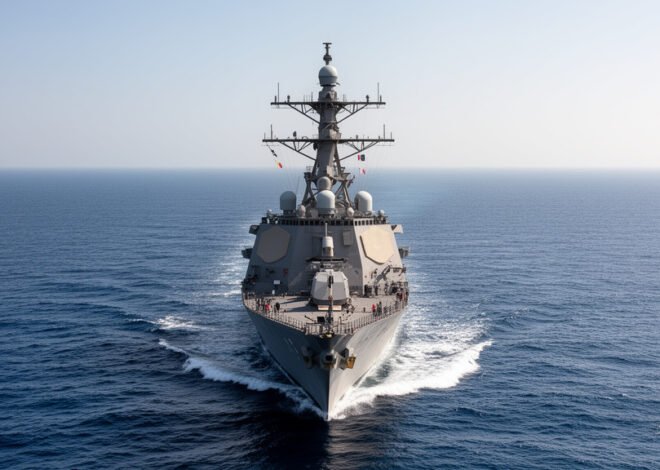
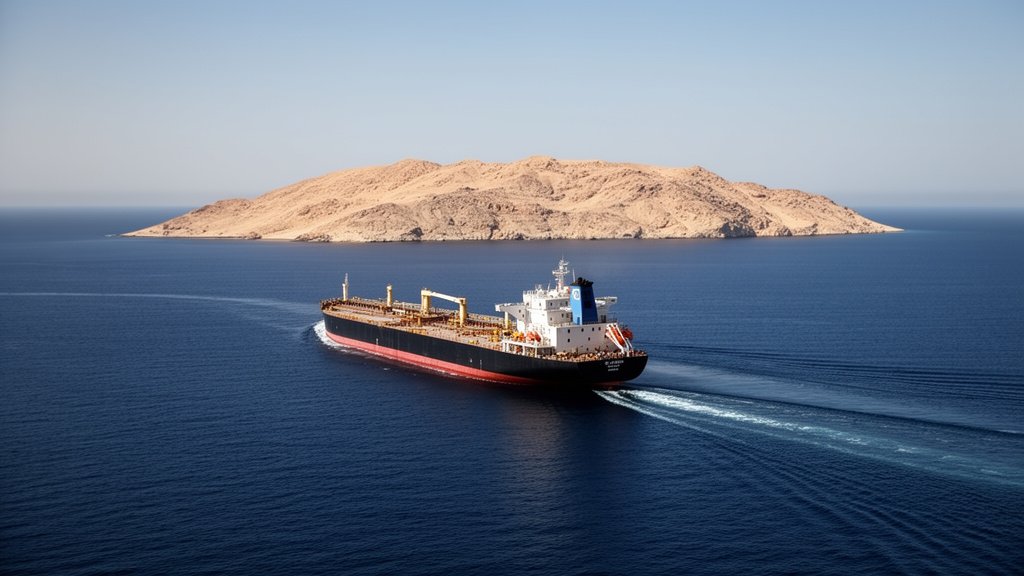
U.S. forces executed a targeted strike against two Iranian launchers on Larak Island, acting on high-level intelligence indicating an imminent plan to deploy sea mines into the critical Strait of Hormuz shipping lane. This aggressive maneuver effectively shattered a month-long cessation of direct military engagement between the two nations, prompting an immediate and forceful retaliation. Iranian forces responded by launching a volley of ballistic missiles directed at U.S. military installations in Jordan and the Al Minhad Air Base in the United Arab Emirates, signaling a significant shift toward open, direct conflict.
Key Highlights
- Targeted Strike: U.S. military assets successfully neutralized two Iranian rocket launchers stationed on Larak Island, preventing the deployment of sea mines designed to disrupt the Strait of Hormuz.
- Retaliatory Escalation: Iran fired ballistic missiles at key U.S. facilities, specifically targeting sites in Jordan and the Al Minhad Air Base in the UAE.
- End of De-escalation: This exchange ends a month-long period of relative stability, marking a dangerous new phase in the ongoing regional conflict.
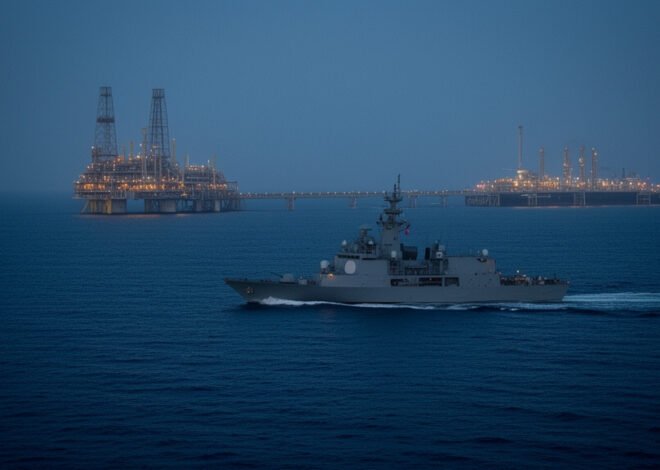
- Strategic Chokepoint: The Larak Island operation highlights the extreme tension surrounding the Strait of Hormuz, the world’s most significant energy chokepoint.
The Shift to Direct Confrontation
The operation on Larak Island represents a tactical pivot for the United States, which has generally sought to contain regional tensions through deterrence and indirect engagement. Intelligence reports suggested that the Iranian launchers were pre-positioned to deploy sea mines, which would have threatened the free flow of commercial shipping. By striking these launchers directly, the U.S. military signaled that the protection of the Strait of Hormuz—a maritime conduit responsible for nearly 20% of the world’s total oil consumption—remains a “red line” that will be enforced with lethal kinetic action.
However, the Iranian response was swift and geographically dispersed. The decision to strike targets in Jordan—a key U.S. strategic partner and a vital logistics hub for Western forces—and the Al Minhad Air Base serves as a clear message from Tehran: the era of proxy-only conflict is potentially coming to a close. The ballistic missile strikes were not merely a symbolic gesture but a calculated attempt to test the efficacy of current regional missile defense systems, including Patriot and THAAD batteries deployed across the region.
Implications for Global Energy Markets
The immediate aftermath of these strikes has sent shockwaves through global energy markets. The Strait of Hormuz is not only a conduit for oil but also a primary artery for Liquefied Natural Gas (LNG) shipments. Even the mere threat of mining operations by Iran historically triggers immediate spikes in insurance premiums for commercial vessels. With active kinetic exchanges now occurring in the immediate vicinity, shipping companies face a precarious landscape. Analysts suggest that if these “tit-for-tat” strikes continue, we may see a significant re-routing of tanker traffic, potentially adding days or weeks to transit times, which would invariably lead to an inflationary shock in global energy pricing. The energy sector is now pricing in a “risk premium” that has not been present during the month-long period of stability that preceded this week’s events.
Assessing the Regional Security Posture
The targeting of the Al Minhad Air Base is particularly noteworthy. As a critical hub for U.S. Air Force logistics and regional coordination, Al Minhad is a hardened installation. The fact that Iranian ballistic missiles penetrated or were directed at such a sensitive facility demonstrates an evolution in Iranian strike capability and intent. This escalation forces the U.S. Department of Defense to reconsider its posture in the Gulf. We are likely to see an increase in the deployment of naval assets and advanced anti-missile systems in the coming days as the U.S. looks to shore up its defenses in the UAE and Jordan.
The U.S.-Jordanian security relationship is foundational to regional stability. By striking into Jordan, Iranian forces have crossed an operational threshold, forcing the Jordanian government to navigate an increasingly difficult diplomatic and security landscape. This puts immense pressure on Amman to manage domestic public sentiment while maintaining its strategic alliance with the United States.
Future Trajectory: De-escalation or Spiral?
Looking forward, the critical question is whether this exchange is a “calculated escalation” intended to reset the rules of engagement, or the beginning of an uncontrolled spiral. Historically, both Tehran and Washington have shown an inclination toward controlled escalations—striking enough to demonstrate resolve while stopping short of full-scale war. However, the use of ballistic missiles against fixed installations removes a layer of deniability that previously allowed both sides to manage tensions. If either side feels that their strategic “red lines” are being continuously breached, the risk of miscalculation increases exponentially. Intelligence agencies are currently monitoring for further movements of mobile launchers, as the window for diplomatic off-ramps appears to be rapidly closing.
FAQ: People Also Ask
1. Why is Larak Island strategically significant?
Larak Island is located at the narrowest point of the Strait of Hormuz. Its geography allows for the control of naval traffic entering and exiting the Persian Gulf, making it an ideal location for deploying anti-ship weaponry and mines to disrupt international maritime trade.
2. What is the impact of the strike on the Al Minhad Air Base?
The Al Minhad Air Base in the UAE is a primary logistics and staging hub for U.S. and allied air operations in the Middle East. An attack on this facility suggests an attempt to degrade the U.S. ability to project air power and conduct regional surveillance.
3. Is this considered a state of war?
While both sides have engaged in direct military strikes, neither nation has officially declared war. However, the shift from proxy conflict to direct state-on-state strikes signifies a severe escalation in hostilities that challenges current international security norms.
4. Will this affect gas prices at the pump?
Yes, the market is highly sensitive to disruption in the Strait of Hormuz. Because the region is a critical oil chokepoint, increased volatility and the threat of closed shipping lanes often lead to immediate increases in global oil prices, which inevitably translate to higher fuel costs for consumers worldwide.


Related Posts