
Strait of Hormuz Reopens: Global Markets Rally as Oil Prices Plunge
Iran has officially declared the Strait of Hormuz “completely open” to all commercial maritime traffic, marking a significant, if temporary, de-escalation in the volatile 2026 regional conflict. The announcement, confirmed by Iranian Foreign Minister Abbas Araghchi early Friday, comes on the heels of a 10-day ceasefire agreement between Israel and Lebanon. As news of the reopening rippled through international energy markets, the immediate reaction was a sharp, double-digit decline in crude oil prices, signaling a massive sigh of relief from global investors who have been bracing for a prolonged energy supply disruption.
Key Highlights
- Immediate Oil Price Correction: Brent and U.S. crude benchmarks dropped by over 10-13% within hours of the announcement, easing fears of global supply chain collapse.
- Conditional Access: Iran states the strait is open only for the duration of the current 10-day ceasefire, using a specific, coordinated route mandated by Iranian port authorities.
- The Blockade Paradox: While the strait is open, U.S. President Donald Trump emphasized that the U.S. naval blockade on Iranian ports remains in full force until a final, comprehensive peace ‘transaction’ is finalized.
- Stock Market Surge: The Dow Jones Industrial Average and other major global indices saw significant gains, reflecting renewed investor confidence in avoiding a worst-case global recession scenario.
The Geopolitical Shift and Economic Whiplash
The Strait of Hormuz represents perhaps the world’s most significant energy chokepoint, serving as the conduit for approximately one-fifth of the globe’s seaborne oil and LNG. For weeks, the corridor had been a theater of war, with Iran employing tactics to throttle traffic in retaliation for U.S.-led naval pressure and regional military escalations. The sudden announcement that this waterway is once again accessible has not just moved markets—it has redefined the immediate strategic landscape of the 2026 Iran war.
The Anatomy of the Oil Plunge
Financial analysts had spent the better part of March and early April pricing in a ‘risk premium’ on every barrel of oil sold globally. When the Strait of Hormuz was effectively closed, insurance premiums for shipping spiked, and the sheer uncertainty surrounding supply timelines created a chaotic environment for commodities traders.
On Friday, the reality shifted. As the news broke that commercial vessels could resume transit, the speculative ‘war premium’ evaporated almost instantly. Traders, hedge funds, and energy corporations rushed to recalibrate their positions. The 13% plunge in crude oil is a direct reflection of market relief; it suggests that while the threat of total conflict looms, the immediate risk of a systemic energy shut-off has been mitigated. However, this volatility underscores just how fragile the global economic recovery remains. Investors are not necessarily convinced that the war is over; rather, they are betting that the worst-case supply chain scenario has been avoided for the next ten days.
The ‘Blockade Paradox’ and Negotiating Leverage
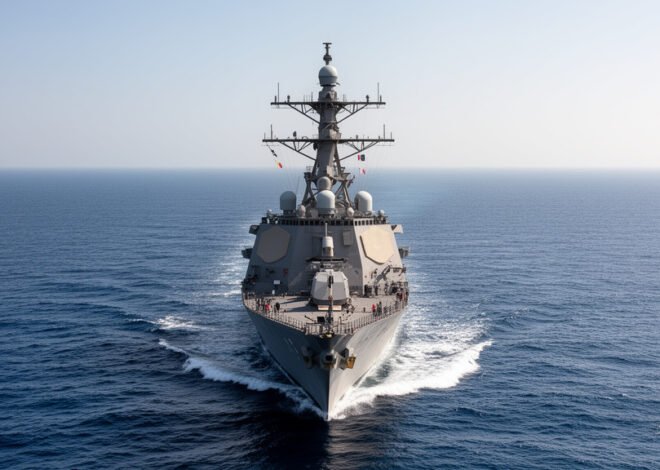
Perhaps the most confusing element of Friday’s development is the concurrent existence of an open strait and an active U.S. naval blockade. President Donald Trump’s response to the reopening was characteristic of his administration’s ‘transactional’ approach to foreign policy. In a post on Truth Social, the President welcomed the news, calling it the ‘Strait of Iran’ being ready for business, yet simultaneously affirmed that the U.S. naval blockade will remain in full force.
This creates a precarious legal and physical environment for shipping companies. While Iran has guaranteed safe passage on a designated route, those same vessels must still navigate a U.S. naval presence that remains actively tasked with intercepting contraband or material support heading toward Iran. This is a high-stakes diplomatic and tactical game of chicken. It essentially separates ‘humanitarian and commercial relief’ from ‘sanctions enforcement.’ Shipping companies now find themselves having to coordinate not just with Iranian maritime authorities to ensure they are on the ‘approved route,’ but also with U.S. Navy command, which is maintaining a blockade on Iranian ports. The potential for miscalculation is high, and the operational complexity for logistics firms has increased exponentially.
Secondary Angles: A Deeper Look
1. The Resilience of Global Supply Chains
While the strait reopening is a victory for immediate energy security, it highlights a structural vulnerability. Many shipping firms have already diversified routes or reduced their dependency on the Gulf in anticipation of long-term instability. The move to a ‘coordinated route’ as mandated by Iran suggests a level of state-controlled maritime management that may become a permanent fixture in the post-war era. Companies are now looking at ‘de-risking’ their operations permanently, potentially leading to a long-term shift away from reliance on the Gulf, which could impact the economic clout of oil-producing nations in the region for decades.
2. Inflationary Pressures and The Consumer Impact
For the average consumer, the plunge in oil prices is a welcome, albeit lagging, relief. If the ceasefire holds and the strait remains open, we can expect energy and transportation costs to stabilize by late May. However, the ‘sticky’ inflation seen in early 2026 caused by the conflict will not disappear overnight. The price of goods, which are currently inflated due to high shipping insurance and fuel surcharges, will likely remain elevated until there is a sustained, multi-month period of stability. The market rally is optimistic, but consumer prices follow a more sluggish timeline.
3. The Diplomatic End-Game
President Trump’s insistence on a ‘transaction’ nearing 100% completion indicates that the U.S. is using the current maritime opening as a benchmark for larger negotiations. By allowing the reopening but keeping the blockade, the U.S. is essentially saying, ‘We will ease the economic pressure only when the political concessions are signed.’ This creates a clear timeline for the upcoming weeks. If the ceasefire expires and no deal is reached, the potential for a swift return to conflict is high, creating a ‘cliff-edge’ effect that markets will likely begin pricing in by mid-next week.
FAQ: People Also Ask
Q: Is the Strait of Hormuz permanently reopened?
A: No. Iran’s announcement specifically ties the reopening to the 10-day duration of the current ceasefire between Israel and Lebanon. There are no guarantees currently in place for what happens after this period expires.
Q: Why is the U.S. keeping the blockade if Iran opened the strait?
A: The U.S. maintains the blockade as a strategic leverage point. President Trump has stated it will remain in place until a comprehensive ‘transaction’ (peace deal) with Iran is finalized. The blockade is currently focused on preventing military supplies, while commercial vessels are permitted to transit the strait.
Q: How will this affect my gas prices?
A: The drop in crude oil prices usually takes several days to weeks to filter through to consumer pump prices. While the immediate market reaction was a 10-13% drop in oil futures, drivers should expect a more gradual decrease at the pump, provided the current ceasefire holds.
Q: What happens if the ceasefire breaks?
A: If the 10-day truce between Israel and Lebanon collapses, the status of the Strait of Hormuz becomes immediately uncertain. Markets would likely react with volatility, potentially reversing the recent gains in stocks and the drop in oil prices if fears of renewed blockade tactics return.


Related Posts