Syria’s First Year Post-Assad: Hope Amidst Turmoil and a Nation Rebuilding
Syria marks a significant milestone with the first anniversary of Bashar al-Assad’s fall, a pivotal moment in the nation’s history. The Syria Post-Assad era officially began on December 8, 2024, following a brutal 14-year civil war that finally ended decades of authoritarian control. Today, Syrians are beginning to celebrate newfound freedoms, though the nation still grapples with the immense task of healing and recovery. The transition to a Syria Post-Assad reality is fraught with complexity.
The End of an Era: Syria Post-Assad
Assad’s government collapsed with surprising speed, leading to rebel forces seizing Damascus and Assad himself fleeing the country to find asylum in Russia. His departure signaled the end of a long dynasty and ushered in a new chapter for Syria, with Hayat Tahrir al-Sham (HTS) leader Ahmed al-Sharaa now heading a Syrian transitional government. This marks a dramatic shift in the landscape of Syria after Assad.
A Nation in Recovery: Syria Post-Assad Rebuilding Efforts
The streets were filled with celebrations, and Syrians waved the new national flag, embodying a powerful sense of renewal. Many express profound relief, feeling they can finally breathe freely. Over a million refugees have returned home, and some two million displaced people are back too, offering crucial hope for the nation’s Syria economic recovery. The new leadership under President al-Sharaa has pledged to prioritize reconstruction and restoration of essential services, a critical aspect of Syria rebuilding efforts in the Syria Post-Assad period.
Lingering Challenges in Syria Post-Assad
Despite the initial euphoria, stability remains a distant prospect. Numerous armed groups continue to operate, and foreign powers, including Turkey and Israel, maintain a significant military presence. Gulf states are vying for reconstruction contracts, while sectarian violence persists in certain regions. The Kurdish-led SDF still controls the northeast, and Druze communities in the south are asserting demands for independence, illustrating the complex dynamics of the Syria Post-Assad environment.
Economic Hardship in Syria Post-Assad
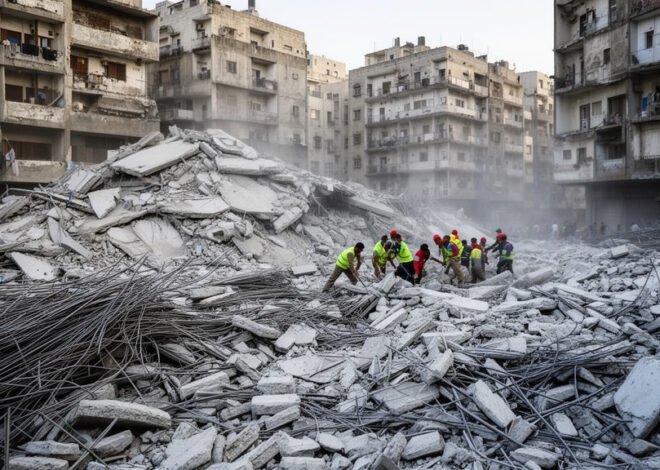
Syria’s infrastructure lies devastated, making reconstruction a monumental and costly undertaking. Estimates for rebuilding range from $216 billion to $400 billion, with poverty affecting an estimated 90 percent of the population, often leading to low-paying work opportunities. Addressing this economic crisis is paramount for any successful Syria Post-Assad future.
The Demand for Justice in Syria Post-Assad
Survivors and families of victims are resolutely demanding accountability and awaiting justice for the atrocities committed during the conflict. While transitional justice initiatives have commenced, progress is proving to be slow. Some appointments within the new government have also raised concerns, underscoring the immense challenge of rebuilding institutions and satisfying Syrian justice demands in the Syria Post-Assad transition.
The Path Forward for Syria Post-Assad
President al-Sharaa is actively calling for national unity and pledging accountability for past violence. A four-year transitional period is planned to establish new institutions, enact new laws, and draft a constitution, with elections slated for later. The international community is being urged to support Syria, where humanitarian needs remain acute, affecting approximately 16.5 million people. The road ahead is undeniably long and complex, filled with immense challenges, yet a fragile hope for a better future persists in the Syria Post-Assad era. This recent global news underscores the delicate nature of the transition following the Bashar al-Assad fall, aiming towards the end of the Syrian civil war.


Related Posts