
Trump Claims Iran Peace Deal Near
Former President Donald Trump asserted on Tuesday that a peace deal with Iran, which would include the opening of the Strait of Hormuz, is “largely negotiated.” This claim, made without providing specific details or official confirmation from any involved parties, signals a potential shift in Middle East diplomacy.
Key Highlights:
- Trump stated a peace deal with Iran is “largely negotiated.”
- The purported deal includes the opening of the Strait of Hormuz.
- No official confirmation has been provided by the Trump team or other involved nations.
Analyzing Trump’s Bold Diplomatic Claim
Donald Trump’s assertion regarding a “largely negotiated” peace deal with Iran, particularly one that hinges on the crucial maritime chokepoint of the Strait of Hormuz, has sent ripples through the international political landscape. The former President, known for his assertive and often unconventional approach to foreign policy during his tenure, has positioned himself as a key player in potentially resolving long-standing tensions between the United States and Iran. However, the lack of immediate corroboration from official channels, including the current US administration or Iranian representatives, leaves the claim in a state of ambiguity.
The Strait of Hormuz: A Geopolitical Nexus
The Strait of Hormuz, a narrow waterway connecting the Persian Gulf to the open ocean, is of immense strategic and economic importance. Approximately 20-30% of the world’s oil supply passes through this critical chokepoint daily. Any disruption or agreement concerning its passage has significant global implications. Trump’s emphasis on the opening of the Strait suggests that access and free passage for international shipping, particularly oil tankers, would be a cornerstone of this alleged deal. This aligns with his “America First” foreign policy, which often prioritized economic interests and the reduction of perceived global conflicts that could impact American prosperity.
Historical Context of US-Iran Relations
US-Iran relations have been fraught with tension for decades, dating back to the 1979 Iranian Revolution. Key flashpoints have included the Iran hostage crisis, Iran’s nuclear program, and proxy conflicts in the Middle East. The Obama administration’s Joint Comprehensive Plan of Action (JCPOA), a deal aimed at curbing Iran’s nuclear ambitions in exchange for sanctions relief, was a significant diplomatic effort. However, Trump unilaterally withdrew the US from the JCPOA in 2018, reimposing stringent sanctions, a move that was widely criticized by European allies but praised by some regional partners like Saudi Arabia and Israel. Trump’s current claims, if substantiated, would represent a dramatic reversal of his administration’s “maximum pressure” campaign.
Potential Implications for Regional Stability
If a peace deal were indeed “largely negotiated,” its impact on regional stability could be profound. A de-escalation of tensions between the US and Iran might lead to a reduction in proxy conflicts in countries like Yemen, Syria, and Iraq. It could also alter the geopolitical alignments in the Middle East, potentially impacting the relationships between Iran, Saudi Arabia, and Israel. Furthermore, the economic ramifications could be substantial, with a more secure Strait of Hormuz potentially leading to increased oil production and lower energy prices globally. However, the specifics of the deal, including the concessions made by both sides and the mechanisms for verification and enforcement, would be crucial in determining its long-term viability and the extent of its impact.
FAQ: People Also Ask
What is the significance of the Strait of Hormuz?
The Strait of Hormuz is a vital maritime chokepoint through which approximately 20-30% of the world’s oil passes daily. Its strategic location makes it crucial for global energy security and international trade.
Did Donald Trump previously withdraw from a deal with Iran?
Yes, during his presidency, Donald Trump withdrew the United States from the Joint Comprehensive Plan of Action (JCPOA), commonly known as the Iran nuclear deal, in 2018. He then reimposed sanctions on Iran.
Who are the key parties involved in US-Iran negotiations?
Traditionally, key parties in negotiations include the United States, Iran, and often other major world powers such as the United Kingdom, France, Germany, Russia, and China, particularly concerning the nuclear program.
What are the potential economic impacts of a peace deal with Iran?
A successful peace deal could lead to increased oil supply, potentially stabilizing or lowering global energy prices. It could also open new markets for trade and investment, and reduce the economic burden associated with regional instability and sanctions.
What is the current status of the Strait of Hormuz?
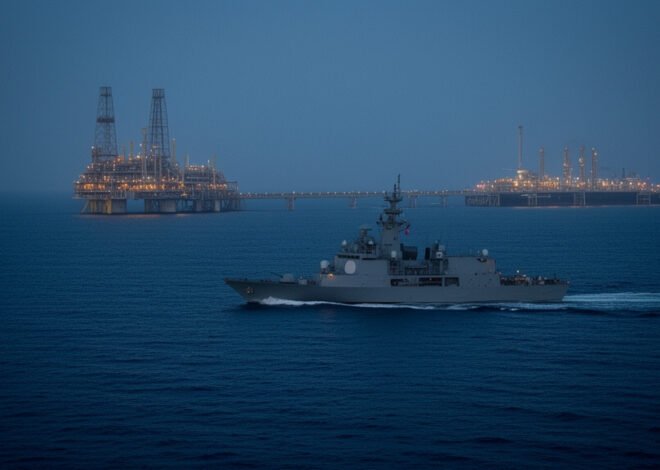
The Strait of Hormuz remains a highly sensitive area with a significant naval presence from various countries. It has been a focal point of tensions, with occasional confrontations and concerns over freedom of navigation.


Related Posts