Democrats Clash With Nvidia, Trump Over CEO Reinstatement
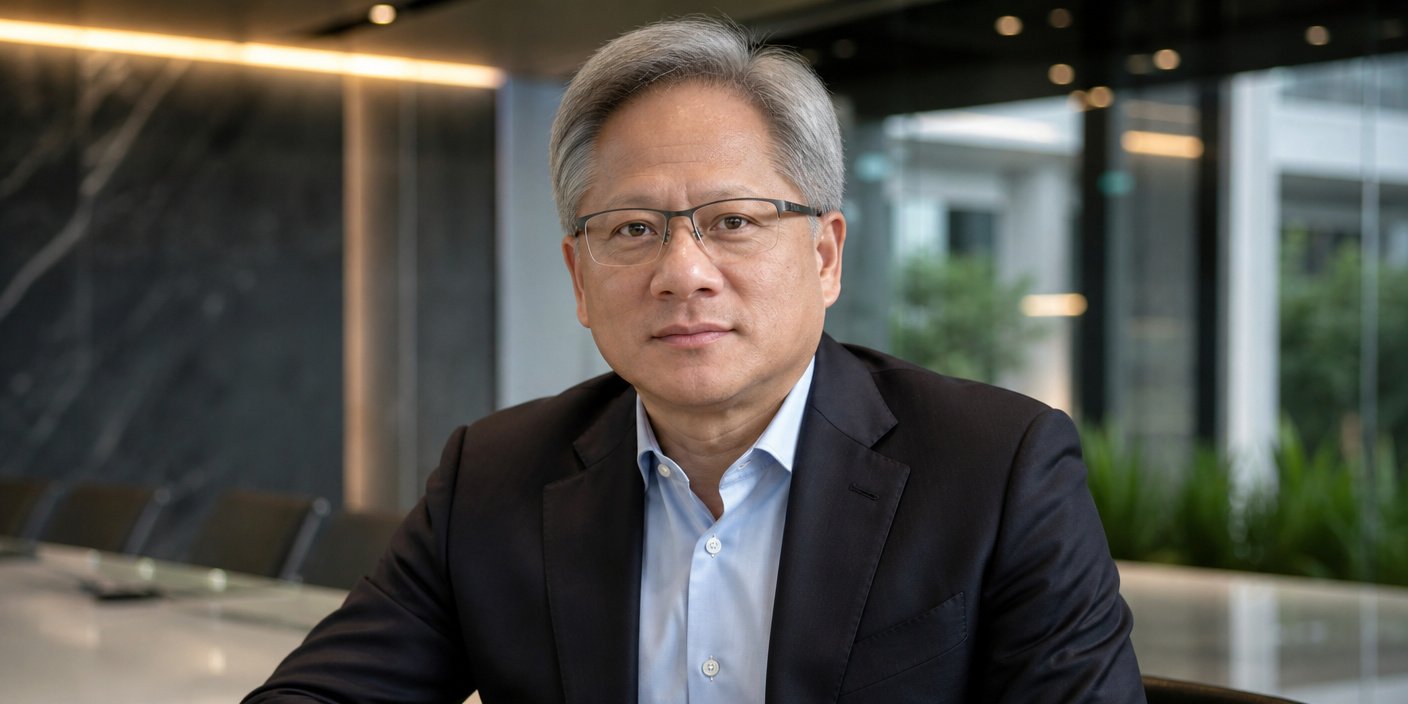
House Democrats have formally initiated an oversight investigation into the sudden reinstatement of Nvidia CEO Jensen Huang, leveling accusations that the Trump administration exerted improper pressure on the semiconductor giant’s board of directors. The controversy, which has sent shockwaves through Wall Street, centers on whether corporate governance at one of the world’s most critical technology firms has been compromised by Executive Branch intervention in the pursuit of market stabilization.
Key Highlights
- Congressional Probe Launched: House lawmakers are moving toward a high-stakes public hearing to examine the timeline of Jensen Huang’s return and the board’s decision-making process.
- Allegations of Interference: Democrats allege that the Trump administration prioritized short-term market optics over proper corporate due diligence, creating a dangerous precedent for private sector autonomy.
- Supply Chain Scrutiny: The investigation aims to uncover the full extent of Huang’s international business ties, specifically questioning if these relationships pose a long-term national security risk.
- Governance Concerns: Legal analysts are highlighting the potential breach of fiduciary duty if the board acted under duress rather than in the interest of shareholders.
The Governance Crisis: Nvidia’s Leadership Controversy
The tension between the Democratic caucus and the executive branch has reached a boiling point following the announcement that Jensen Huang would reassume his role as CEO of Nvidia. While the markets initially rallied on the news, the political fallout has been swift and severe. Democratic members of the House Financial Services Committee have characterized the leadership transition not as a routine corporate adjustment, but as a byproduct of a “shadow negotiation” involving White House officials, raising fundamental questions about the independence of the American corporate apparatus.
The “Interference” Allegation
At the heart of the Democratic critique is the allegation that the Trump administration effectively pressured Nvidia’s board to reinstate Huang to mitigate volatility in the semiconductor sector. Critics argue that this maneuver circumvented standard corporate governance protocols. By effectively “installing” a CEO to stabilize a market segment deemed essential to national infrastructure, the administration may have crossed a line from regulatory oversight into active management of private enterprise. “The board of a public company is accountable to its shareholders, not the President of the United States,” noted one ranking committee member. The upcoming hearings are expected to subpoena internal communications between White House economic advisors and Nvidia’s independent directors to determine if such pressure occurred.
Congressional Oversight and the Path to Hearings
The push for a public hearing represents a significant escalation. Lawmakers are seeking to establish whether the board’s decision-making was tainted by political coercion. The scope of the inquiry is broad, targeting board minutes, communications, and the specific terms of Huang’s return package. This is not merely an investigation into a single corporate hiring decision; it is a constitutional test of the limits of executive power over the private sector. The committee intends to demand testimony from board members to understand what alternatives were considered and whether they were pressured to abandon standard succession planning in favor of the administration’s preferred outcome.
The National Security-Business Nexus
Perhaps the most contentious aspect of this investigation involves Jensen Huang’s deep-rooted international business ties. For years, Nvidia has navigated a complex global supply chain, with significant reliance on manufacturing hubs in East Asia. Democrats have long voiced concerns that such high levels of foreign dependency expose the U.S. technology sector to leverage by foreign powers. By forcing the reinstatement of a CEO with such extensive, and some argue, precarious international entanglements, the administration may have deepened America’s dependency on offshore fabrication facilities. The committee will likely press for a full disclosure of Nvidia’s foreign liabilities and the potential for these relationships to be weaponized against U.S. interests.
Market Implications and Future Volatility
The uncertainty surrounding these hearings has already begun to manifest in the equity markets. Investors are increasingly wary of “regulatory risk”—the fear that political squabbling could lead to punitive measures or legislative action that undermines Nvidia’s operations. If the hearings reveal that the board was, in fact, co-opted by the administration, it could trigger a wave of shareholder derivative lawsuits. Furthermore, this situation sets a precarious precedent: if the Executive Branch can influence the leadership of one tech giant, where does the interference stop? The market is currently pricing in a “policy risk premium,” causing fluctuations in semiconductor sector valuations as institutional investors weigh the potential for a prolonged legislative battle against the inherent value of Nvidia’s AI-driven business model.
As Congress prepares to take this fight to the public stage, the focus remains on whether transparency will prevail. The outcome of these hearings could fundamentally reshape the relationship between the federal government and the Silicon Valley power structure, potentially leading to new, more rigid regulatory frameworks regarding corporate governance and foreign supply chain reliance. For now, Nvidia stands at the center of a perfect storm, caught between the demands of its shareholders, the expectations of the administration, and the intense scrutiny of the legislative branch.
FAQ: People Also Ask
1. Why are Democrats specifically targeting Nvidia’s board in this inquiry?
Democrats are targeting the board to determine if the reinstatement of Jensen Huang was the result of a legitimate, independent corporate process or if the board acted under duress due to external pressure from the Trump administration. The goal is to ensure that corporate independence remains protected from political interference.
2. What are the primary concerns regarding Jensen Huang’s international business ties?
Critics are concerned that Huang’s deep, long-standing relationships with foreign manufacturing hubs create a national security vulnerability. Lawmakers want to ensure that these ties do not provide foreign actors with undue leverage over critical U.S. semiconductor technology, especially given the current geopolitical climate.
3. Could these congressional hearings lead to actual sanctions or policy changes?
While hearings are primarily fact-finding, they can lead to legislative drafting. This could result in new regulations requiring stricter oversight of leadership appointments in companies deemed critical to national security or new mandates regarding supply chain transparency and foreign dependency disclosures.
4. How has the Trump administration responded to these allegations?
While the administration has maintained that its interest in Nvidia is purely centered on market stability and economic growth, officials have largely characterized the Democratic investigation as politically motivated overreach designed to disrupt a successful corporate recovery strategy.

Related Posts