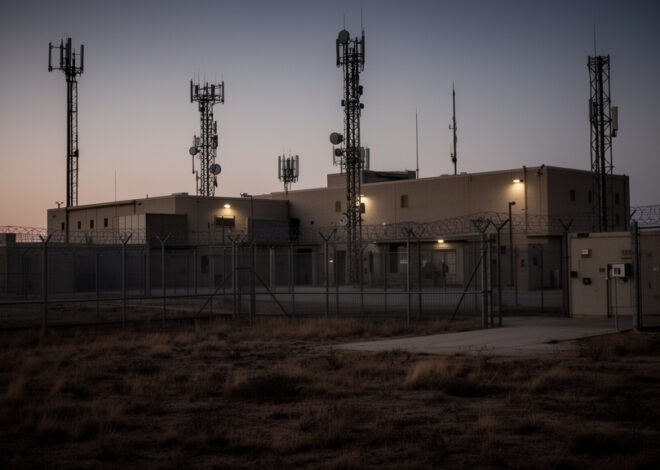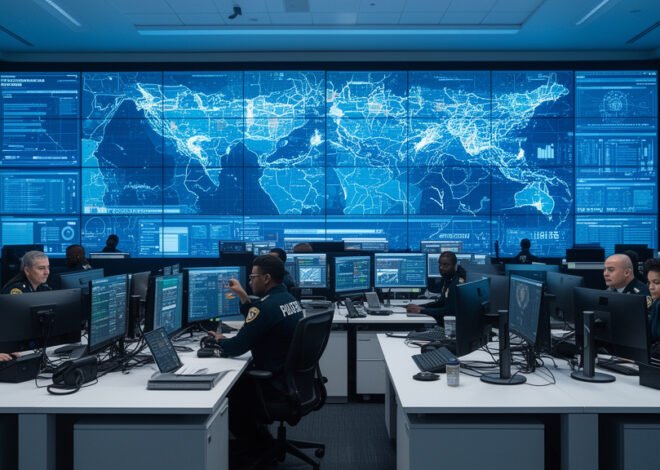
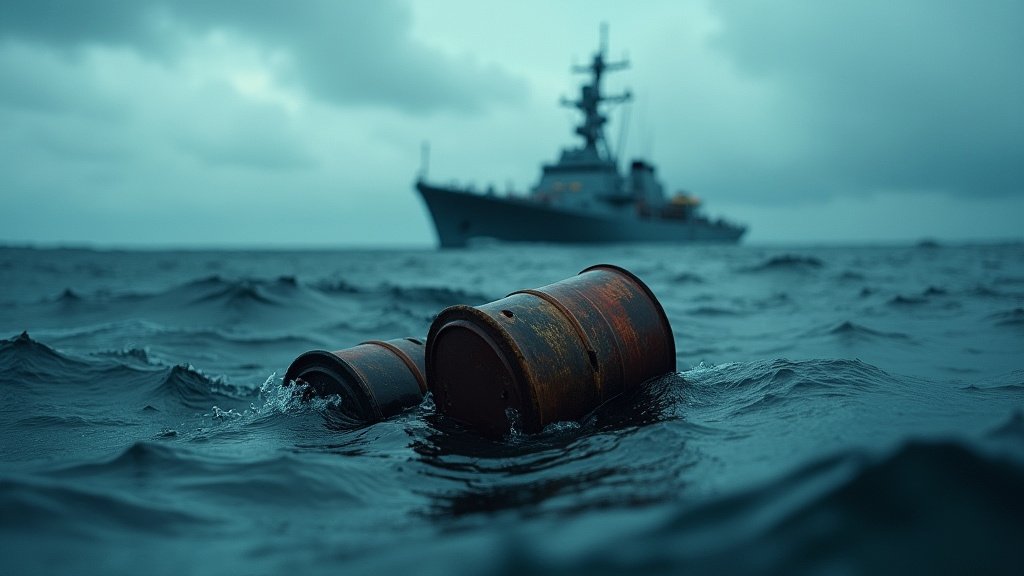
Iran Strait Tensions: Warships Targeted Amidst Trump’s War Stance
Tensions have escalated in a critical global waterway as U.S. warships faced recent attacks, casting a spotlight on President Trump’s complex stance regarding potential military engagement with Iran.
- Recent attacks on U.S. naval vessels in a key strait.
- The incidents raise questions about the administration’s strategy towards Iran.
- President Trump’s past statements suggest a desire to avoid new wars, but also a willingness to project strength.
- The Strait remains a crucial chokepoint for global oil trade.
Naval Confrontation in Strategic Waters
The recent assaults on U.S. naval assets operating in a strategically vital strait have ignited renewed international concern, placing a critical focus on President Donald Trump’s foreign policy approach to Iran. These provocative actions, which have been met with stern warnings from the U.S. military, occur against a backdrop of complex geopolitical maneuverings and historical animosities. The incidents underscore the precarious nature of maritime security in regions vital to global commerce and have placed heightened scrutiny on the Trump administration’s commitment to de-escalation versus its willingness to employ force to protect national interests and allies.
Historical Context of Strait Tensions
The Strait, a narrow passage connecting the Persian Gulf to the Gulf of Oman, has long been a flashpoint for regional conflicts and a critical artery for global energy supplies. Throughout history, various naval powers have sought to control or influence passage through this vital waterway. Incidents involving the harassment or targeting of commercial and military vessels have occurred periodically, often linked to broader regional rivalries. The U.S. Navy’s presence is aimed at ensuring freedom of navigation and deterring aggression, a mission that has become increasingly challenging in the face of persistent threats.
Trump’s Foreign Policy Doctrine and Iran
President Trump’s approach to foreign policy has been characterized by a blend of “America First” principles, a transactional view of international relations, and a sometimes unpredictable decision-making process. Regarding Iran, his administration has pursued a policy of “maximum pressure,” withdrawing from the Joint Comprehensive Plan of Action (JCPOA) and reimposing stringent sanctions. Despite this hardline stance, Trump has also expressed a desire to avoid entering new conflicts, famously stating his intention to end “endless wars.” This apparent dichotomy creates a complex dynamic, where escalating tensions could be met with both retaliatory military action and a strong diplomatic push to avoid wider confrontation. The recent attacks may test this delicate balance.
Economic Ramifications of Maritime Instability
Any significant disruption to shipping in the Strait carries profound economic consequences. A substantial portion of the world’s oil supply transits this waterway daily. Escalated hostilities could lead to a surge in global energy prices, impacting economies worldwide. Insurance rates for vessels operating in the region would likely skyrocket, further increasing the cost of trade. Beyond oil, the disruption of container shipping could have ripple effects across global supply chains, affecting the availability and price of a vast array of consumer goods. The interconnectedness of the global economy means that instability in this single chokepoint can have far-reaching and detrimental effects.
Geopolitical Implications and Regional Alliances
The attacks also have significant geopolitical implications, potentially reshaping regional alliances and international cooperation. Allies of the United States in the region are closely watching the administration’s response, as their own security is intrinsically linked to the stability of maritime routes. A perceived weakness or overreaction from the U.S. could embolden adversaries or undermine confidence among partners. Conversely, a measured and effective response could reinforce deterrence and de-escalate tensions. The international community, including organizations like the United Nations, will likely play a role in diplomatic efforts to prevent further escalation and ensure the unimpeded flow of commerce.
FAQ: People Also Ask
Q: What is the significance of the Strait in terms of global trade?
A: The Strait is one of the world’s most critical chokepoints for oil transport, with a significant percentage of global oil supplies passing through it daily. Its strategic location also makes it vital for general maritime commerce.
Q: What has been President Trump’s general policy towards Iran?
A: President Trump’s policy towards Iran has largely focused on imposing “maximum pressure” through sanctions, particularly after withdrawing the U.S. from the JCPOA. However, he has also expressed a desire to avoid initiating new wars.
Q: How might attacks in the Strait affect oil prices?
A: Attacks or significant disruptions in the Strait could lead to a sharp increase in global oil prices due to concerns about supply shortages and increased shipping risks and costs.
Q: What is the historical context of naval incidents in this region?
A: The region has a history of maritime incidents and tensions, often linked to geopolitical rivalries and efforts to control or influence vital shipping lanes. U.S. naval presence aims to ensure freedom of navigation.
Q: What role do international bodies like the UN play in such situations?
A: International bodies like the UN can play a crucial role in diplomatic efforts to de-escalate tensions, facilitate dialogue between involved parties, and uphold international maritime law to ensure safe passage.


Related Posts