Nepal Plunged into Crisis as PM Oli Resigns Amidst Deadly Gen Z Anti-Corruption Protests
KATHMANDU, NEPAL – Prime Minister K.P. Sharma Oli resigned on Tuesday, September 9, 2025, following days of escalating, violent anti-corruption protests that have shaken the nation and resulted in multiple fatalities. The demonstrations, largely spearheaded by Generation Z activists, saw thousands take to the streets, leading to clashes with security forces and a significant political upheaval in the Himalayan country.
The Spark: Social Media Ban Ignites Widespread Discontent
The recent unrest was initially triggered by the government’s nationwide ban on 26 social media platforms, including Facebook, X, and YouTube, on September 4. Officials cited non-compliance with new digital service regulations as the reason for the ban. However, critics and the youth-led movement viewed this as a blatant attempt to stifle freedom of expression and silence dissent, particularly as the country grappled with issues of corruption and economic inequality. This move directly impacted a generation heavily reliant on digital platforms for communication, organizing, and livelihood.
Escalation to Violence and Fatalities
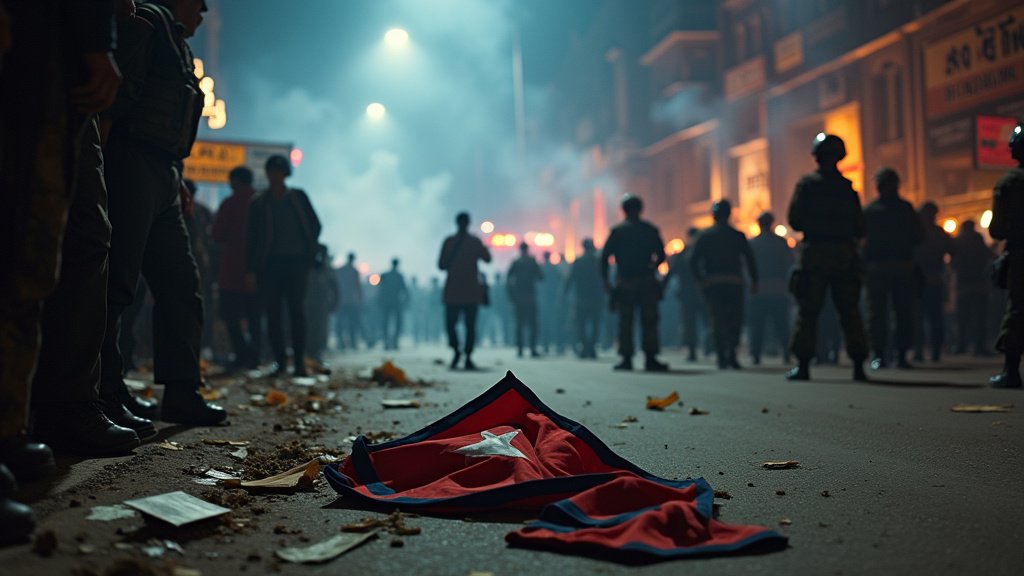
What began as peaceful rallies against the social media ban quickly morphed into widespread demonstrations against deep-seated corruption, nepotism, and perceived misgovernance by the political elite. The protests, characterized by youth demanding accountability, escalated dramatically on September 8 when security forces responded to breaches of restricted zones with tear gas, water cannons, rubber bullets, and, according to reports, live ammunition. The crackdown resulted in the deaths of at least 19 protesters on Monday alone, with hundreds more injured. This violence fueled further outrage, with demonstrators targeting government buildings, politicians’ residences, and media outlets across major cities.
Political Fallout and Resignations
The mounting casualties and intensified public anger placed immense pressure on Prime Minister Oli’s administration. In the wake of the bloodshed, Home Minister Ramesh Lekhak resigned on moral grounds, acknowledging the gravity of the situation. Prime Minister Oli, facing a deepening crisis and widespread calls for his resignation, submitted his own resignation letter to President Ram Chandra Poudel, stating his intent to facilitate a political solution. His departure marks an end to a tenure that saw him champion nationalist policies but ultimately crumble under the weight of internal unrest and accusations of authoritarianism.
National Security and Infrastructure Impact
The unfolding national crisis had tangible impacts on public life and infrastructure. Due to safety concerns amidst the pervasive unrest, Tribhuvan International Airport in Kathmandu was shut down for flights. This led to hundreds of Indian travelers, including devotees and tourists, being stranded, with airlines cancelling numerous flights. The Nepal Army announced it would assume command of all security operations from Tuesday evening, September 9, aiming to restore order and prevent further anarchy. The army issued an ultimatum to end the chaos and urged citizens to refrain from destructive acts, while also appealing for cooperation in maintaining national unity.
Deeper Grievances Fueling the Uprising
Beyond the immediate triggers, the Gen Z-led protests tapped into decades of accumulated frustration among Nepal’s youth. High youth unemployment, a significant portion of the population working abroad for remittances, and a stark contrast between the lavish lifestyles of political elites and the struggles of ordinary citizens fueled a profound disillusionment. Viral social media content showcasing the opulence of politicians’ children, juxtaposed with widespread poverty, served as a powerful catalyst for the youth movement. This generation, deeply connected through digital networks, demanded transparency, accountability, and a fundamental shift in governance.
The Path Forward: An Interim Government and Reform Calls
Following Prime Minister Oli’s resignation, Nepal faces a period of political uncertainty. The nation’s constitution now mandates the formation of a new government. President Poudel accepted Oli’s resignation and called for dialogue. Reports indicate that former Supreme Court Chief Justice Sushila Karki has been appointed as the interim Prime Minister, making her the first woman to hold the office. Her immediate challenge will be to restore calm, address the protesters’ demands for accountability and reform, and prepare the country for new elections, scheduled for March 5, 2026. The recent news underscores a critical juncture for Nepal, as its youth demand a more responsive and corruption-free future for their nation.


Related Posts