Global Wellness Sector Surges: Longevity, Healthspan, and Integrated Living Drive Trillions
The Global Wellness Sector is experiencing unprecedented growth, transforming how people live, age, and interact with their environments. With projections indicating a market valuation soaring into the trillions, recent developments reveal a Global Wellness Sector increasingly focused on longevity, personalized health, and the integration of wellness into every facet of life. This signifies a profound shift in consumer priorities and investment within the global wellness industry.
The Longevity Revolution in the Global Wellness Sector
The pursuit of extended healthspan and lifespan is no longer a niche interest but a central driver of the wellness economy. The global longevity and anti-senescence therapy market, valued at over $25 billion in 2020, is projected to reach $44.2 billion by 2030, with some estimates suggesting the overall longevity market could surpass $314 billion by the same year, fueled by advancements in AI, gene therapy, and a growing awareness of anti-aging products. This burgeoning field is even making its way into academia, with healthy longevity medicine becoming a mandatory subject in medical school curricula in several countries, signaling a fundamental shift in healthcare’s approach to aging. This focus on living better for longer is shaping consumer behavior, with a growing demand for products and services that support proactive health management and a desire to optimize years of life, not just add years. Understanding longevity market growth is crucial for navigating the future of the Global Wellness Sector.
Wellness Trends: From Hormones to Homes in the Global Wellness Sector
Consumer priorities are shifting, with several key trends shaping the wellness landscape. Hormonal health, particularly for women, is gaining significant attention, challenging historical neglect in medical research and fostering a rise in peer support and FemTech solutions aimed at more personalized and non-invasive care. Euromonitor’s analysis highlights functionality as key, with gut health leading the charge in functional foods and beverages, alongside a growing interest in “smart protein” and the metabolic health implications of GLP-1 therapies. Furthermore, the concept of “wellness real estate” is booming, demonstrating robust annual growth rates and showing that consumers are actively reshaping their homes and living environments to support physical and mental well-being. This sector, estimated to be worth $438 billion in 2023, is significantly outpacing overall construction growth, with consumers seeking out features like advanced air and water filtration, natural light, and proximity to green spaces. These wellness real estate trends are a significant component of the Global Wellness Sector.
Next-Generation Consumers and Specialized Offerings in the Global Wellness Sector
The influence of younger generations is reshaping industries, with Generation Alpha (born 2010-2024) already making a measurable impact on the beauty market. These digital natives are early adopters of skincare routines and influenced by social media, driving demand for ingredient transparency, effective formulas, and aesthetically pleasing products. Brands are responding by catering to this demographic with age-appropriate products and social-first marketing strategies. On the other end of the spectrum, specialized wellness offerings are expanding, from women-focused health programs and menopause care becoming workplace perks, to the rise of TCM bars in China and the booming cosmetic tourism sector. These specialized wellness offerings reflect the diverse demands within the Global Wellness Sector.
Major Investments and Landmark Wellness Destinations in the Global Wellness Sector
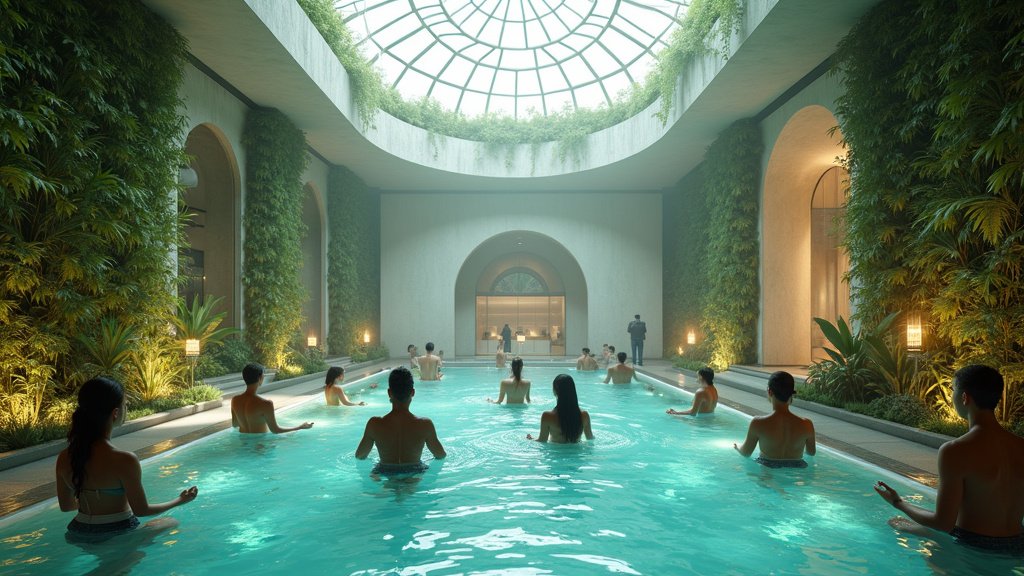
The financial commitment to wellness is staggering, with numerous companies securing substantial funding rounds. For instance, longevity startup Blueprint recently raised $60 million, while other ventures like Recess and Cymbiotika have also attracted significant investment. This capital infusion is fueling innovation and expansion, highlighting strong wellness investment trends. Demonstrating the scale of ambition, major wellness destinations are in development worldwide. Singapore is set to unveil a $765 million wellness oasis by Therme, designed to be Asia’s first social wellness destination, integrating thermal pools, art, and nature. Similarly, a $520 million wellness village is planned for Oman, aligning with the country’s Vision 2040 to diversify its economy through high-quality tourism and lifestyle offerings. These ambitious projects underscore the global commitment to developing integrated spaces that prioritize health and holistic well-being, a key aspect of the Global Wellness Sector.
A New Era of Wellness
The recent news in the Global Wellness Sector paints a picture of an industry that is not only growing at an accelerated pace but also becoming more sophisticated and integrated into daily life. From deep scientific exploration into healthspan and lifespan to the fundamental redesign of living spaces and the emergence of new consumer cohorts, wellness is solidifying its position as a top purchase motivator and a dominant force in the global economy. The focus is increasingly on proactive health, personalized solutions, and creating environments that support a longer, healthier, and more fulfilling life. The evolution of the Global Wellness Sector is set to redefine modern living.


Related Posts