
Sleepmaxxing: The Viral Wellness Trend Experts Say Prioritizes Basics Over Biohacks
In the ever-evolving landscape of wellness, the Sleepmaxxing Trend has captured the attention of social media users. This recent phenomenon, largely popularized on platforms like TikTok, centers on the idea of optimizing sleep to achieve peak performance, enhance physical health, and improve overall well-being. While the concept of prioritizing rest is undeniably beneficial, experts are weighing in, emphasizing that many sleepmaxxing techniques are a modern rebranding of long-established sleep hygiene principles, and cautioning against the potential pitfalls of an obsessive pursuit of ‘perfect’ sleep. The Sleepmaxxing Trend is more than just a fad; it’s a reflection of our collective desire for better health through improved rest. Understanding the Sleepmaxxing Trend helps navigate the advice available.
What is the Sleepmaxxing Trend?
Sleepmaxxing, a term that evokes the self-optimization culture seen in trends like ‘gymmaxxing’ or ‘biohacking sleep’, positions sleep not merely as a recovery period, but as a crucial investment in one’s daily functioning and long-term health. Enthusiasts, or ‘sleepmaxxers’, often adopt a wide array of routines and utilize various products to maximize their nightly rest. These can range from the seemingly simple, such as adhering to strict pre-bedtime showering schedules or ensuring a perfectly cool, dark sleep environment, to more elaborate practices like mouth taping, consuming specific supplements such as magnesium or tart cherry juice, and employing advanced gadgets like weighted blankets, white noise machines, and sophisticated sleep trackers. The underlying belief is that by meticulously controlling and enhancing sleep, individuals can unlock increased energy, sharper focus, a more robust immune system, and even better metabolic health. The Sleepmaxxing Trend encourages a holistic approach to sleep optimization.
The Science and Skepticism Behind the Sleepmaxxing Trend
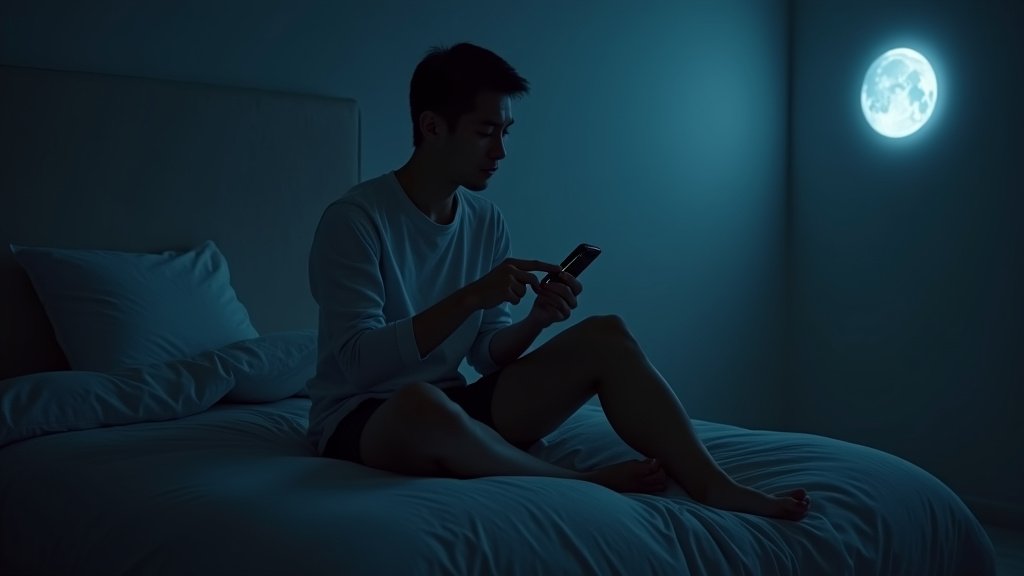
Many of the popular sleepmaxxing strategies align with foundational sleep hygiene practices, which have been scientifically supported for decades. These include maintaining a consistent sleep schedule, creating a dark and quiet bedroom, and limiting screen time before bed. However, the trend also includes more unconventional and controversial hacks. For instance, mouth taping, intended to encourage nasal breathing, carries risks, particularly for individuals with sleep apnea or nasal congestion, as it can potentially restrict airflow. Similarly, while some sleep aids and gadgets might offer comfort or a placebo effect, their efficacy for the general population is often not strongly supported by robust scientific evidence. The Sleepmaxxing Trend, while promoting good habits, also includes dubious viral sleep hacks.
Experts also voice concerns about the potential for sleepmaxxing to foster an unhealthy obsession with achieving perfect sleep. This can paradoxically lead to increased anxiety and a condition known as ‘orthosomnia risks’, where the very act of worrying about sleep quality disrupts it. The constant tracking of sleep data through wearables, for example, can become a source of stress if individuals focus too much on scores rather than how they feel upon waking. This is a significant concern regarding the Sleepmaxxing Trend.
Reverting to Foundational Sleep Hygiene Principles
While the buzz around the Sleepmaxxing Trend highlights a positive, recent societal shift towards recognizing sleep as a cornerstone of health, akin to nutrition and exercise, the consensus among medical professionals is that fundamental sleep hygiene remains the most effective and safest approach for most people. This involves establishing regular sleep-wake cycles, optimizing the sleep environment, and adopting relaxing pre-sleep routines that signal the body it’s time to wind down, rather than engaging in potentially risky or anxiety-inducing hacks. The goal of sleep optimization is better achieved through these established sleep hygiene principles.
For individuals experiencing persistent sleep difficulties, such as chronic insomnia, frequent awakenings, or feeling unrefreshed despite adequate time in bed, experts strongly advise seeking professional guidance. Sleep specialists can help identify underlying medical or behavioral issues, such as sleep apnea or chronic insomnia, and recommend evidence-based treatments like cognitive behavioral therapy for insomnia (CBT-I). Relying solely on viral trends and products may mask deeper problems and delay effective treatment. Getting expert sleep advice is crucial for navigating complex sleep issues.
In essence, while the Sleepmaxxing Trend has commendably elevated the conversation around sleep’s importance, its most valuable contribution may be a renewed appreciation for the tried-and-true fundamentals of good sleep hygiene. The news from the wellness world is that true sleep optimization lies not in a collection of trendy hacks, but in consistent, healthy habits and professional support when needed. This aligns with broader wellness trends, but it’s important to distinguish between beneficial practices and potential drawbacks within the Sleepmaxxing Trend.


Related Posts