The 2026 Wellness Shift: From AI Diagnostics to ‘Boy Kibble’
The 2026 wellness landscape is currently undergoing its most radical transformation in a decade, characterized by a jarring intersection of high-tech automation and fringe, primal biohacking. As consumers move away from generic fitness apps, the market has pivoted toward hyper-personalized, often controversial solutions that promise to optimize everything from cognitive clarity to gut health. Driven by an aging demographic and a post-pandemic obsession with self-optimization, the current wellness economy is no longer just about ‘wellness’—it is about engineered human performance. This year’s definitive trends range from the ubiquitous integration of AI-driven health counseling to the resurgence of pseudo-scientific detox regimens, signaling a complex and often polarized era for personal health.
Key Highlights
- The AI Diagnostic Takeover: AI chatbots have moved beyond basic scheduling to provide real-time, actionable medical advice, raising concerns among traditional practitioners regarding data privacy and diagnostic accuracy.
- The ‘Boy Kibble’ Phenomenon: A surging trend in ultra-convenient, nutrient-dense pelletized food specifically marketed to young men, prioritizing efficiency over traditional meal culture.
- The Parasite Cleanse Resurgence: Despite fierce pushback from gastroenterologists, extreme detox protocols claiming to eliminate ‘hidden parasites’ have seen a 40% growth in social media engagement and retail sales.
- Data-Driven Sovereignty: Consumers are increasingly moving away from closed-system health devices in favor of open-source bio-monitoring tools.
The Anatomy of the 2026 Wellness Economy
As of the second quarter of 2026, the wellness industry is estimated to be worth over $6.2 trillion globally, according to the Global Wellness Institute (GWI). However, the character of this spending has shifted. The focus has moved from ‘lifestyle fitness’—gym memberships and athleisure—to ‘biometric optimization.’ This paradigm shift is driven by the belief that with enough data and the right biological intervention, the human body can be programmed like software.
The AI Health Chatbot Revolution
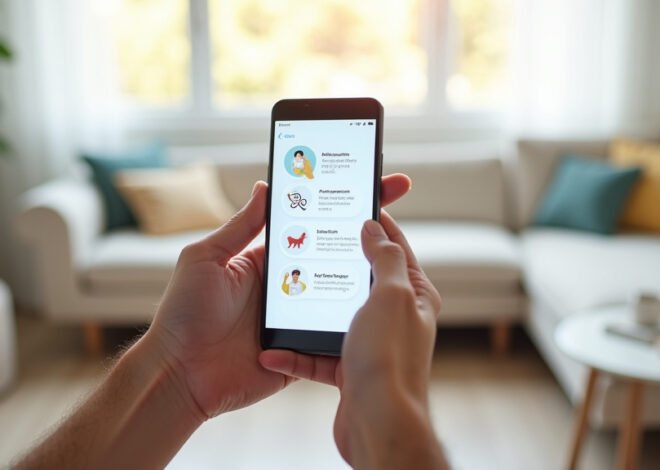
AI has become the primary gatekeeper of health information for the average consumer. Tools developed by firms like The HealthAI Syndicate have surpassed traditional telemedicine in user engagement. These LLM-based interfaces analyze real-time input from wearable devices—glucose monitors, heart rate variability sensors, and sweat-analysis patches—to provide instant, synthesized health advice. While convenient, this has created a ‘diagnostic vacuum’ where users are bypassing primary care physicians for immediate, algorithm-generated solutions. Critics argue that these systems, while efficient, lack the contextual nuance of human doctors, potentially leading to anxiety-driven health behaviors.
The Rise of ‘Boy Kibble’
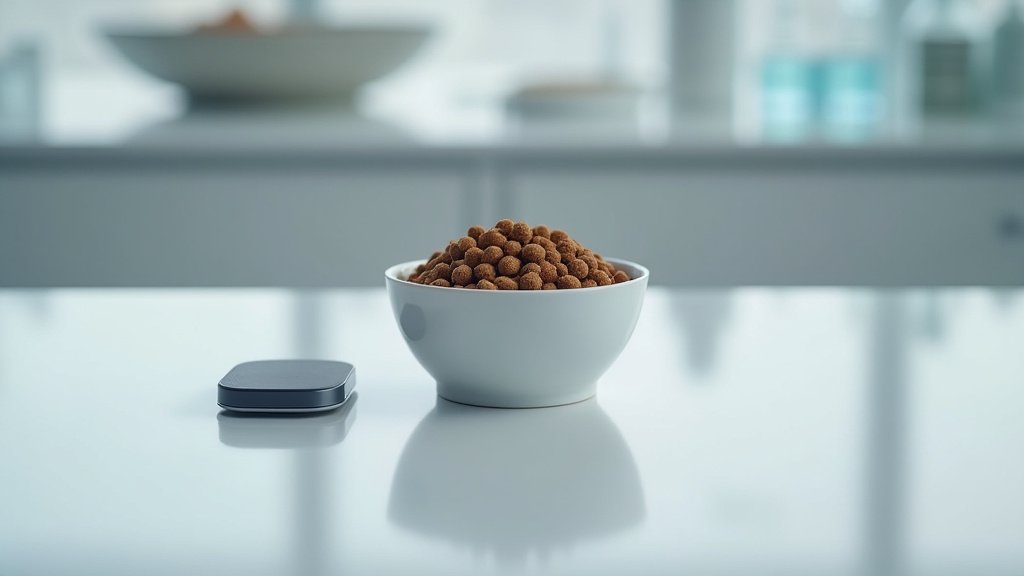
Perhaps the most unexpected trend of 2026 is the mainstreaming of ‘Boy Kibble.’ Developed by firms such as Nutritional Dynamics Research Group, these products are essentially hyper-dense, shelf-stable, micronutrient-enriched food pellets. The marketing targets the ‘efficiency-first’ demographic: young professionals who view traditional meal preparation as a caloric and temporal inefficiency. These products contain synthetic proteins, nootropics for cognitive focus, and balanced macro-nutrients. While nutritionists have raised red flags regarding the long-term metabolic effects of exclusively eating processed pellets, the segment has seen a 115% increase in venture capital funding since early 2025.
The Controversial Return of Parasite Cleanses
While modern medicine focuses on precision, a vocal, viral subculture is championing the ‘Parasite Cleanse.’ Influenced by digital health gurus, these protocols rely on harsh herbal supplements, frequency therapy, and strict elimination diets. Proponents claim that mysterious fatigue, brain fog, and chronic inflammation are all symptoms of undiagnosed parasitic infections. While the medical establishment maintains that these conditions are largely unsubstantiated, the retail market for ‘cleanse kits’ has exploded, particularly in major urban centers. This reflects a deep-seated distrust in institutionalized medicine, fueling a ‘do-it-yourself’ approach to physiological troubleshooting.
The Eight Other Pillars of 2026 Wellness
Beyond these top three, the remaining eight trends defining the year include:
1. Circadian Rhythm Fasting (CRF): Advanced fasting schedules locked to internal chronobiology markers.
2. Personalized Nutrigenomics: Direct-to-consumer DNA kits that determine your ‘perfect’ diet based on genetic predispositions.
3. Virtual Reality Meditation Escapes: Immersive, AI-generated environments designed to induce deep REM states.
4. Home-based Microbiome Culturing: The trend of DIY probiotic ‘brewing’ to personalize gut flora.
5. Post-workout Cryo-tents: Portable, high-pressure cold therapy units for home use.
6. Frequency Medicine / Sound Healing: Using targeted sonic vibrations to ‘realign’ biological systems.
7. Nootropic-infused Sparkling Beverages: The replacement of alcohol with complex blends of cognitive enhancers.
8. Digital Detox Sanctuaries: High-cost, location-isolated retreats with zero-signal zones, marketed as ‘humanity re-boots.’
Economic and Ethical Implications
From an economic standpoint, the rapid commodification of these trends indicates a market that is increasingly fragmented. We are seeing a move toward ‘wellness silos,’ where different demographics subscribe to entirely different, often mutually exclusive, health philosophies. The historical context here is critical: wellness has always been cyclical, with ‘detox’ crazes emerging during periods of high systemic stress. However, the economic impact of the 2026 trends is significantly larger due to the seamless integration of digital payment systems and subscription-based health services.
Looking ahead, the primary concern for regulators is the lack of clinical validation for these emerging products. As the line between ‘wellness advice’ and ‘medical diagnosis’ blurs, regulatory bodies will likely struggle to keep pace with the innovation velocity of startups. For the consumer, the challenge remains: navigating a landscape that is as technologically impressive as it is scientifically unproven.
FAQ: People Also Ask
Q: Is ‘Boy Kibble’ actually healthy for long-term consumption?
A: Most registered dietitians advise against relying on these products as a sole source of nutrition. While they are engineered to meet basic macro-nutrient requirements, they lack the complex fiber, phytonutrients, and satiety-regulating properties of whole foods.
Q: Are AI chatbots legally responsible for health advice they give?
A: As of 2026, most AI health platforms operate under strict ‘informational purposes only’ disclaimers, effectively shielding them from medical malpractice liability. Users are encouraged to view them as supplemental tools, not replacements for professional medical counsel.
Q: What is the medical consensus on parasite cleanses?
A: The mainstream medical community, including the AMA and major gastroenterological associations, largely views the current parasite cleanse trend as pseudoscientific. They emphasize that while parasitic infections are real, they are usually detectable via standard laboratory tests and require targeted pharmaceuticals, not unverified herbal protocols.
Q: How can I distinguish between a valid wellness trend and a scam?
A: Look for peer-reviewed studies published in reputable medical journals. If a trend relies heavily on social media testimonials rather than transparent clinical data, it should be approached with extreme skepticism.


Related Posts