Urban Oases: Apartment Gardening Blooms as 2026 Wellness Trend
Apartment gardening is poised to become a significant wellness trend in 2026, offering urban dwellers a direct connection to nature and a host of mental and physical health benefits. This burgeoning movement transforms small living spaces into green sanctuaries, promoting mindfulness, fresh food access, and a deeper appreciation for the natural world.
Key Highlights:
- Transforming urban living spaces into green, therapeutic environments.
- Boosting mental well-being through connection with nature and a mindful hobby.
- Providing access to fresh, homegrown produce, enhancing nutrition and food security.
- Fostering a sense of accomplishment and community among urban gardeners.
The Rise of the Urban Green Thumb
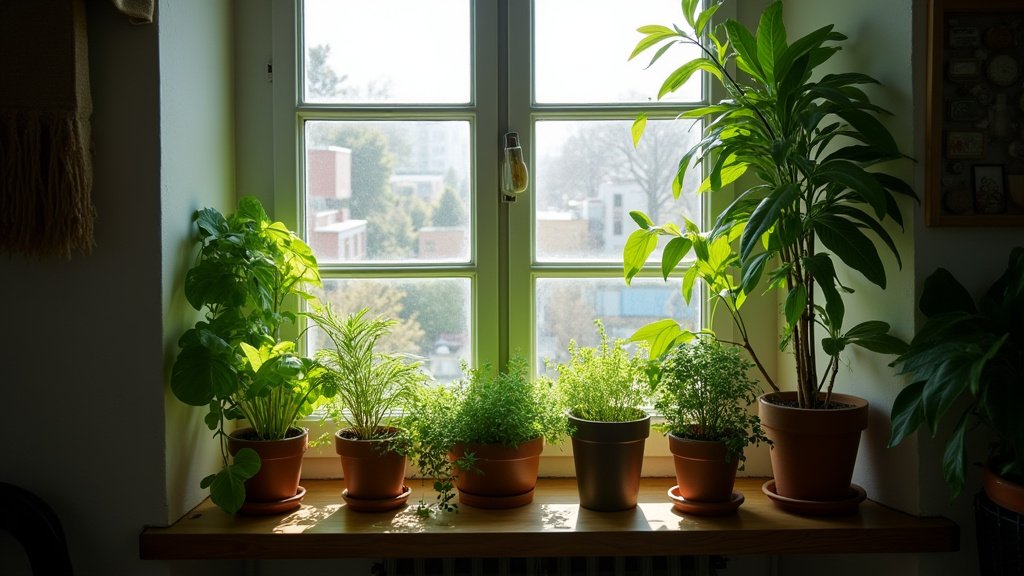
The concept of bringing nature indoors has been steadily growing, but apartment gardening is set to explode in popularity as a mainstream wellness practice by 2026. With increasing urbanization, many people find themselves disconnected from green spaces. Apartment gardening offers a tangible solution, allowing individuals to cultivate their own small ecosystems, whether it’s a few herbs on a windowsill or a more elaborate vertical garden on a balcony. This trend is driven by a growing awareness of the mental health benefits associated with horticultural activities, often referred to as ‘horticultural therapy’.
Cultivating Calm: Mental Health Benefits
Engaging in gardening, even on a small scale, has profound effects on mental well-being. The act of nurturing plants, observing their growth, and tending to their needs can be a deeply meditative practice. It provides a much-needed respite from the stresses of city life, encouraging mindfulness and present-moment awareness. Studies have shown that spending time with plants can reduce stress, anxiety, and symptoms of depression. The simple act of watering, pruning, and repotting can become a form of active meditation, grounding individuals and fostering a sense of peace.
Nourishing the Body: Health and Nutrition
Beyond mental benefits, apartment gardening directly impacts physical health. Growing one’s own herbs, vegetables, and fruits means having access to the freshest possible produce. This not only enhances the flavor and nutritional value of meals but also promotes healthier eating habits. For many urban residents, the ability to grow even a small amount of their own food can improve food security and reduce reliance on store-bought produce, which may have traveled long distances and lost nutrients. Imagine snipping fresh basil for your pasta or plucking ripe cherry tomatoes from your balcony – it’s a direct connection to the source of your sustenance.
Innovation in Small Spaces
Advancements in horticultural technology are making apartment gardening more accessible than ever. Vertical gardening systems, hydroponic and aeroponic setups, and smart grow lights are enabling people to maximize limited space and grow a wider variety of plants. These innovative solutions require less soil, water, and space, making them ideal for apartment dwellers. Companies like AeroFarms and Plenty are at the forefront of developing these urban farming technologies, proving that significant food production can occur even in densely populated areas. Furthermore, community gardening initiatives are also playing a role, providing shared spaces and resources for apartment residents to garden collectively.
The Community Garden Connection
While individual apartment gardening is on the rise, so too are community-based initiatives. Shared garden plots and rooftop farms within apartment complexes or in urban neighborhoods foster a sense of community and shared purpose. These spaces allow residents to connect with like-minded individuals, share knowledge and resources, and collectively enjoy the fruits of their labor. This social aspect of gardening further enhances its wellness appeal, combating urban isolation and building stronger neighborhood bonds.
FAQ: People Also Ask
What are the easiest plants for apartment gardening?
For beginners, easy-to-grow plants include herbs like basil, mint, parsley, and chives; leafy greens such as spinach, lettuce, and kale; and small vegetables like cherry tomatoes and chili peppers. Succulents and snake plants are also excellent choices for low-maintenance indoor greenery.
How much sunlight do apartment gardens need?
Sunlight requirements vary by plant. Most vegetables and herbs need at least 6-8 hours of direct sunlight per day. If natural sunlight is limited, consider using grow lights. Leafy greens and some herbs can tolerate partial shade.
Can I grow vegetables in a small apartment balcony?
Absolutely. Balcony gardening is a fantastic way to grow produce. Utilize vertical planters, railing planters, and containers of various sizes. Ensure your balcony can support the weight of pots filled with soil and plants, and check any building regulations regarding balcony use.
What are the benefits of apartment gardening for mental health?
Apartment gardening offers numerous mental health benefits, including stress reduction, anxiety relief, improved mood, and a sense of accomplishment. The act of caring for plants can be meditative, promoting mindfulness and providing a connection to nature that is often lacking in urban environments.
What is the most efficient way to garden in limited space?
Vertical gardening systems, such as wall-mounted planters or tiered shelves, are highly efficient for maximizing space. Hydroponic or aeroponic systems, which don’t require soil and can be very compact, are also excellent options for limited-space gardening.


Related Posts