
Orban Ousted: TISZA Party Wins Landslide Victory in Hungary
Hungary has undergone a seismic political realignment. In a stunning result that has reverberated throughout the European Union and beyond, the opposition Tisza party, led by political newcomer Péter Magyar, has decisively defeated Prime Minister Viktor Orban’s ruling coalition in the April 12, 2026, parliamentary elections. With 98% of the votes counted, the National Election Office (NEO) has confirmed that Tisza secured a projected 138 of the 199 parliamentary seats, comfortably surpassing the two-thirds threshold required to enact constitutional changes. Viktor Orban, who has served as Prime Minister for 16 consecutive years, officially conceded defeat, marking the end of a pivotal era in modern Hungarian history.
Key Highlights
- Historic Victory: Péter Magyar’s Tisza party achieved a projected 53% of the vote, securing a super-majority (138 seats) in the 199-member parliament.
- End of an Era: The result officially ends Viktor Orban’s 16-year governance, forcing his Fidesz-KDNP coalition into the opposition with 55 seats.
- Record Turnout: Voter participation hit a historic 77.8%, reflecting deep public engagement and a widespread desire for change.
- Platform Mandate: The Tisza party campaigned on a platform centered on anti-corruption, restoring the rule of law, and repairing Hungary’s strained relationships with the European Union and NATO.
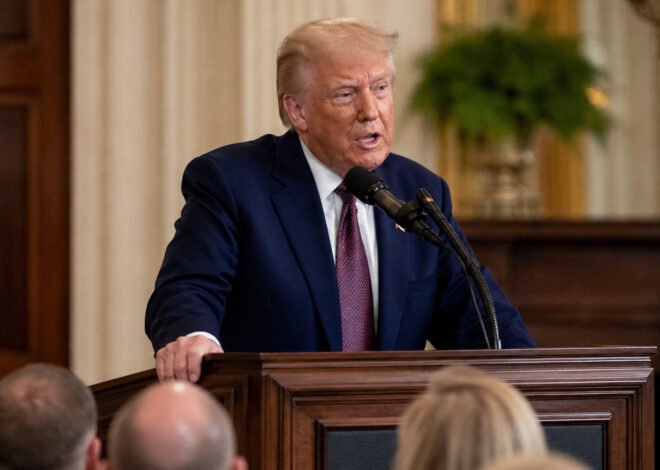
- Orban’s Concession: The outgoing Prime Minister acknowledged the “painful but unambiguous” result, signaling a peaceful transition of power.
The Political Earthquake: How TISZA Reshaped Hungary’s Future
The election of April 12, 2026, will be studied by historians for decades as the moment Hungary pivoted away from the “illiberal democracy” championed by Viktor Orban. The rise of the TISZA party—an acronym for Tisztelet és Szabadság Párt (Respect and Freedom Party)—was meteoric. Just two years ago, Péter Magyar was an insider within the Fidesz orbit; today, he stands as the architect of the most significant political shift in post-communist Hungary.
The Rise of Péter Magyar
The narrative of Péter Magyar’s campaign was one of relentless energy. Visiting up to six towns per day, he bypassed the state-controlled media apparatus that had long shielded Orban from direct scrutiny. Magyar’s messaging was simple yet potent: he focused on the tangible failures of the current government—deteriorating healthcare, crumbling public transportation, and the systemic corruption that has alienated Hungary from its European partners. By framing the election not as a traditional left-vs-right battle, but as a contest between the future and a stagnant past, he built a coalition that transcended traditional party lines, appealing to disgruntled conservatives and liberal voters alike.
Dismantling the Fidesz Hegemony
For 16 years, Fidesz-KDNP operated with near-total control over Hungary’s legislative, judicial, and media institutions. The result of this election is not merely a change in government; it is a mandate for institutional reform. The two-thirds majority won by TISZA grants Magyar the constitutional power to reverse years of legislative changes that critics argued eroded the independence of the judiciary and the press.
Analysts note that the victory was driven by a massive mobilization of the youth vote. With nearly 80% turnout, the Hungarian electorate made it clear that the status quo—characterized by persistent inflation, economic isolation within the EU, and the concentration of power—was no longer sustainable. The “Tisza wave” was a rejection of the fear-based rhetoric that defined recent election cycles, replacing it with a call for European reintegration and economic transparency.
The Geopolitical Ripple Effect
Orban’s defeat is a major blow to the global nationalist movement. Having positioned himself as a key ally to figures like Donald Trump and a disruptor within the European Union, Orban’s fall signals a shift in the continent’s power dynamics. European Commission President Ursula von der Leyen was among the first to welcome the result, stating that “Hungary has chosen Europe.”
For the EU, a TISZA-led government represents a potential breakthrough in unlocking frozen funds and stabilizing regional policy. Magyar has pledged to restore relations with Brussels, promising a cooperative approach that contrasts sharply with the confrontational style of the Orban administration. This shift will likely have cascading effects on Hungary’s stance on key issues, including aid to Ukraine and common defense initiatives, bringing the nation back into the fold of the European consensus.
A New Chapter for Hungary
While the celebratory atmosphere on the banks of the Danube continues, the work of governance lies ahead. Magyar faces the daunting challenge of dismantling an entrenched system without triggering instability. The transition of power will be the first of its kind in over a decade and a half, testing the resilience of Hungarian democracy. As Orban transitions to the role of opposition leader, the coming months will demonstrate whether the Fidesz-KDNP alliance will attempt to obstruct the new government or if Hungary will experience a period of constructive political transition. For now, the overwhelming sentiment in Budapest is one of relief and anticipation—a belief that the nation has reclaimed its path toward a more open, accountable, and European future.
FAQ: People Also Ask
1. What does the TISZA party win mean for Hungary’s relationship with the EU?
It signals a major thawing of relations. Péter Magyar has campaigned on repairing ties, meeting EU standards for the rule of law, and working to unfreeze developmental funds that were previously withheld due to concerns over corruption.
2. Is Viktor Orban leaving politics entirely?
No. Orban has confirmed that his Fidesz-KDNP alliance will continue to serve the country from the opposition. He stated, “We are going to serve the Hungarian nation and our homeland from opposition as well.”
3. Why was this election considered such a major upset?
Orban had spent 16 years building a robust electoral system that heavily favored his party, including gerrymandering and deep control over media. Many analysts believed the structural hurdles were too high for any opposition party to overcome, making TISZA’s landslide victory a historic anomaly.
4. What is the immediate priority for the new government?
Based on their platform, the primary focus will be on anti-corruption measures, addressing the crisis in the public healthcare system, and restoring the independence of key state institutions that were heavily politicized during the Fidesz era.


Related Posts