US Blockades Iran, Strikes Escalate Amid Energy Export Threats
US Reimposes Blockade, Intensifies Strikes Amid Heightened Tensions with Iran
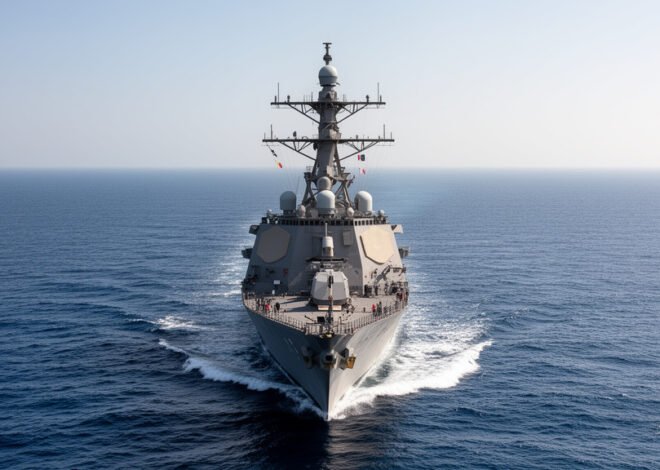
The United States military re-established a naval blockade on Iran and significantly ramped up its airstrike campaign on Wednesday, July 15, 2026. This aggressive action is a direct response to Iran’s recent attacks on commercial shipping in the critical Strait of Hormuz. The intensified U.S. military operations, including strikes on dozens of targets overnight and into daylight hours, aim to degrade Iran’s capacity to threaten maritime trade. This escalation marks a significant unraveling of a fragile interim deal and pushes the region closer to a broader conflict.
Key Developments and Retaliatory Actions
U.S. Central Command (CENTCOM) confirmed that a wave of strikes was executed to diminish Iran’s ability to menace commercial vessels. Within 17 hours of the blockade’s reinstatement, U.S. forces reportedly intercepted two commercial vessels attempting to circumvent the blockade. A key target of these strikes was Greater Tunb Island, recognized for its strategic importance in the Strait of Hormuz. The ongoing exchanges have also seen Iran launch missile and drone attacks against U.S. allies, with Kuwait, Bahrain, and Jordan reporting incoming threats. Jordan confirmed shooting down three Iranian missiles, while Iran has claimed responsibility for these attacks.
Human Cost and Economic Threats
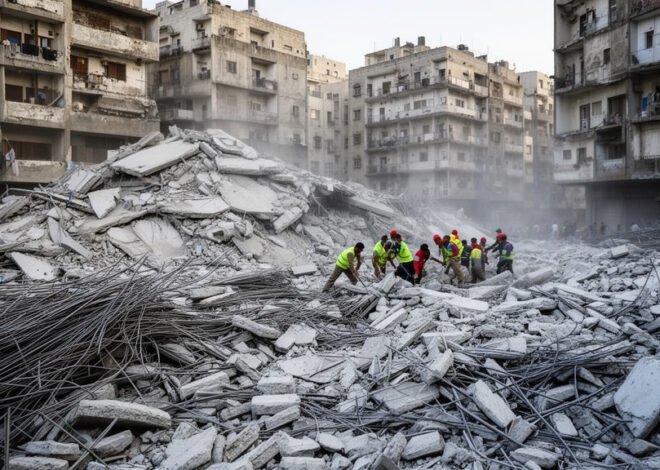
Iranian officials report a significant human toll from the recent U.S. airstrikes, with at least 30 civilians killed and over 260 injured across the country in recent days. Seven Iranian soldiers were also reported killed in a strike on an army barracks in Bampur County, Sistan and Baluchestan province. In response to the U.S. blockade and strikes, Iran’s paramilitary Revolutionary Guard issued a stark warning, threatening to halt all energy exports from the Middle East. “The export of oil and gas from the region will be either for everyone or for no one,” stated the Guard, underscoring the potential for severe global economic disruption.
Historical Context and Stalled Negotiations
The current escalation shatters an interim deal signed in mid-June, which had temporarily paused the fighting and initiated 60 days of negotiations on issues including Iran’s nuclear program. These talks have now stalled, with the intensified fighting over the Strait of Hormuz taking center stage. The U.S. had previously imposed and then lifted a blockade in April and June, respectively, as part of diplomatic efforts. The ongoing conflict threatens to push the region back into full-scale war, with significant implications for global energy supplies, which at peacetime rely on the Strait of Hormuz for roughly one-fifth of all oil and natural gas trade.
International Reactions and Aviation Warnings
The United Arab Emirates has strongly condemned Iran’s renewed hostile attacks on Bahrain, Kuwait, and Jordan. The Gulf Cooperation Council (GCC) and Egypt have also issued condemnations, warning of a dangerous escalation that threatens regional security. Amidst the rising tensions, the European Union Aviation Safety Agency (EASA) issued an advisory warning airlines against flying through airspace in Bahrain, Kuwait, Qatar, the United Arab Emirates, and parts of the Gulf of Oman, citing the high risk in the region until at least July 29.
Future Outlook and Escalation Concerns
U.S. President Donald Trump has warned of further escalation, stating that U.S. strikes could expand next week to target Iranian power plants and bridges if Tehran does not return to the negotiating table. This aggressive stance highlights the fragile nature of the current de-escalation attempts and the potential for a prolonged and wider conflict, with significant geopolitical and economic ramifications.
FAQ: People Also Ask
What led to the reimposition of the U.S. naval blockade on Iran?
The U.S. reimposed the naval blockade on Iran in retaliation for Tehran’s attacks on commercial ships attempting to pass through the Strait of Hormuz.
What are Iran’s threats regarding energy exports?
Iran’s paramilitary Revolutionary Guard has threatened to halt all energy exports from the Middle East if the U.S. blockade continues, stating that “the export of oil and gas from the region will be either for everyone or for no one.”
Which U.S. allies did Iran attack with missiles and drones?
Kuwait, Bahrain, and Jordan reported incoming Iranian missile and drone attacks. Jordan confirmed shooting down three missiles, and Iran has claimed responsibility for these attacks.
What are the reported casualties from the U.S. strikes in Iran?
Iranian officials have reported at least 30 civilians killed and over 260 injured across the country in recent days due to U.S. airstrikes. Additionally, seven Iranian soldiers were reported killed in a strike on an army barracks.
What is the significance of the Strait of Hormuz in this conflict?
The Strait of Hormuz is a crucial waterway through which approximately one-fifth of the world’s oil and natural gas trade passes during peacetime. Control over this strait is a central point of contention in the ongoing conflict between the U.S. and Iran, with significant implications for global energy supplies.


Related Posts