U.S. Escalates Trade Policy: New 10-12.5% Tariffs Hit 60 Nations
In a decisive shift in international economic policy, the United States has officially enacted a new series of tariffs impacting 60 of its trade partners. The new measures, which impose levies ranging from 10% to 12.5% on imported goods, represent a significant pivot toward domestic protectionism and a deliberate restructuring of existing global trade frameworks. The announcement, confirmed by the Office of the United States Trade Representative (USTR), aims to address long-standing trade imbalances, incentivize domestic manufacturing, and bolster national economic security.
Key Highlights
- Scope: 60 unique international trade partners are subject to the new tariff schedule.
- Rates: Tariff applications are tiered between 10% and 12.5% based on product category and country of origin.
- Objective: The administration cites the need to protect domestic industries and reduce reliance on fragile global supply chains.
- Market Impact: Global markets have responded with increased volatility as industries scramble to reassess cost structures and logistics strategies.
The New Tariff Landscape: Analyzing the Economic Realignment
The implementation of these tariffs marks a fundamental departure from the status quo of open trade policies. By introducing a baseline 10% to 12.5% tariff on a broad spectrum of 60 trading partners, the U.S. government is attempting to leverage its market size to fundamentally alter the pricing dynamics of imported goods. This move is designed to force a re-evaluation of current offshore manufacturing strategies that have historically prioritized low labor costs over supply chain resilience.
Impact on Global Supply Chain Resilience
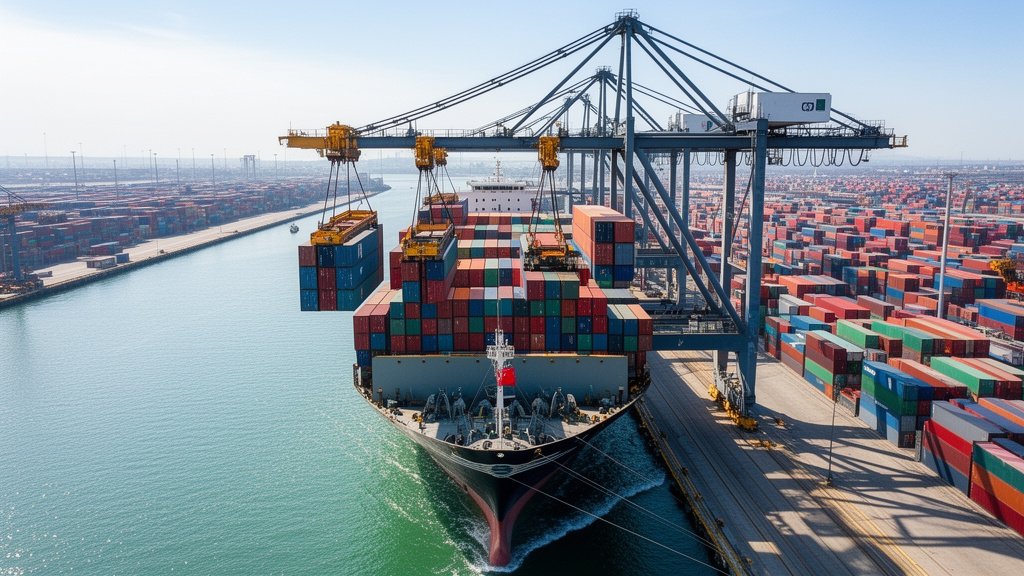
The most immediate consequence of this policy is the disruption of the ‘just-in-time’ logistics model. For decades, multinational corporations have relied on highly integrated, multi-nation supply chains. With these new tariffs in effect, the cost-benefit analysis of sourcing components from these 60 nations changes overnight. Companies are now being pressured to ‘near-shore’ or ‘friend-shore’ their production, potentially driving a localized manufacturing boom within North America. However, economists warn of a transitional period characterized by inflationary pressure, as the cost of these tariffs is likely to be passed on to the consumer in the short to medium term.
Regulatory Framework and Institutional Response
The USTR and the United States International Trade Commission (USITC) are now tasked with the complex administration of these tariffs. Unlike blanket policies of the past, this framework utilizes a modular approach, allowing for specific exemptions on critical materials that are not currently available domestically. This nuanced strategy is intended to mitigate the impact on essential industries, such as pharmaceuticals and high-tech components, while still providing broad protection for domestic manufacturing sectors.
Legal experts are already anticipating a surge in challenges at the World Trade Organization (WTO). Many of the 60 affected partners have indicated they are reviewing their legal options to challenge the consistency of these tariffs with existing international trade agreements. The WTO faces a critical test, as this unilateral action challenges the efficacy of current dispute resolution mechanisms in an era of heightened economic nationalism.
Sectoral Consequences: From Tech to Textiles
Not all sectors are impacted equally. The 12.5% bracket targets finished consumer goods and industrial machinery, where domestic alternatives are deemed ‘viable but underutilized.’ Conversely, the 10% bracket is focused on raw materials and semi-finished goods, reflecting a strategy to keep industrial input costs stable while discouraging the importation of finished products.
Tech companies, particularly those relying heavily on consumer electronics assembled abroad, are expected to bear the brunt of these costs. Analysts suggest this could accelerate the migration of tech manufacturing to secondary markets that might avoid the highest tariff tiers or incentivize more aggressive automation within U.S. borders. For the automotive industry, the impact is double-edged; while domestic car production may benefit from the protection, the cost of imported raw materials—such as specialized steel and aluminum—is projected to climb, placing pressure on profit margins across the sector.
FAQ: People Also Ask
Q: Which 60 countries are affected by these new tariffs?
A: The list is extensive and spans multiple continents, encompassing major G20 nations as well as emerging markets that have significant trade volumes with the United States. The full list of affected partners is accessible through the official USTR portal, categorized by specific commodity codes.
Q: How will this affect consumer prices?
A: While it is difficult to predict exact price fluctuations, economic models suggest that a portion of the 10% to 12.5% tariff will likely be passed through to consumers by retailers, potentially contributing to short-term inflationary trends in consumer electronics, automotive parts, and household appliances.
Q: Is there an exemption process for companies?
A: Yes, the USTR has outlined a formal exclusion process for companies that can demonstrate that a specific product is unavailable from domestic sources or that the tariff would cause severe economic harm to their operations. Applications for exclusions are processed on a rolling basis by the USITC.
Q: Does this violate WTO rules?
A: The legality of these tariffs under WTO rules is currently being debated. The U.S. administration argues that the tariffs fall under national security and emergency economic power exceptions, while critics maintain that these measures constitute an illegal trade barrier under current international treaties.


Related Posts