Ex-Amon Carter Chief Walker Joins Fort Works Art
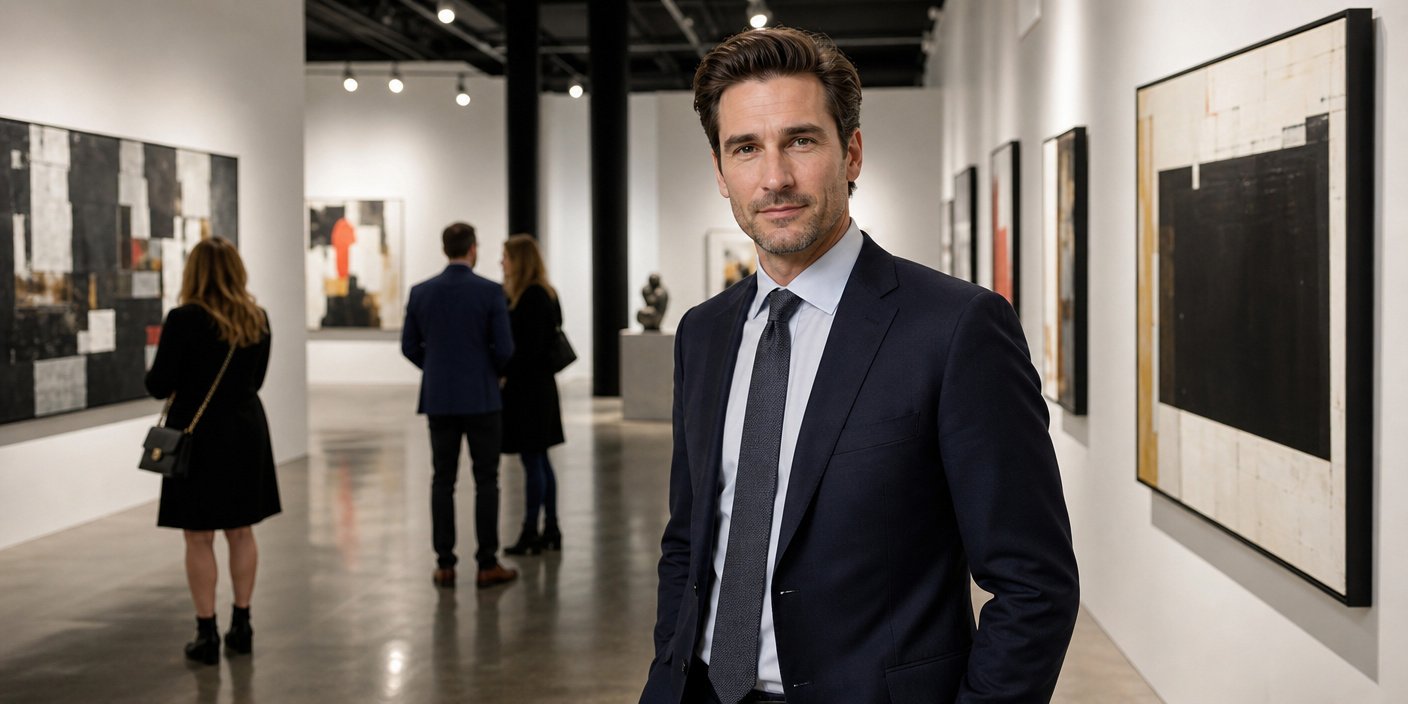
Andrew J. Walker, the veteran arts administrator who previously served as the director of the Amon Carter Museum of American Art, has officially joined the contemporary gallery Fort Works Art. In this significant professional transition, Walker will step into the role of chief curatorial and strategic executive. This appointment marks a pivotal moment for the Fort Worth art scene, as a seasoned institutional leader pivots to the private gallery sector with the explicit mandate of bolstering the gallery’s national programming and long-term strategic growth.
Key Highlights
- Institutional Pivot: Andrew J. Walker moves from a prominent museum directorship at the Amon Carter Museum of American Art to the private contemporary gallery sector.
- Strategic Growth: The primary focus of Walker’s new role at Fort Works Art is to expand the gallery’s national influence and develop its long-term strategic vision.
- Professionalization: The move signals a broader trend in the North Texas art market, where independent galleries are increasingly seeking high-level institutional expertise to elevate their curatorial programs.
From Institutional Mastery to Gallery Innovation
The appointment of Andrew J. Walker to Fort Works Art represents more than a simple career change; it signifies a structural evolution for the Fort Worth art market. When a museum director of Walker’s pedigree—having navigated the complexities of endowment management, public trust, historical curation, and large-scale exhibition logistics—decides to move into the commercial gallery space, the entire ecosystem takes notice.
Fort Works Art, founded by Lauren Childs, has established itself as a vibrant, contemporary presence in the regional landscape. However, by bringing Walker on board, the gallery is signaling an ambition that transcends local market success. The move is designed to inject institutional-grade rigor into the gallery’s operations, ensuring that the programming—while commercial—adheres to the high-level critical discourse and exhibition standards usually reserved for non-profit museum spaces. This hybrid model, often seen in top-tier markets like New York or London, is gaining traction in Texas, where the demand for serious, curated art experiences is outpacing the supply.
The Strategic Objective: National Scaling
For Fort Works Art, the inclusion of an executive with Walker’s background is a play for national relevance. Historically, private galleries have often operated in silos, focusing on local collectors and regional sales. Walker’s mandate is to break through those limitations. His experience in museum governance provides the necessary infrastructure to manage artist estates, negotiate institutional loans, and build international partnerships—all of which are vital for a gallery looking to scale its reputation.
Walker’s expertise is not just about curation; it is about visibility. By applying museum-level scholarship to the gallery’s rotation of exhibitions, Fort Works Art aims to become a destination for critics, collectors, and institutional curators from across the country. This strategic growth is likely to involve a more sophisticated approach to digital outreach, a refined focus on high-impact thematic exhibitions, and a potential increase in the gallery’s participation in major national art fairs.
The Maturation of the North Texas Art Ecosystem
The North Texas region has long been anchored by world-class institutions like the Amon Carter, the Kimbell Art Museum, and the Modern Art Museum of Fort Worth. However, the commercial tier of the market has often felt disparate from these pillars of cultural heritage. Walker’s move bridges this gap. By moving from the Amon Carter to a private gallery, Walker is effectively legitimizing the role of the independent gallery as a major player in the broader cultural economy.
This shift reflects a wider industry trend where the line between the ‘white cube’ of the gallery and the curatorial hall of the museum is becoming increasingly porous. Collectors are demanding more than just decorative art; they are seeking art that is historically significant, rigorously researched, and curated with an eye toward longevity. Walker, with his deep history in American art scholarship, is uniquely positioned to translate these institutional values into a commercial context.
Future Predictions and Industry Impact
As Walker begins his tenure, several key developments are expected. First, we anticipate a sharp rise in the level of scholarly exhibition catalogs produced by Fort Works Art. This will assist in validating the work of represented artists for secondary market success and institutional acquisition. Second, expect to see the gallery forge closer relationships with national museums, perhaps facilitating the movement of works from their private roster into public collections.
Ultimately, this is a test case for how a gallery can operate with the soul and structure of a museum. If successful, it could set a new blueprint for gallery management in the 21st century, proving that private enterprises can achieve the same level of influence and historical weight as their public counterparts. The success of this move will hinge on Walker’s ability to balance the fast-paced, sales-driven environment of a gallery with the deliberate, slow-growth strategies that define museum administration.
FAQ: People Also Ask
Q: What was Andrew J. Walker’s primary role at the Amon Carter Museum?
A: Andrew J. Walker served as the Director of the Amon Carter Museum of American Art, where he oversaw the institution’s operations, curatorial direction, and strategic planning, cementing his reputation as a major figure in American art.
Q: What is the specific title Andrew J. Walker holds at Fort Works Art?
A: Walker has taken on the role of chief curatorial and strategic executive at the gallery.
Q: Why is this move significant for the Fort Worth art market?
A: The move is significant because it represents the transfer of high-level institutional expertise into the private gallery sector, signaling a maturing of the local market toward more sophisticated, museum-grade curatorial practices and national outreach.
Q: Who founded Fort Works Art?
A: Fort Works Art was established by Lauren Childs, who has been a central figure in cultivating the contemporary art scene in Fort Worth.


Related Posts