Flores Island Devastated: 38 Confirmed Dead in 7.7 Magnitude Quake
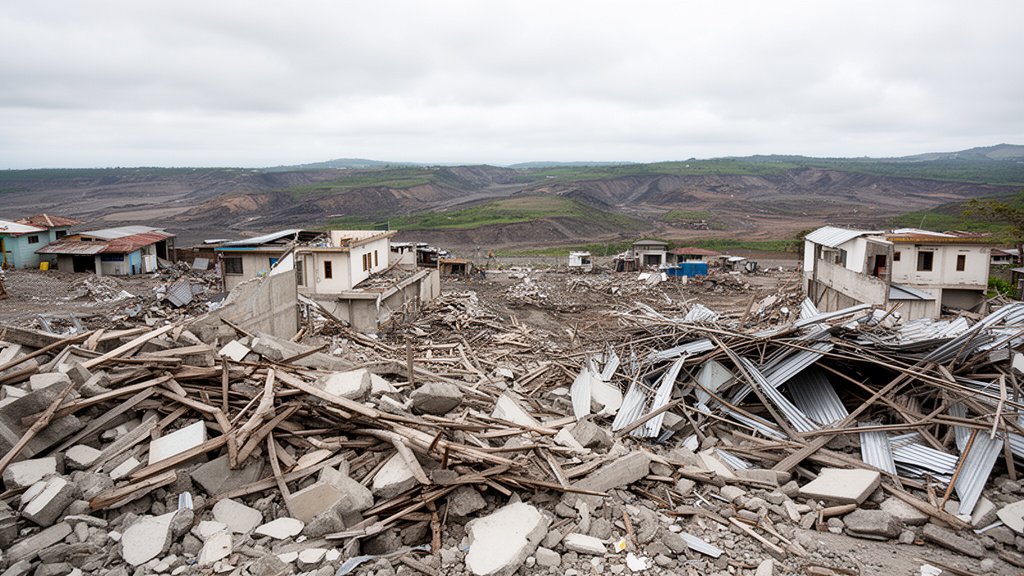
A catastrophic 7.7 magnitude earthquake struck the waters off the coast of Flores Island, Indonesia, early Saturday, triggering immediate panic and leaving a trail of destruction that has resulted in the confirmed deaths of at least 38 people. The tremors, which occurred in the early hours, caused significant structural damage across the island, reducing residential and commercial buildings to rubble and forcing thousands into the streets. While authorities initially issued a tsunami warning due to the intensity of the undersea seismic activity, the alert was officially lifted several hours later after tidal gauges showed no significant water level irregularities. Emergency response teams, including military personnel and local rescue units, are currently deployed in the hardest-hit areas, navigating complex debris fields to reach trapped survivors.
Key Highlights
- Casualties: At least 38 fatalities have been confirmed, with local hospitals reporting a surge in admissions for moderate to severe injuries.
- Magnitude & Epicenter: The earthquake registered a magnitude of 7.7, centered off the coast of Flores Island, causing violent shaking across the region.
- Infrastructure: Widespread reports of collapsed residential homes, public buildings, and disrupted electricity lines in rural districts.
- Tsunami Protocol: A tsunami warning was issued immediately following the quake but was lifted later in the day after monitoring stations reported no abnormal wave activity.
- Rescue Efforts: Search and rescue teams are currently excavating collapsed structures, prioritizing the recovery of individuals trapped under debris.
The Aftermath: Assessing the Structural and Human Toll in Flores
The impact of the 7.7 magnitude earthquake on Flores Island has been severe, with rural and coastal communities bearing the brunt of the seismic energy. Initial damage assessments indicate that the combination of the quake’s depth and the specific soil composition in the region exacerbated the structural failures. Many older buildings, which were not constructed to withstand high-magnitude seismic events, suffered total collapses.
Geological Context: Why Flores is a Seismic Hotspot
Indonesia sits squarely on the Pacific Ring of Fire, one of the most geologically active regions in the world. The collision of the Indo-Australian and Eurasian tectonic plates creates immense pressure that is periodically released in the form of powerful earthquakes. Flores Island, in particular, lies near a complex subduction zone. Geologists emphasize that the 7.7 magnitude event was the result of a sudden “thrust fault” slip, a movement common in this region but capable of generating significant surface waves that radiate outward, causing devastation even at a distance from the epicenter.
While the 7.7 magnitude is high, the depth of the hypocenter—the point of origin underground—played a critical role in the extent of the damage. A shallower hypocenter often results in more violent surface shaking, which appears to have been the case here. This event serves as a stark reminder of the persistent geological instability that defines the Indonesian archipelago. The Meteorology, Climatology, and Geophysics Agency (BMKG) is currently analyzing seismic data to determine if this quake is a precursor to further aftershocks, which are common following an event of this intensity.
The Logistics of Emergency Response
Rescue operations are the current priority. The sheer volume of debris—broken concrete, twisted metal, and shattered timber—has hampered the movement of heavy machinery into the most affected districts. Search and rescue teams are utilizing a mix of manual excavation tools and canine units to detect signs of life beneath the rubble.
The logistical challenge is compounded by the geographic isolation of some Flores communities. With main roads blocked by landslides and structural collapses, air support and maritime vessels are being utilized to transport medical supplies, food, and emergency water provisions to affected villages. The local hospital systems, already stretched thin, are operating at capacity. Field hospitals are being established by humanitarian organizations to triage incoming victims who cannot be accommodated in the existing, damaged medical facilities.
Structural Vulnerability and Future Resilience
This disaster has reignited the conversation regarding building codes and infrastructure resilience in Indonesia’s more remote regions. While urban centers like Jakarta have implemented stricter seismic building standards, rural areas often lag behind due to resource constraints and the prevalence of non-engineered housing. The total collapse of these structures contributes heavily to the casualty count. Experts suggest that retrofitting initiatives—strengthening the foundations and joints of existing homes with locally available, low-cost materials—could save thousands of lives in future seismic events. Moving forward, the national government is expected to conduct a comprehensive structural safety review to determine which areas of Flores require immediate reconstruction assistance and which zones are deemed too high-risk for residential occupation.
FAQ: People Also Ask
1. Why was the tsunami warning lifted so quickly?
The tsunami warning was lifted because the BMKG monitoring stations, which utilize ocean-floor pressure sensors and coastal tide gauges, did not detect the characteristic wave patterns associated with a tsunami. While the 7.7 magnitude quake was strong, its specific fault mechanism did not displace enough water column to trigger a dangerous surge.
2. How common are earthquakes of this magnitude in Indonesia?
Indonesia experiences high seismic activity due to its location on the Pacific Ring of Fire. Earthquakes of magnitude 7.0 and above occur periodically, though the frequency varies by region. Flores, given its tectonic setting, is prone to such events, making seismic preparedness a crucial component of local planning.
3. What should residents do to prepare for aftershocks?
Residents are advised to move to open, stable ground away from buildings, power lines, and trees that could collapse. Authorities recommend having a “go-bag” with essential supplies, following official BMKG social media channels for real-time updates, and avoiding entering damaged structures that have not been cleared by building inspectors.
4. Is the death toll expected to rise?
It is possible. As search and rescue teams continue to clear debris and reach more isolated districts, it is common for the reported death toll to fluctuate. The initial figure of 38 is considered a preliminary count based on confirmed reports from major medical and emergency facilities.


Related Posts