Trade War Deepens: Canada Hits Back With New US Tariffs
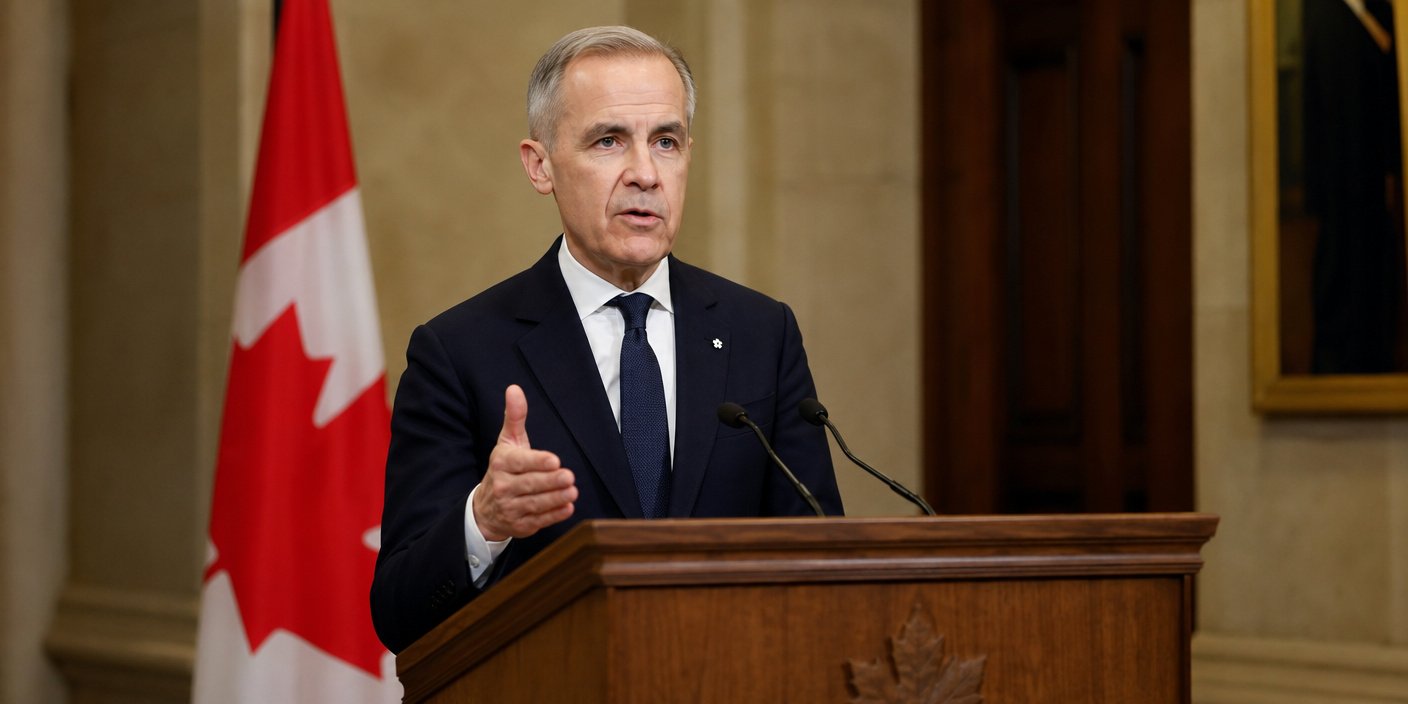
Trade relations between the United States and Canada have reached a precarious juncture as Prime Minister Mark Carney formally announced that Canada will impose a series of retaliatory tariffs effective September 8. This escalation comes in direct response to the United States’ recent implementation of 50% tariffs on a wide array of Canadian goods, a move that has effectively shuttered diplomatic channels and brought bilateral trade negotiations to a complete standstill. As both nations trade blame for the collapse of these talks, industry leaders and economic analysts are warning of a significant period of market volatility, higher consumer prices, and fractured supply chains that could persist well into the next fiscal quarter.
Key Highlights
- Retaliatory Measures: Prime Minister Mark Carney confirmed that Canada will enact specific tariffs on US imports including wine, furniture, and dairy products starting September 8.
- Direct Response: The Canadian move is a tactical counter-measure to the recent 50% tariffs imposed by the US on Canadian exports, which the Canadian government has labeled as a violation of existing trade frameworks.
- Diplomatic Deadlock: Both the US and Canadian delegations have blamed the other for the total collapse of trade negotiations, leaving little room for immediate de-escalation.
- Market Impact: Experts anticipate immediate price hikes for consumers in both nations as businesses scramble to adjust to the new tariff regime.
Escalating Economic Conflict: The Anatomy of a Trade Breakdown
The abrupt termination of trade talks marks a significant departure from decades of established economic integration between the US and Canada. The dispute, which centers on industrial and agricultural protectionism, has rapidly evolved from a policy disagreement into a full-scale trade war. Prime Minister Mark Carney’s administration has characterized the US tariffs as an ‘unprecedented economic provocation,’ while US officials maintain that the tariffs were necessary to address what they describe as long-standing imbalances in cross-border trade practices.
The Catalyst: Breakdown of Trade Diplomacy
The failure of the recent negotiations was not sudden; rather, it was the culmination of weeks of tense discussions that failed to reconcile divergent visions for North American trade. Analysts suggest that the refusal of both parties to make concessions on protected sectors—specifically agriculture and manufacturing—led to the impasse. The blame-shifting from both capitals highlights a deep-seated lack of political willingness to compromise. Prime Minister Carney’s announcement on September 8 is a decisive move to show internal political strength, signaling to domestic producers that the Canadian government will prioritize local industry over maintaining the status quo of open trade.
Economic Impact: Sectors on the Front Line
The choice of sectors for retaliation—wine, furniture, and dairy—is strategic. By targeting high-visibility consumer goods, Canada is aiming to bring the economic pain of the trade war to the forefront of American public awareness. For the US dairy and furniture sectors, these tariffs pose an immediate threat to export volumes. Similarly, Canadian consumers will face the reality of higher costs for American wine and household goods. Economists predict that this cycle of protectionism could force businesses to re-evaluate their reliance on cross-border supply chains, potentially accelerating ‘near-shoring’ initiatives or the search for alternative trading partners in Europe or Asia. The disruption is expected to be most acutely felt by small-to-medium enterprises that lack the capital to absorb increased tariff costs.
Supply Chain Repercussions and Inflation
Beyond the headline sectors, the broader implications for the North American economy are severe. Supply chains between the US and Canada are deeply integrated; many finished goods traverse the border multiple times before reaching the final consumer. A 50% tariff on the US side, met by the Canadian retaliation, creates a ‘double hit’ scenario. Businesses may pass these costs directly to the end-user, exacerbating existing inflationary pressures that have already strained household budgets. Furthermore, the uncertainty surrounding the duration of these tariffs is creating a ‘wait-and-see’ environment, where capital investment is being paused, potentially slowing GDP growth for both nations in the upcoming fiscal cycle.
The Road Ahead: Diplomatic Stalemates and Future Risks
As the September 8 deadline approaches, the possibility of a diplomatic ‘off-ramp’ appears slim. Without a neutral mediator or a significant change in the political mandates of either government, the standoff is likely to persist. Long-term, the risk is not just the immediate loss of trade value, but the erosion of trust that has underpinned the North American trade relationship for generations. If this trade war becomes entrenched, it could force a fundamental restructuring of the North American economy, with both nations seeking to reduce their interdependence. This ‘de-coupling’ is a high-stakes gamble that could redefine the economic landscape of the continent for years to come.
FAQ: People Also Ask
Q: Why did Canada specifically choose wine, furniture, and dairy for these tariffs?
A: These sectors were chosen as strategic targets because they represent significant export volumes for the US, ensuring that the retaliatory measures are felt by US producers and forcing a focus on the economic costs of the current trade policies.
Q: Is there any hope for a resolution before September 8?
A: Currently, both the US and Canadian governments are maintaining hardline positions, and formal talks have effectively collapsed. Unless there is a sudden breakthrough in back-channel diplomacy, the tariffs are expected to go into effect as planned.
Q: How will this impact daily consumer prices?
A: Consumers can likely expect price increases for US-made wine, furniture, and dairy products in Canada, while US consumers may see price fluctuations in Canadian goods that have also been subject to the recent 50% tariff imposition. These costs are frequently passed on to the retail level.


Related Posts