Reno Wildfire Crisis: Thousands Evacuated, Six Injured
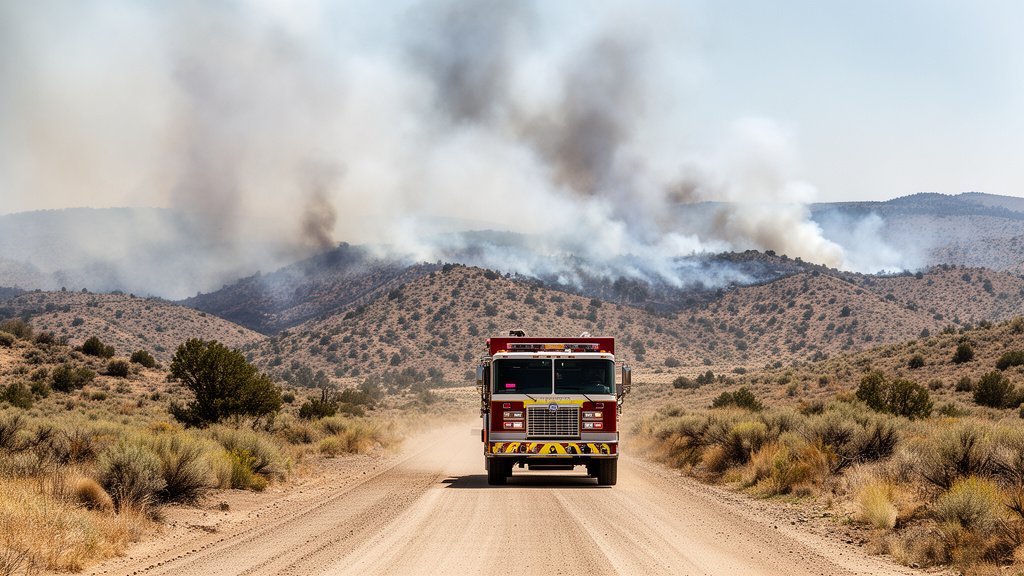
A fast-moving wildfire, confirmed to be human-caused, has forced thousands of residents to flee their homes near Reno, Nevada, as emergency crews battle to contain the rapidly spreading blaze amidst challenging weather conditions. The fire has resulted in at least six injuries—including three civilians and three first responders—highlighting the dangerous reality of the current wildfire season. As authorities work to bring the situation under control, displaced families are navigating the sudden upheaval caused by this critical environmental emergency.
Key Highlights
- Mass Displacement: Thousands of residents in the Reno area have been ordered to evacuate, with emergency shelters established to accommodate those displaced by the encroaching flames.
- Injuries Reported: At least six individuals have sustained injuries in the blaze, comprising three civilians and three brave first responders on the front lines.
- Human-Caused: Investigative teams have preliminarily determined the fire was human-caused, underscoring the vital importance of fire safety protocols in the region.
- Emergency Coordination: Multi-agency task forces, including local and regional units, are working in tandem to protect infrastructure and property.
The Anatomy of an Emergency: Assessing the Reno Wildfire
The landscape surrounding Reno, Nevada, has become the focal point of a major emergency response as firefighters work to combat a fast-moving wildfire. The severity of the situation has prompted immediate, large-scale evacuations, forcing thousands of individuals to leave their properties as the fire spreads across volatile terrain. The speed at which this blaze has moved demonstrates the combustible nature of the current landscape, influenced by seasonal dryness and gusty winds that are characteristic of the region’s climate.
The Human and Economic Toll
While property can be rebuilt, the human cost of this disaster is significant. The report of six injuries—three civilians caught in the chaos and three first responders injured while risking their lives—serves as a stark reminder of the perils associated with wildland firefighting. Beyond the physical injuries, the evacuation process has caused a temporary but profound economic and social disruption. Local businesses, schools, and essential infrastructure are currently navigating the fallout, with many families facing the uncertainty of when they will be permitted to return to their homes and what state those homes will be in upon their return.
Investigative Findings and Accountability
Authorities have released preliminary findings indicating that the wildfire was human-caused. This realization adds a layer of frustration to the ongoing crisis, as many such fires are preventable. Investigations by the Nevada Division of Forestry and relevant law enforcement are ongoing to determine the specific circumstances surrounding the ignition. While the exact trigger remains a subject of active inquiry, the event serves as a critical, albeit tragic, reminder for residents and visitors to adhere strictly to fire restrictions and safety mandates. In the arid ecosystems of the American West, even a momentary lapse in judgment can lead to catastrophic consequences that affect an entire community.
Navigating the Wildland-Urban Interface (WUI)
The Reno incident is a textbook example of the complexities inherent in the Wildland-Urban Interface (WUI), the zone where human development meets undeveloped wildland vegetation. As residential areas expand into these naturally flammable landscapes, the risk of fire-related disasters increases significantly. Effective mitigation requires a multi-faceted approach involving fuel reduction, the implementation of defensible spaces around homes, and rigorous adherence to fire safety laws.
The Role of Coordinated Response Teams
The response to the wildfire has been a testament to inter-agency cooperation. Organizations such as Truckee Meadows Fire & Rescue, in conjunction with resources managed by Washoe County Emergency Management and, where applicable, the Humboldt-Toiyabe National Forest, have mobilized heavy equipment and air support to establish containment lines. The integration of these services is vital for managing the fire’s progression, protecting the most vulnerable structures, and ensuring the safety of evacuees. The American Red Cross and other support organizations have also played a crucial role in providing shelter and resources to those displaced, demonstrating the resilience of the local community when faced with sudden, large-scale threats.
FAQ: People Also Ask
1. How can residents stay updated on the status of the evacuation orders?
Residents should monitor official channels from the Washoe County Emergency Management and local law enforcement social media pages for real-time updates on evacuation zones and repopulation efforts. Signing up for local emergency alert systems is the most reliable way to receive immediate notifications.
2. What measures are being taken to mitigate the impact of human-caused fires?
Authorities are intensifying patrols, enforcing strict burn bans, and engaging in public awareness campaigns to prevent ignition events. Additionally, there is a continued focus on managing vegetation density in the wildland-urban interface to reduce the fuel available if a fire starts.
3. What does “human-caused” mean in the context of wildfire investigations?
It means that the ignition source is attributed to human activity rather than natural phenomena like lightning. This includes accidental sources such as vehicle exhaust, sparks from tools, campfires, or negligence, which are rigorously investigated by specialized fire investigators to ensure accountability and prevention.


Related Posts