
Israel Approves Groundbreaking Gaza Ceasefire and Hostage Exchange Deal, Ushering in New Peace Initiative Phase
In a significant development aimed at de-escalating the protracted conflict, Israel’s government has officially approved the first phase of a comprehensive ceasefire and hostage exchange deal with Hamas. This landmark agreement, brokered through extensive international diplomacy, marks a critical step toward potentially ending the devastating war in Gaza and is a key component of a broader peace initiative.
The Core of the Agreement: Phase One
The initial phase of the deal, which received cabinet approval and is expected to commence soon, centers on a phased release of hostages held by Hamas in exchange for Palestinian prisoners held in Israeli jails. Sources indicate that this phase will unfold over a period of 42 days, during which a mutual ceasefire will be observed. The exchange is meticulously structured: Hamas is set to release an initial group of three living hostages on the first day, followed by four more on the seventh day. Subsequently, three hostages will be released every seven days. The first phase is anticipated to secure the release of approximately 33 women and children hostages, as well as elderly individuals, including Americans who may have been held captive.
In return for each woman or child hostage freed, Israel is expected to release 30 Palestinian women and children from its prisons. Similarly, for each hostage over 50 years old, Israel will release 30 Palestinian prisoners within the same age bracket. This carefully calibrated exchange aims to alleviate immediate humanitarian concerns and de-escalate tensions.
Humanitarian Measures and Civilian Movement
Beyond the prisoner and hostage swap, the first phase mandates a complete cessation of hostilities in Gaza to facilitate a significant surge in humanitarian aid. International aid organizations and the United Nations are expected to resume and expand their operations, focusing on rebuilding critical infrastructure such as water, electricity, and sewage systems. A significant aspect of this phase includes allowing hundreds of thousands of displaced Palestinians to return to the northern parts of the Gaza Strip, marking a crucial step in addressing the widespread displacement caused by the conflict. Reports indicate that Israeli forces have begun to retreat behind agreed-upon lines within Gaza to support the implementation of these measures.
Broader Diplomatic Framework: The Trump Initiative
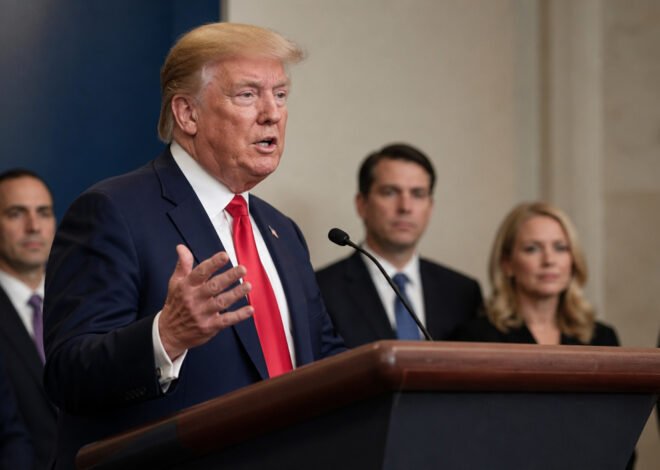
This ceasefire agreement is intrinsically linked to a larger, multi-point peace plan spearheaded by U.S. President Donald Trump. Announced and negotiated over several months, this initiative aims not only to end the immediate conflict but also to lay the groundwork for long-term stability. The plan, developed with input from key regional players, includes provisions for subsequent phases that would involve the release of all remaining Israeli hostages, a comprehensive withdrawal of Israeli forces from Gaza, and eventual demilitarization of the Strip. Future stages of the plan also envisage a pathway towards a restructured Palestinian Authority and potentially Palestinian self-determination, though these elements are subject to further, complex negotiations.
Key Actors and Mediators
The successful negotiation of this deal is a testament to the persistent efforts of a quartet of international mediators: the United States, Egypt, Qatar, and Turkey. These nations have played pivotal roles in bridging the significant gaps between Israeli and Hamas demands through painstaking, behind-the-scenes diplomacy. U.S. officials, including President Trump, special envoys Steve Witkoff and Jared Kushner, have been instrumental in driving the process forward. Their efforts, often in coordination with Qatari and Egyptian mediators who maintain direct lines of communication with both parties, have been crucial in navigating the sensitive dynamics of the negotiations.
Background and Context
The agreement arrives after years of intense conflict, including the devastating war triggered by the Hamas attacks on October 7, 2023. The ensuing military campaign has resulted in a catastrophic humanitarian crisis in Gaza, with widespread destruction and displacement. Previous attempts at a lasting ceasefire and hostage releases have faced numerous obstacles, making this current agreement a particularly significant breakthrough. The protracted conflict has claimed tens of thousands of lives and created immense suffering for civilians on both sides.
Future Prospects and Challenges
While the approval of the first phase represents a moment of cautious optimism, the path ahead remains fraught with challenges. The deal’s success hinges on the strict adherence to its terms by both Israel and Hamas, and the continuation of diplomatic engagement for subsequent phases. Reports of recent violations and lingering disputes over the interpretation of the agreement underscore the fragility of the truce. The international community, while welcoming the news, is keenly aware that this is just the beginning of a complex process. The long-term implications for regional security, Palestinian governance, and the broader Israeli-Palestinian peace process will depend on the successful implementation of all phases of the Trump-brokered initiative and sustained international support. This news is featured prominently in current affairs and is a key development in the ongoing efforts to achieve peace in the Middle East.
This recent agreement, a product of intense international collaboration, offers a glimmer of hope for an end to the immediate hostilities and a potential shift towards a more stable future for the region. The coming weeks will be critical in determining whether this fragile truce can pave the way for lasting peace.


Related Posts