UNESCO Dhaka Champions Bangladesh’s Heritage: New Action Plan Unveiled at Cultural Exhibition
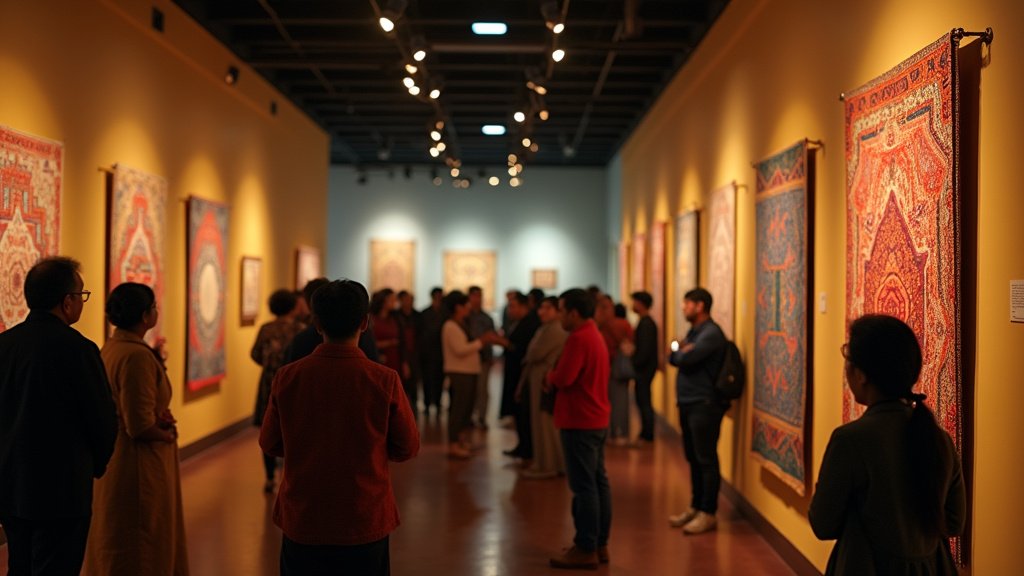
UNESCO Dhaka recently launched a significant cultural exhibition, introducing the crucial **Bangladesh Heritage Plan**. This comprehensive plan aims to safeguard Bangladesh’s rich heritage and its vibrant creative industries. The exhibition, held at the United Nations House in Gulshan on Wednesday, December 17, 2025, served as a vital platform for the unveiling of this landmark initiative.
Showcasing Bangladesh Heritage Plan’s Wealth
The exhibition displayed detailed documentation and featured important research findings, presenting community narratives that highlighted Bangladesh’s diverse culture. These elements underscored UNESCO’s dedication to culture and supported preparedness and resilience, especially during crises, a key objective of the **Bangladesh Heritage Plan**.
A Plan for Cultural Resilience: The Bangladesh Heritage Plan
This new National Action Plan, the **Bangladesh Heritage Plan**, is vital for strengthening the protection of cultural assets and focusing on recovery efforts for long-term resilience. This initiative received support from UNESCO’s Heritage Emergency Fund, which is crucial for urgent cultural needs. Developed through extensive research and rapid assessments, the **Bangladesh Heritage Plan** covers both tangible and intangible cultural heritage, with creative industries also being a key focus.
Voices of Support for the Bangladesh Heritage Plan
Susan Vize, UNESCO Representative to Bangladesh, emphasized culture’s vital role in promoting social cohesion and aiding recovery processes during the opening. “Cultural heritage and creative communities are central to Bangladesh’s identity and resilience,” she stated, highlighting how the **Bangladesh Heritage Plan** reflects UNESCO’s commitment to supporting systems and knowledge, building partnerships for safeguarding culture, and strengthening preparedness for future challenges.
Supporting Artisans and Traditions through the Bangladesh Heritage Plan
The exhibition also celebrated specific crafts, such as the Traditional Saree Weaving Art of Tangail, recently inscribed on UNESCO’s list, showcasing intangible cultural heritage. Mr. Federico Zamparelli, Chargé d’Affaires of the Italian Embassy in Dhaka, noted the risks faced by artisans and the threats to traditional art forms, emphasizing that safeguarding heritage through the **Bangladesh Heritage Plan** means supporting the people whose livelihoods depend on these traditions, ensuring their continuity.
Broader Context and Impact of the Bangladesh Heritage Plan
UNESCO has been active in Bangladesh for over 50 years, supporting education, science, culture, and information. This new **Bangladesh Heritage Plan** aligns with national priorities and supports the Sustainable Development Goals by addressing critical gaps in technical capacity and museum management. Protection, conservation, and presentation are key aspects, as is increasing visibility among children and youth through awareness campaigns, all integral to the **Bangladesh Heritage Plan**.
Future Steps for the Bangladesh Heritage Plan
Kizzy Tahnin, Head of Culture at UNESCO Dhaka, explained that the **Bangladesh Heritage Plan** is founded on assessment findings and stakeholder consultations. It outlines practical measures for immediate recovery and long-term preparedness. The exhibition served as a platform for collective reflection among distinguished professionals, cultural practitioners, and relevant stakeholders, underscoring a commitment to ensuring Bangladesh’s cultural legacy endures. This news, highlighting the **UNESCO Dhaka cultural exhibition** and the **Bangladesh Heritage Plan**, offers hope for the future of Bangladesh’s culture, demonstrating global cooperation and a dedication to preservation, a testament to the ongoing **UNESCO Bangladesh cooperation**.


Related Posts