CCF 2026: “Legends” Program Unveiled in Massive Showcase
The Chinese Culture Festival (CCF) 2026 has officially unveiled its blockbuster program, signaling a nationwide cultural milestone that runs from June through September. By anchoring the event in the theme “Legends,” the festival organizers have curated an ambitious roadmap that reconnects contemporary audiences with the profound legacy of the Sui and Tang dynasties, highlighting the historical vibrancy of the ancient capital, Luoyang. With over 280 distinct events, the festival is not merely an exhibition but a sprawling, immersive tapestry of Chinese folklore, classical opera, and avant-garde performance art designed to ignite cultural pride and national identity.
Key Highlights:
- Over 280 Programs: The festival encompasses a massive array of stage performances, film screenings, interactive workshops, and historical exhibitions.
- The “Legends” Theme: A deep dive into the Sui-Tang dynastic period, showcasing the artistic and political brilliance of ancient Luoyang.
- Cross-Disciplinary Artistry: The opening production, “Lady White Snake,” features artistic direction by Tan YuanYuan, pioneering a fusion of Western ballet and traditional Chinese dance.
- Righteousness & Loyalty: The Chinese Opera Festival component focuses on classical plays, featuring top-tier wusheng martial artists from major troupes in Shanghai, Beijing, Tianjin, and Hubei.
- Public Engagement: Beyond elite stages, the festival includes community carnivals and public library exhibitions, bringing history to the streets of Hong Kong and the mainland.
The “Legends” Curatorial Vision: A Renaissance of Sui-Tang Splendor
The choice of the Sui and Tang dynasties as the central anchor for the 2026 Chinese Culture Festival is a strategic decision that speaks to the era’s reputation as the “Golden Age” of Chinese history. The Tang Dynasty, in particular, is frequently cited for its unparalleled openness, cultural exchange, and artistic sophistication. By dedicating this year’s festival to the theme of “Legends,” the Leisure and Cultural Services Department (LCSD) and the Bauhinia Culture Group are not simply preserving relics; they are re-contextualizing the historical narrative for a modern generation.
Mapping the Cultural Geography: The Spirit of Luoyang
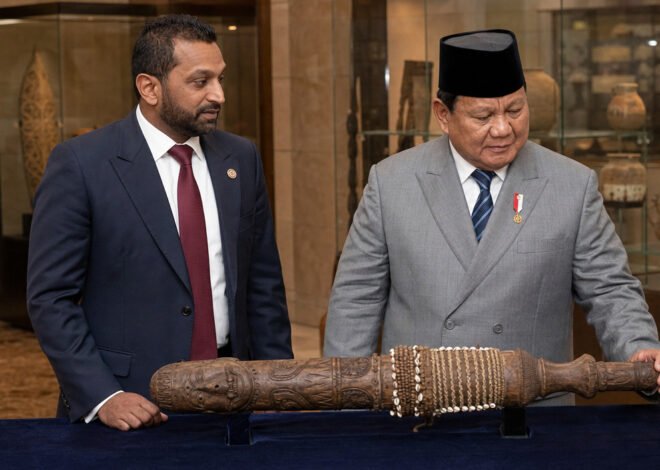
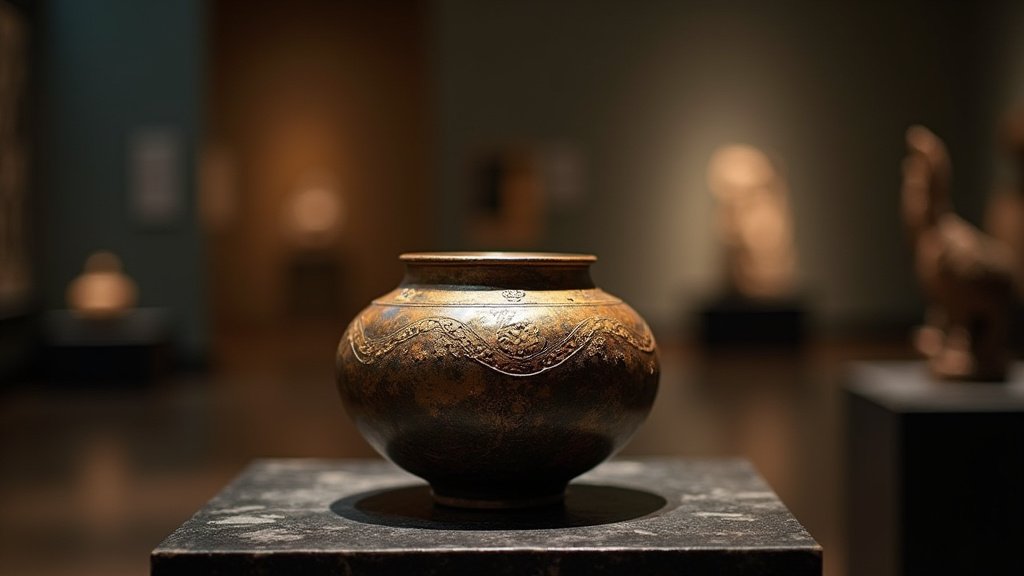
Luoyang served as a capital for multiple dynasties, but its prominence during the Sui and Tang periods marks the heartbeat of this year’s festival. The “Prosperity & Magnificence” exhibition, featuring over 165 artifacts, serves as the educational anchor of the event. It bridges the gap between historical academic study and public consumption. Organizers aim to illustrate how the infrastructure, trade, and diplomatic ties of the Tang era laid the groundwork for the modern Chinese identity. By showcasing these artifacts, the festival invites participants to walk through the commercial and military connections that once pulsed through the Silk Road’s eastern terminus.
Bridging Disciplines: The Evolution of Performing Arts
The festival’s opening production, “Lady White Snake,” is a statement of intent. By appointing internationally renowned ballet artist Tan YuanYuan as artistic director, the festival makes a bold move to merge the rigid, technical precision of Western ballet with the fluid, narrative-driven aesthetic of Chinese dance. This is not a collision of styles, but a synthesis. It highlights a recurring motif in the 2026 festival: the ability to hold onto the weight of tradition while experimenting with the vocabulary of global performance art. This synthesis ensures that traditional folklore—often viewed by the youth as static or archaic—finds a new, dynamic pulse.
The Opera Core: Righteousness and Loyalty in 2026
At the heart of the festival is the Chinese Opera Festival, which this year adopts the theme of “Righteousness and Loyalty.” This thematic choice is significant, as it taps into the moral and ethical scaffolding of traditional Chinese dramas. The martial arts prowess (wusheng) on display is not merely acrobatic; it is a display of character and historical values. By gathering top performers from Shanghai, Beijing, Tianjin, and Hubei, the organizers are facilitating a rare exchange of regional stylistic nuances. This brings to the stage a competitive yet collaborative energy, with excerpts from the “Romance of the Three Kingdoms” and “The Water Margin” serving as primary vehicles for this storytelling.
Economic Impacts and Cultural Tourism
The scale of the CCF 2026—with its 280+ programs—functions as a powerful economic catalyst for the cultural and creative industries. In an era where digital consumption often fragments cultural experiences, the CCF reasserts the value of the “live event.” This influx of high-level performance art serves to boost tourism, particularly in regional hubs that host the traveling troupes and the roving exhibitions. The strategic placement of programs in venues like the Hong Kong Cultural Centre, the Yuen Long Theatre, and Metroplaza ensures that the economic benefits—and the cultural engagement—are decentralized, reaching across various districts to maximize accessibility and financial spillover.
The Future of Cultural Diplomacy
Beyond the performance halls, the CCF 2026 functions as a vessel for cultural diplomacy and internal national cohesion. By highlighting “one country, two systems” through the lens of shared cultural heritage, the festival reinforces a unified identity that respects historical diversity. The integration of local Cantonese opera with regional styles from the mainland demonstrates a cohesive effort to weave a singular narrative of Chinese progress. As the festival runs through September, it will likely provide a blueprint for how future major cultural events can balance pedagogical depth with mass entertainment appeal.
FAQ: People Also Ask
What is the central theme of the Chinese Culture Festival 2026?
The theme for the 2026 festival is “Legends.” It focuses heavily on the folklore, cultural heritage, and historical splendor of the Sui and Tang dynasties, with a special emphasis on the ancient capital, Luoyang.
How long does the Chinese Culture Festival 2026 run?
The festival is scheduled to run for four months, beginning in June and concluding in September 2026.
Are there opportunities for public participation outside of ticketed performances?
Yes, the festival includes extensive community outreach. Programs such as the “Encountering Chinese Culture” Performing Arts Carnival, roving exhibitions in public venues, and book displays at public libraries are designed to make Chinese history and culture accessible to the general public at little to no cost.
Where can I purchase tickets for the CCF 2026 events?
Tickets for the various performances and programs will be available for purchase at URBTIX starting from April 14, 2026. Organizers have advised checking the official Chinese Culture Festival website for specific details on limited-time offers and scheduling.

Related Posts