New York Fashion Week Opens Amidst Luxury Market Volatility and Bold Revitalization Efforts
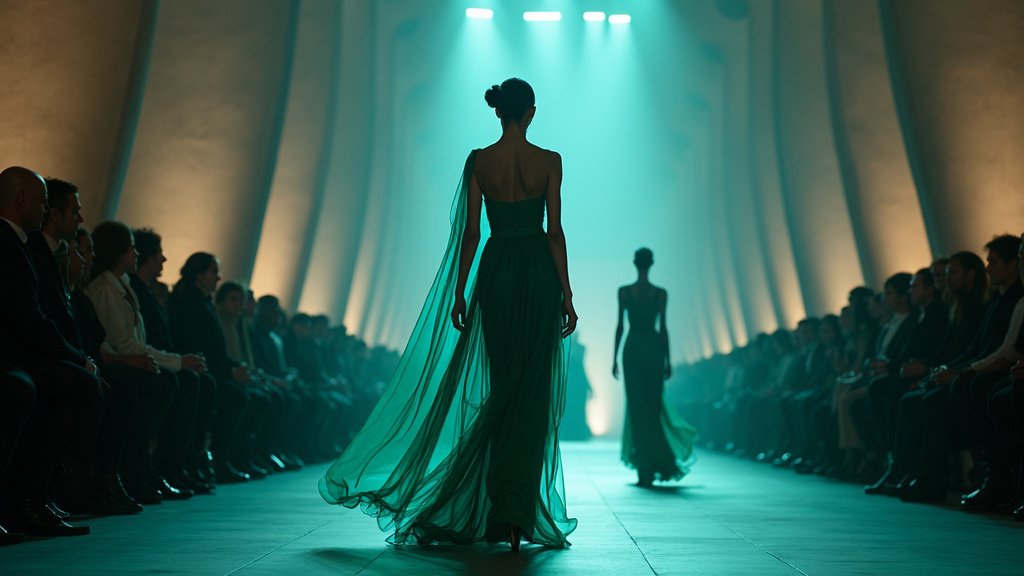
New York Fashion Week (NYFW) commenced its September 2025 season, showcasing a dynamic blend of established American fashion houses and a burgeoning wave of emerging designers. Running from September 11th to September 16th, the event highlights the resilience and evolving nature of the industry, even as it navigates a complex and often fragmented luxury market backdrop. This recent edition of NYFW aims to redefine its appeal through increased inclusivity, technological integration, and a renewed focus on cultural relevance, signaling a significant shift in the fashion landscape.
A Season of Established and Emerging Voices
The official schedule, meticulously organized by the Council of Fashion Designers of America (CFDA), features over 60 runway shows and presentations. Returning American stalwarts such as Michael Kors, Coach, Calvin Klein, Tory Burch, and Christian Siriano are presenting their Spring/Summer 2026 collections. Michael Kors is opening the week with its collections, a move that traditionally sets the tone for the event. Alexander Wang is also making a notable return to the NYFW runway. Alongside these established names, a significant number of debut designers, including Amir Taghi, Nardos, and SC103, are showcasing their talent, marking the largest new crop of designers in decades and underscoring New York’s role as an incubator for fresh fashion.
Navigating a Fragmented Luxury Landscape
This year’s fashion news unfolds against a backdrop of considerable economic uncertainty and shifts within the global luxury market. The sector, which saw robust growth for years, is now facing a slowdown, with consumers becoming increasingly selective and hesitant to absorb further price hikes. Between 2019 and 2023, luxury growth was largely driven by price increases rather than sales volume, a strategy now reaching its limit. Economic unpredictability, compounded by geopolitical tensions and potential trade disputes, adds layers of complexity for brands.
Furthermore, consumer expectations are rapidly evolving. Millennials and Gen Z, who will soon constitute the majority of luxury spending, demand more than just prestige; they seek sustainability, digital integration, and authentic experiences. The rise of the luxury resale market, fueled by eco-conscious values and affordability, presents another challenge to traditional retail models. This evolving consumer behavior, coupled with significant executive shifts within major luxury houses, creates a dynamic and at times precarious environment for brands.
Revitalizing NYFW for the Future
In response to these challenges and the perceived fragmentation of the event, significant efforts are underway to revitalize New York Fashion Week. The CFDA has partnered with the event platform KFN to innovate the week, aiming to expand its physical and digital presence and create more accessible opportunities for designers. This collaboration includes exploring potential reforms such as centralized campuses and shared venues to reduce the substantial costs associated with participation. Discussions about streamlining NYFW to a single, consolidated September season are also part of these reformative measures.
Beyond logistical changes, the recent fashion news from the runways indicates a strong emphasis on cultural relevance, inclusivity, and storytelling. Designers are increasingly incorporating themes of heritage, advocacy, and sustainability into their collections. This shift reflects a broader industry movement towards more meaningful engagement with contemporary issues, making fashion not just about aesthetics but also about purpose and connection.
A Forward-Looking Outlook
As New York Fashion Week unfolds, it serves as a critical barometer for the state of American fashion and the global luxury industry. While established brands continue to anchor the event, the spotlight on emerging talent and the concerted efforts towards modernization highlight a sector determined to adapt. The challenges posed by economic shifts and changing consumer priorities are undeniable, but they also present opportunities for innovation and a reimagining of what fashion week can be. The recent events signal a period of transformation, where cohesion, accessibility, and cultural resonance are paramount for the future success of NYFW and the brands it represents.


Related Posts