
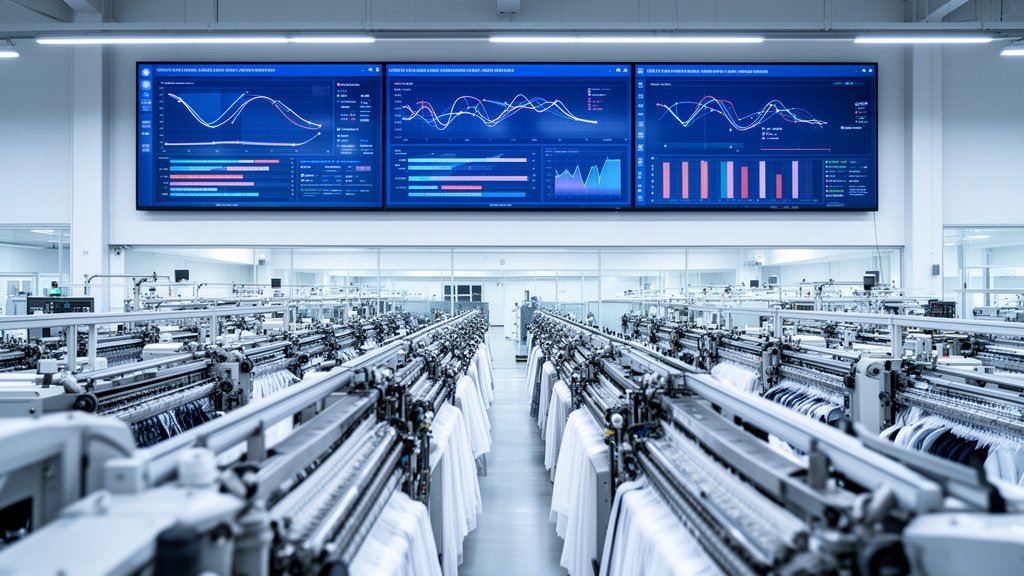
Supply Chain Pivot: Half of Fashion Brands to Cut Suppliers by 2026
The era of aggressive supply chain diversification in the fashion industry is hitting a critical inflection point. According to a 2026 benchmarking study published by the U.S. Fashion Industry Association (USFIA), nearly 50% of fashion brands are actively planning to consolidate their sourcing networks, pivoting from a “more is better” philosophy to a “fewer and deeper” strategy. This shift, expected to unfold over the next two years, marks a fundamental change in how global apparel giants approach production, risk management, and regulatory adherence.
The Compliance-Driven Consolidation
The primary engine behind this move is the mounting pressure of global trade compliance. As governments in the United States and the European Union tighten regulations regarding forced labor, environmental impact, and supply chain transparency, the administrative burden of managing hundreds of disparate suppliers has become a liability. Specifically, the UFLPA (Uyghur Forced Labor Prevention Act) and the impending EU Supply Chain Due Diligence Directive have made comprehensive traceability a mandatory requirement rather than a competitive advantage.
When a brand relies on a vast network of tier-two and tier-three suppliers, maintaining 100% visibility is statistically improbable. By consolidating their sourcing footprint, brands are essentially pruning their ecosystem to include only those partners capable of passing rigorous, real-time audits. This consolidation allows legal and sustainability teams to focus their resources on a smaller, vetted cohort, drastically reducing the risk of regulatory fines and supply chain disruption.
Prioritizing Flexibility Over Volume
Historically, fashion brands utilized broad, diversified sourcing to hedge against regional volatility—what industry veterans often called the “portfolio approach” to manufacturing. However, the post-pandemic landscape proved that while a wide net catches more fish, it also complicates crisis management. The USFIA data indicates that brand leaders are now favoring flexibility. Working with fewer, more integrated suppliers allows brands to build deeper collaborative relationships.
This intimacy is vital for modern demand-planning. In a market where consumer trends shift in weeks rather than seasons, brands need partners who can scale production up or down, shift product mixes on short notice, and share production data instantly. This level of synergy is nearly impossible to achieve with a transactional, high-volume, low-loyalty supplier base. Brands are moving from “buying capacity” to “building partnerships.”
The Economic Ripple Effect on Manufacturing Hubs
This trend poses significant implications for traditional manufacturing hubs such as Bangladesh, Vietnam, and Cambodia. As brands consolidate, the “marginal” suppliers—those who compete primarily on price rather than quality, compliance, or speed—are being squeezed out of the ecosystem.
For major manufacturing nations, this means that the survival of their domestic apparel sectors will depend on their ability to centralize services. Suppliers who offer end-to-end solutions—from textile sourcing to finished garment assembly—are becoming the preferred “one-stop” partners for major retailers. Small, fragmented factories that cannot offer traceability or digital integration are likely to face significant revenue declines as brands migrate their volume to larger, more sophisticated players who can meet the demands of this new consolidated model.
The Technology of Integration
Consolidation is not merely a strategic organizational shift; it is a digital transformation. The brands executing this consolidation are investing heavily in supply chain mapping technology. The Digital Product Passport (DPP), a concept gaining massive traction in the EU, requires brands to prove the origin and environmental footprint of every material. Managing this data across a vast network of 500 suppliers is a technological nightmare; managing it across 50 vetted, integrated partners is a manageable operational expense. The move to consolidate is, in many ways, an admission that modern supply chain management is now an IT problem as much as a logistics one.
Looking toward 2027 and beyond, the industry is likely to see a “flight to quality” among suppliers. The top-tier factories will find themselves with more leverage than ever before, while the bottom tier will struggle to maintain viability. The next 24 months will be defined by this winnowing process, ultimately creating a more resilient, albeit more exclusive, global fashion supply chain.
FAQ: People Also Ask
Q: Why are fashion brands choosing to reduce their number of suppliers?
A: Brands are consolidating primarily to reduce the complexity of supply chain compliance. With stricter global laws like the UFLPA and EU due diligence directives, managing hundreds of disparate suppliers makes full visibility and traceability nearly impossible. Reducing the supplier count allows brands to audit and monitor their partners more effectively.
Q: Does consolidation lead to higher costs for the consumer?
A: Not necessarily. While initial switching costs and the need for more sophisticated, compliant suppliers might raise production expenses, brands offset this through improved operational efficiency, reduced waste, and the ability to react faster to market trends. This “flexibility” often helps brands avoid the high costs of overstocking or stockouts.
Q: What happens to small factories that are excluded from this consolidation?
A: Smaller suppliers that lack the capacity for digital traceability or the ability to adhere to strict international compliance standards risk losing their contracts with major global brands. Many will likely need to merge or pivot to serving smaller, local, or less regulated markets to survive the shift.


Related Posts


