Sage Hill’s Sustainable Style Steals the Scene
Sage Hill School’s annual fashion show transformed the campus into a runway of eco-conscious design, with students showcasing innovative collections crafted from recycled and sustainable materials. The event highlighted a growing movement within fashion towards environmental responsibility.
Key Highlights:
- Student designers demonstrated creativity using upcycled fabrics and natural dyes.
- The show emphasized the importance of circular fashion and waste reduction.
- Industry professionals lauded the students’ forward-thinking approach to design.
- A significant portion of proceeds from ticket sales will be donated to environmental charities.
Eco-Chic Evolution: The Future of Fashion on Display
The Sage Hill fashion show, now a highly anticipated annual event, has once again proven itself to be a vital platform for emerging talent and a powerful statement on the future of the fashion industry. This year’s theme, ‘Sustainable Style,’ resonated deeply as students presented collections that were not only aesthetically striking but also ethically produced. The energy was palpable as models, also students, walked the runway in garments ingeniously constructed from a diverse array of materials – from discarded textiles and plastic waste to organic cottons and plant-based fibers. The meticulous craftsmanship and thoughtful design choices demonstrated a profound understanding of both style and sustainability, challenging conventional notions of what it means to be fashionable in the 21st century. The event served as a vibrant testament to the fact that high fashion and environmental consciousness can, and indeed must, coexist.
The Craft Behind the Catwalk
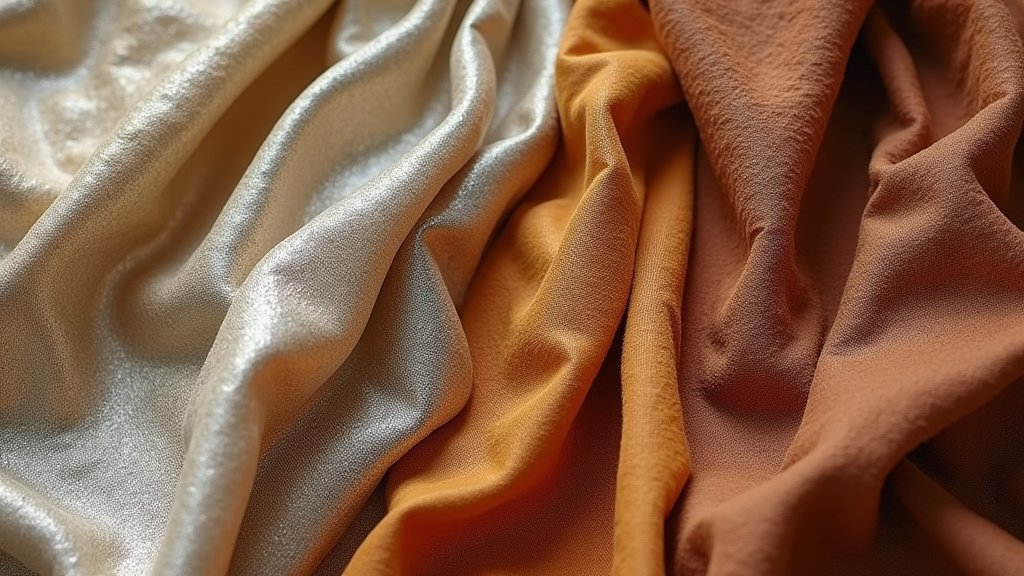
The innovation on display was remarkable. Students spent months conceptualizing, sourcing, and creating their pieces. One notable collection featured dresses made entirely from recycled plastic bottles, transformed into shimmering, sculptural forms that defied their humble origins. Another designer explored the use of natural dyes derived from food waste, creating a palette of rich, earthy tones that spoke to a connection with nature. The technical skill involved in deconstructing and reconstructing garments, as well as in experimenting with new eco-friendly materials, was evident. Beyond the visual appeal, each collection told a story about the journey of materials and the impact of consumer choices on the planet. This hands-on approach fosters a deep appreciation for the resources involved in garment production and encourages a more mindful approach to consumption.
Industry Insights and Inspiration
The show attracted a discerning audience, including fashion industry professionals, environmental advocates, and educators. Many expressed admiration for the students’ commitment to sustainable practices. Panelists during a post-show Q&A session, which included designers and sustainability experts, discussed the challenges and opportunities within the eco-fashion movement. They emphasized the growing demand from consumers for transparent and ethical sourcing, and how student-led initiatives like Sage Hill’s fashion show are paving the way for broader industry change. The discussions also touched upon the concept of a ‘circular economy’ in fashion, where garments are designed for longevity, repairability, and eventual recycling, minimizing waste and environmental footprint. The insights shared provided valuable guidance and inspiration for the young designers and the audience alike.
Beyond the Runway: Cultivating Conscious Consumers
The impact of the Sage Hill fashion show extends far beyond the glamour of the runway. It serves as an educational tool, raising awareness among the student body and the wider community about the environmental and social implications of the fashion industry. By showcasing sustainable alternatives, the event empowers individuals to make more informed purchasing decisions and to advocate for change. The success of the show demonstrates that style and substance are not mutually exclusive. It fosters a generation of designers and consumers who are not only interested in aesthetics but are also deeply committed to ethical and sustainable practices, driving a paradigm shift towards a more responsible and beautiful future for fashion.
FAQ: People Also Ask
What is sustainable fashion?
Sustainable fashion, also known as eco-fashion, refers to clothing that is designed, manufactured, distributed, and used in ways that are environmentally and socially responsible. This includes using eco-friendly materials, ethical labor practices, reducing waste, and promoting longevity of garments.
How can students get involved in sustainable fashion?
Students can get involved by learning about sustainable materials, upcycling old clothes, supporting ethical brands, participating in fashion shows like Sage Hill’s, and educating themselves and others about the impact of the fashion industry.
What are some examples of sustainable materials in fashion?
Examples include organic cotton, linen, hemp, Tencel (Lyocell), recycled polyester, recycled nylon, and innovative materials made from pineapple leaves (Piñatex) or mushroom leather.
Why is sustainable fashion important?
It’s important because the traditional fashion industry is a major polluter, contributing to water contamination, greenhouse gas emissions, and excessive waste. Sustainable fashion aims to mitigate these negative impacts and promote a healthier planet and fairer working conditions.


Related Posts