Christchurch Attacker Seeks to Void Guilty Pleas, Citing ‘Irrationality’ from Prison Conditions
Brenton Tarrant is challenging his guilty pleas. This is a recent legal development. An appeals court heard his case on February 9, 2026. He claims harsh prison conditions made him irrational. This move could potentially overturn his convictions. It also affects his life sentence. This news comes years after the horrific attacks. It brings renewed pain for many.
The Christchurch Mosque Attacks
The world witnessed unspeakable tragedy on March 15, 2019. Two mosques in Christchurch, New Zealand, were attacked. Tarrant targeted worshippers during Friday prayer. He committed New Zealand’s deadliest mass shooting. Fifty-one people lost their lives. Eighty-nine others sustained injuries. Tarrant was an Australian national. He promoted white supremacist ideologies. He prepared a detailed manifesto. He also livestreamed the massacre. The attacks shocked the nation. They led to global discussions. Social media platforms faced scrutiny. New laws addressed firearm control.
Guilty Plea and Sentencing
Tarrant initially denied all charges. He was preparing for a trial. However, he changed his plea. In March 2020, he admitted guilt. He pleaded guilty to 51 murder counts. He also admitted 40 counts of attempted murder. A terrorism charge was among them. This decision averted a lengthy trial. Many feared he would use it for propaganda. In August 2020, he received his sentence. It was life imprisonment without parole. This was the first such sentence in New Zealand’s history. The judge cited the extreme wickedness of his crimes. The sentence reflected immense loss and hurt.
Current Appeal Proceedings
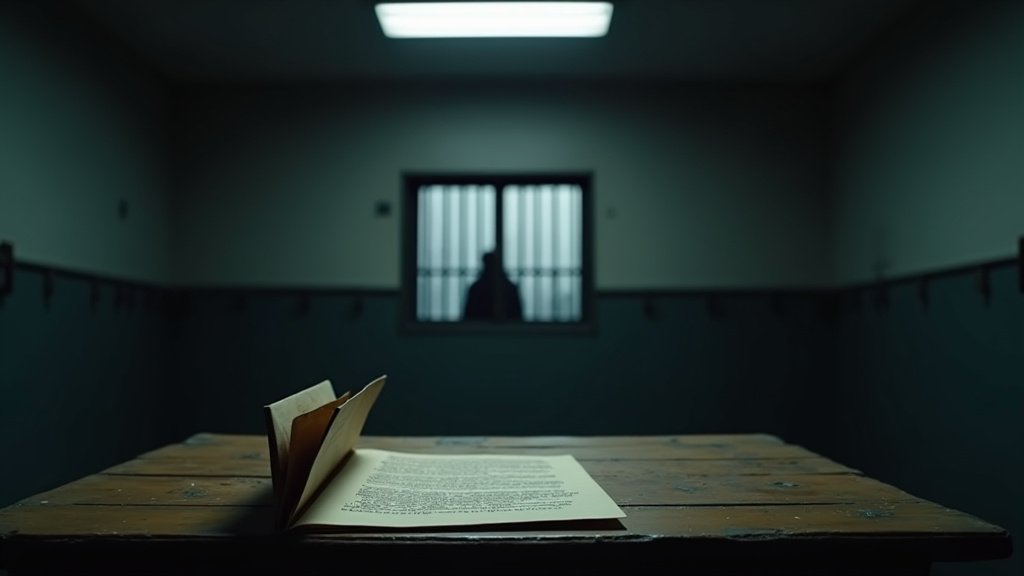
Now, Tarrant seeks to discard these guilty pleas. His appeal hearing began on February 9, 2026. He argues his prison conditions were severe. He described them as “torturous and inhumane”. These conditions, he claims, caused “nervous exhaustion”. They led to irrationality. Therefore, he asserts he was unfit to plead guilty. He gave testimony via video link. The connection was from Auckland Prison. Tarrant stated he had limited contact. He also had restricted reading materials. This isolation reportedly affected his mental state. He suggested signs of distress went unrecorded. He even considered implicating Donald Trump in his mental state.
Legal Counterarguments and Challenges
The Crown’s legal team disputes Tarrant’s claims. They argue there is scant evidence of mental illness. Crown lawyer Barnaby Hawes questioned Tarrant directly. He suggested Tarrant had other options. These included requesting a trial delay. He could have also defended himself. Tarrant’s appeal was filed late. He submitted court documents in September 2022. This was nearly two years after his sentencing. The Court of Appeal must grant leave for it to proceed. The current hearing is scheduled for five days. Proceedings are under strict security. Access to the courtroom is heavily restricted. Families of the victims can view remotely. They watch with a one-hour delay. This legal process is reopening deep wounds. Survivors and families find it distressing.
Previous Legal Actions
This is not Tarrant’s first legal challenge. He previously appealed his prison conditions. He also appealed his designation as a “terrorist entity”. However, he abandoned that appeal in April 2021. His current legal team has received name suppression. This order protects them from potential abuse. The court acknowledged the unique nature of Tarrant’s crimes. They expressed concern for the lawyers’ safety. This featured news highlights ongoing legal battles. The case continues to draw international attention.
Broader Impact and Context
The 2019 attacks prompted significant policy changes in New Zealand. Military-style semi-automatic rifles were banned. A firearms registry was established. A Royal Commission of Inquiry investigated the events. Its findings aim to prevent future tragedies. Tarrant’s sentence of life without parole was unprecedented. It aimed to provide finality for victims. This appeal challenges that finality. It introduces further legal complexity. It also re-traumatizes affected communities. Aya Al-Umari, whose brother was killed, voiced her distress. She stated the hearing reopens a wound. Moving forward becomes harder for her.
Ongoing Legal Battle
The Court of Appeal in Wellington is examining Tarrant’s claims. Judges are assessing his mental state at the time of his plea. They will determine if his guilty pleas can be vacated. If successful, this could lead to a new trial. Alternatively, a separate hearing might address his sentence appeal. The court’s decision is expected later. This recent news underscores the long shadow of the attacks. The legal process is ongoing. It remains a difficult chapter for New Zealand.


Related Posts