Iran War Crimes Probe: US Strikes Under International Scrutiny
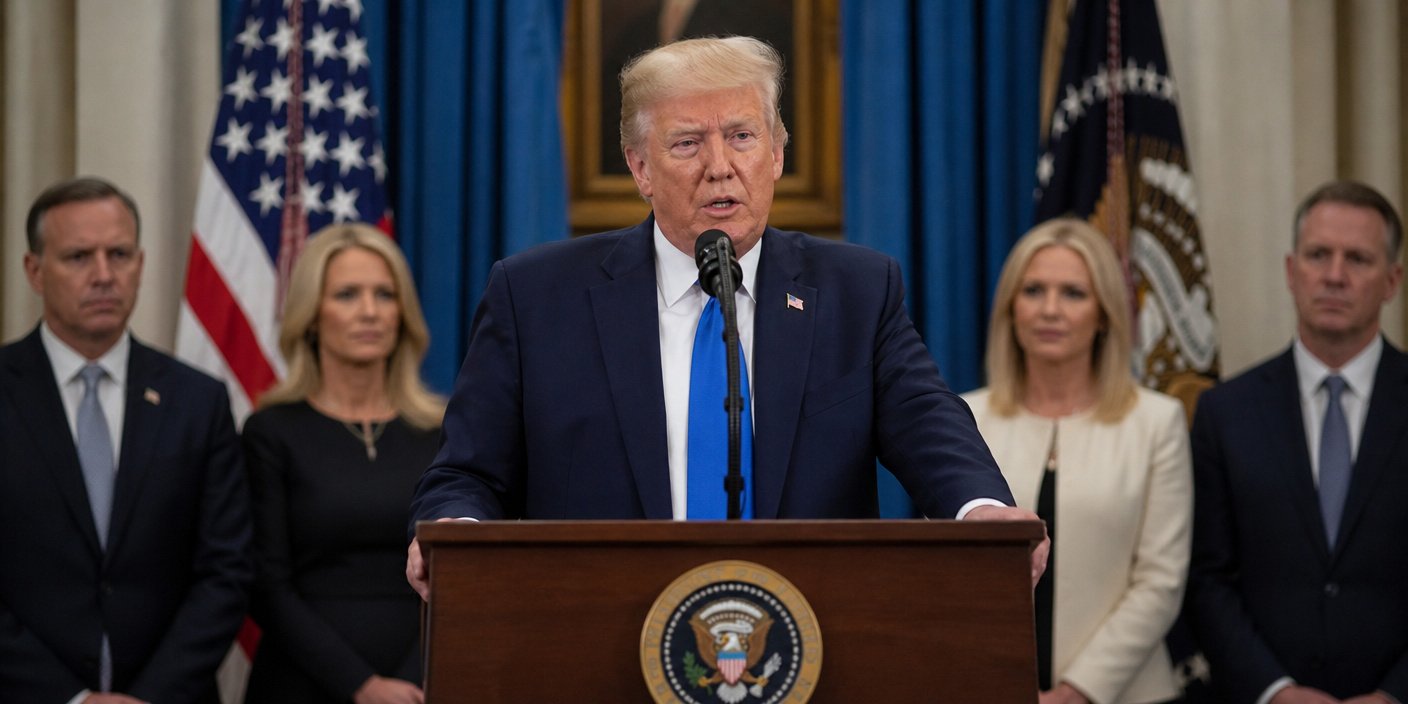
The International Fact-Finding Mission (IFFM) on Iran has issued a landmark report today, September 17, 2026, directly challenging the legality of United States military operations conducted earlier this year. The findings center on specific strikes carried out in February, alleging that American forces engaged in actions that qualify as war crimes under international humanitarian law by targeting civilian infrastructure, specifically a school and a sports facility. This revelation arrives at a critical juncture, as President Trump simultaneously attempts to signal a diplomatic pivot, asserting that a resolution to the prolonged Iran conflict is within reach.
Key Highlights
- The IFFM report details evidence suggesting the U.S. military targeted protected civilian sites, specifically a school and sports complex, during February operations.
- International legal experts are calling for a formal inquiry into potential violations of the Geneva Conventions.
- President Trump has publicly signaled a de-escalation, claiming his administration sees the end of the conflict in the near term.
- The dual narrative of war crimes allegations and a nearing peace deal creates significant friction for U.S. foreign policy and international relations.
The Shadow of Alleged War Crimes: An Escalating Diplomatic Crisis
The release of the IFFM report has sent shockwaves through the diplomatic community, forcing the administration to reconcile its stated peace objectives with potentially damning allegations of misconduct. The report, which chronicles the February military campaign, focuses heavily on the proportionality and distinction requirements of International Humanitarian Law (IHL). According to the Mission’s findings, the strikes on the school and sports facility—sites that were allegedly not being utilized for military purposes—constitute a clear violation of the rules of engagement and the protections afforded to civilian objects.
The February Strikes: A Question of Intent and Distinction
The central tension of the report lies in the February operations. While the United States Department of Defense has maintained that the strikes were essential to neutralize threats, the IFFM’s evidence suggests a different reality. The report cites satellite imagery, local witness testimony, and digital signatures that strongly indicate the targeted locations were, in fact, devoid of military personnel or assets. The destruction of a school, a place of sanctuary, carries immense symbolic and legal weight under the Rome Statute. Legal scholars are already parsing the IFFM’s language, noting that the inclusion of specific, identifiable civilian facilities suggests the Mission has a high threshold of proof. The focus on the sports facility—often a hub for youth and community gatherings—further complicates the narrative that these strikes were strictly tactical.
International Legal Implications and Sovereignty
For the U.S., the ramifications are multifaceted. Beyond the immediate diplomatic fallout, there is the question of international standing. The United States, while not a signatory to every protocol of the International Criminal Court, is held to the standards of the Geneva Conventions as customary international law. Allegations of war crimes, particularly when corroborated by a body like the IFFM, invite scrutiny from allies and adversaries alike. The pressure is mounting on the State Department to provide a granular defense of the intelligence utilized to greenlight these February operations. If the government fails to justify the targeting criteria, it faces the prospect of protracted legal inquiries that could shadow the administration’s foreign policy legacy for years to come. The IFFM’s documentation is expected to be used as a primary source for further human rights reviews, and there is growing internal pressure to initiate an independent investigation to head off international sanctions or formal condemnations.
Trump’s Strategic Pivot: Peace or Distraction?
In stark contrast to the severity of the IFFM report, President Trump’s recent public comments suggest a strategy of optimism. By framing the Iran conflict as nearing an conclusion, the President is attempting to control the narrative, shifting focus from the moral and legal liabilities of past actions to a future of stability. This divergence is intentional. By promising a resolution, the administration seeks to isolate the war crimes allegations as ‘past history’ that should not impede current, forward-looking diplomatic progress. However, critics argue this is a tactical miscalculation. An ‘end’ to the conflict, if negotiated without addressing the grievances raised by the IFFM, may lack long-term legitimacy. The credibility of a peace deal rests on the accountability for the very strikes now under investigation.
Geopolitical Ripples: What Comes Next?
The timing of these revelations could not be more sensitive. As the administration works through backchannels to reach an understanding with Tehran, the IFFM report provides leverage to those opposing the deal. Internationally, this creates a ‘credibility gap.’ The U.S. has long positioned itself as a guardian of the rules-based international order; these allegations, if sustained, weaken that position. Furthermore, the internal political reaction in Washington remains volatile. Legislators are calling for hearings, and the bipartisan consensus on foreign policy is fracturing.
Looking forward, the administration must navigate a narrow path: it must address the legitimacy of the IFFM findings without appearing to admit guilt or alienate its domestic support base, all while maintaining the momentum toward a cessation of hostilities. This is a high-wire act of diplomacy. The question remains: can the administration secure a peace agreement while the specter of these February strikes hangs over the negotiating table? The answer will likely define the trajectory of U.S. relations with Iran for the remainder of the decade.
FAQ: People Also Ask
Q: What specific facilities were targeted in the February strikes?
A: The International Fact-Finding Mission identified a school and a sports facility, both allegedly civilian sites without military utility.
Q: What is the International Fact-Finding Mission on Iran?
A: It is an independent body tasked with investigating alleged violations of international human rights and humanitarian law within the context of the ongoing Iran conflict.
Q: Does the report carry legal weight for the U.S.?
A: While the U.S. is not bound by the International Criminal Court in the same way as member states, the report creates significant diplomatic pressure and may influence international sanctions or future treaty negotiations.
Q: How has the President responded to these allegations?
A: President Trump has not directly addressed the specific allegations in the report, instead focusing his public messaging on his belief that the conflict with Iran is nearing a resolution.


Related Posts