Magnitude 6.2 Earthquake Rocks Afghanistan, Adding to Devastation After Deadly Quake Series: Germany’s Geosciences Centre Confirms
KABUL, Afghanistan – A magnitude 6.2 earthquake struck southeastern Afghanistan on Thursday, September 4, 2025, adding another seismic shock to a region already reeling from a series of devastating tremors. The German Research Centre for Geosciences (GFZ) confirmed the event, which occurred at a depth of approximately 10 kilometers (6.2 miles).
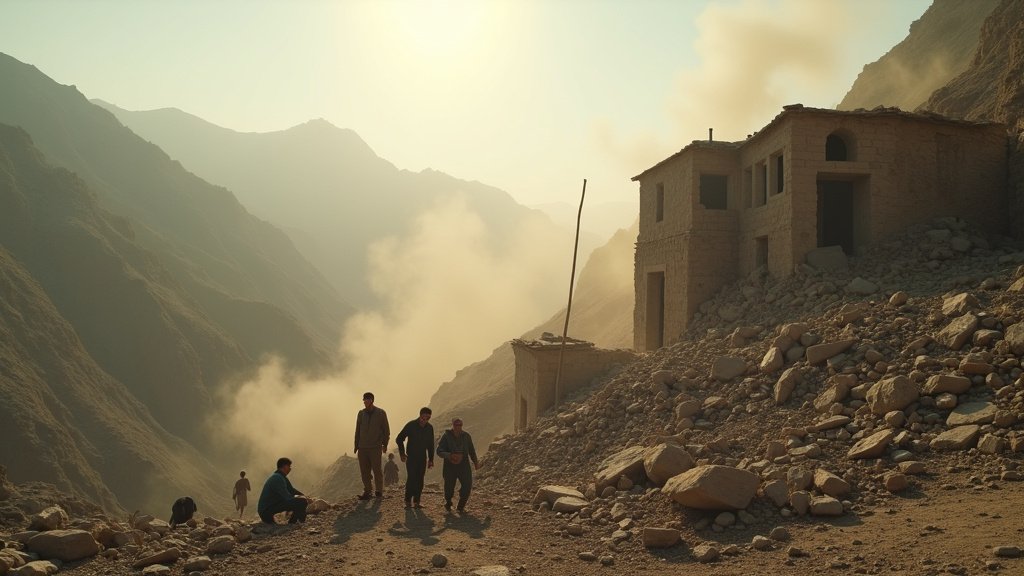
This latest quake is the third significant tremor to hit the area since Sunday, August 31, 2025, following a catastrophic magnitude 6.0 earthquake that has claimed over 2,200 lives and left more than 3,600 injured. The initial, deadliest earthquake, which struck late on August 31st at a shallow depth of approximately 8 kilometers, flattened entire villages in the eastern provinces of Kunar and Nangarhar, leaving tens of thousands homeless.
The Latest Tremor in a Region Under Siege
The magnitude 6.2 earthquake on September 4th occurred in southeastern Afghanistan, with its epicenter near the remote Shiva district, close to the Pakistan border. While initial reports from Reuters indicated they were not immediately aware of any new significant damage from this specific tremor, its occurrence in an already devastated landscape amplifies the ongoing crisis. This event follows a magnitude 5.5 aftershock that struck on Tuesday, which had already disrupted rescue efforts and caused further panic.
A Nation Already Devastated
The preceding earthquake on August 31st, one of Afghanistan’s deadliest in years, unleashed widespread destruction. Its shallow depth and the vulnerable construction of homes in the affected mountainous regions contributed to the catastrophic toll. Thousands of homes, estimated to be over 6,700, were destroyed or severely damaged, rendering entire communities without shelter. Villages situated on steep hillsides, such as those in Kunar and Nangarhar provinces, bore the brunt of the impact, with some experiencing up to 90% of their buildings destroyed. Beyond residential structures, critical infrastructure including schools, health facilities, roads, and vital water sources also suffered extensive damage, severely hampering rescue and relief operations.
Contributing Factors to Catastrophe
Afghanistan’s precarious geological setting, situated at the collision zone of the Indian and Eurasian tectonic plates, makes it highly susceptible to seismic activity. However, the severity of this recent disaster is compounded by a complex web of existing challenges. Decades of conflict, persistent political instability, and increasing diplomatic isolation following the Taliban’s 2021 takeover have weakened the nation’s resilience. Poor construction standards, often involving mud-brick or stone masonry with minimal engineering, leave buildings highly vulnerable to even moderate seismic events. Compounding this, Afghanistan was already grappling with one of the world’s most severe humanitarian crises, with millions facing food insecurity and economic hardship even before the earthquakes.
The Unfolding Humanitarian Crisis
Rescue and relief efforts in the earthquake-affected areas have been arduous. Landslides triggered by the quakes and heavy rains have blocked crucial roads, isolating remote communities and impeding the swift delivery of aid. Aid workers and survivors alike have faced immense challenges in reaching those trapped and providing necessary assistance. Initial reports highlighted an urgent need for food, clean water, emergency shelter, and medical supplies, with aid organizations warning of dwindling resources as the scale of the disaster became clearer. The United Nations Children’s Fund (UNICEF) has noted that survivors, particularly children, are at heightened risk of waterborne diseases due to destroyed sanitation and hygiene infrastructure, a situation exacerbated by the lack of access to safe water and proper shelter as winter approaches.
International Response and Urgency
In response to the escalating crisis, international humanitarian organizations and the United Nations have mobilized efforts to deliver critical aid. The UN Office for the Coordination of Humanitarian Affairs (OCHA) has been coordinating response efforts, releasing emergency funds and launching a four-month emergency response plan seeking $139.6 million to assist hundreds of thousands of affected people. Agencies like the World Food Programme (WFP), the International Rescue Committee (IRC), Save the Children, and Direct Relief are on the ground, distributing food, medical supplies, tents, and other essential items. The Australian government has pledged $1 million in aid, directed through the Afghanistan Humanitarian Fund.
However, funding remains a critical concern. Many agencies face shortfalls, and the sheer scale of need in a country already facing multiple overlapping crises presents a formidable challenge. With temperatures dropping and winter fast approaching, the race against time to provide winterization support, safe shelter, and sustained aid is intensifying. The resilience of the Afghan people has been repeatedly tested, and international solidarity is deemed crucial to prevent further suffering and to lay the groundwork for recovery.
Conclusion: A Long Road to Recovery
The recent seismic activity in Afghanistan underscores the profound vulnerability of its population. The magnitude 6.2 earthquake on September 4th, following the devastating August 31st event, serves as a stark reminder of the nation’s ongoing struggle against natural disasters, compounded by political and economic fragility. While rescue and immediate relief efforts continue, the path to recovery will be long and arduous, demanding sustained international commitment to rebuilding infrastructure, providing essential humanitarian aid, and addressing the deep-rooted causes of vulnerability in one of the world’s most challenging environments. This featured news highlights the urgent need for global support to help Afghanistan navigate this catastrophic period.


Related Posts