Gaza Ceasefire Talks Launch in Egypt Amidst Bloodshed; U.S.-Backed Plan Faces Crucial Test
Gaza ceasefire negotiations between Israel and Hamas commenced in Egypt on October 6, 2025, under the grave shadow of continued hostilities and reported Palestinian casualties. The high-stakes discussions, aimed at forging an end to the protracted Gaza war, are centered on a U.S.-backed peace initiative, though significant points of contention and ongoing violence threaten to undermine the diplomatic process.
Diplomatic Push in Egypt
Officials from Israel and Hamas convened in the Red Sea resort town of Sharm El Sheikh, Egypt, for indirect talks mediated by Egyptian officials. The negotiations are also attended by U.S. special envoys and President Donald Trump’s son-in-law, Jared Kushner, signaling the significant international backing for this latest peace effort. At the heart of the discussions is the initial phase of a U.S.-drafted 20-point plan, reportedly championed by President Trump. This framework proposes an immediate cessation of hostilities, the release of hostages held by Hamas in exchange for Palestinian prisoners, and a phased withdrawal of Israeli forces from Gaza. Khalil al-Hayya leads the Hamas delegation, while Ron Dermer heads the Israeli negotiating team. This recent diplomatic push follows an agreement in principle on key aspects of the plan, with both sides having accepted elements of the proposal, indicating a potential, albeit fragile, turning point in the two-year conflict. The plan envisions a comprehensive process culminating in a “deradicalized, terror-free” Gaza, interfaith dialogue, and reconstruction, though Hamas has not definitively agreed to all terms, particularly regarding disarmament.
The Shadow of Violence
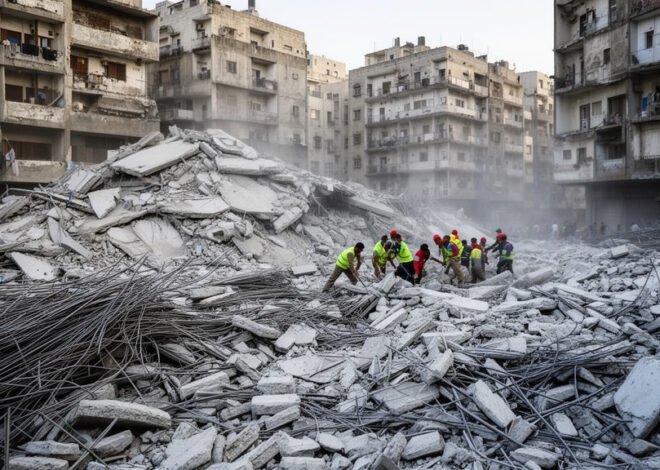
Despite the commencement of diplomatic efforts, the situation on the ground remained dire. Israeli forces reportedly killed at least seven Palestinians on Sunday, October 5, 2025, with reports from the preceding day indicating a higher toll. Further violence was reported on the day talks began, with Israeli airstrikes continuing to hit Gaza. The Gaza Health Ministry stated that at least 19 people were killed in Israeli attacks over the 24 hours prior to the negotiations, highlighting the volatile reality and the immense challenge of enforcing a ceasefire amid ongoing military operations. The precise number of casualties on October 5 and 6 varied across different reports, but the persistent bloodshed sharply contrasted with the diplomatic endeavors. Some reports indicate over 100 Palestinians were killed in Israeli strikes in the days leading up to October 29, 2025, challenging the ceasefire that began on October 10.
Sticking Points and Hopes for a Deal
While a framework for an agreement exists, substantial obstacles persist, casting doubt on the immediate prospects for a lasting peace. A critical point of contention is the timing of Israel’s withdrawal from populated areas relative to the release of hostages. Hamas has also voiced reservations regarding the complete disarmament demanded by Israel and the United States, a central element of the Trump plan. The proposed plan outlines a phased Israeli withdrawal, the demilitarization of Hamas under international supervision, and the eventual establishment of transitional governance by Palestinian technocrats. Under the agreement, for every Israeli hostage whose remains are recovered, Israel is to release the remains of 15 deceased Gazans; however, Hamas has indicated that locating all bodies presents a significant challenge. Despite these complexities, the U.S. administration, with Secretary of State Marco Rubio emphasizing that there is “no plan B,” maintains that this initiative represents the sole viable path forward. The terms of the prisoner exchange are detailed, with Hamas agreeing to release approximately 20 living hostages in exchange for nearly 2,000 Palestinian security prisoners, including those serving life sentences.
Domestic Pressure and Global Attention
The momentum for a resolution is significantly bolstered by domestic pressure within Israel. In Tel Aviv, tens of thousands have rallied in support of a hostage deal, while families of those held captive continue their protests outside Prime Minister Benjamin Netanyahu’s Jerusalem residence, urging swift and decisive action. These demonstrations underscore the public’s profound desire for the safe return of all hostages and an end to the devastating war. This recent news has captured the attention of the global community, with leaders keenly observing these developments for their potential impact on regional stability.
Broader Context and Future Outlook
These critical diplomatic efforts follow more than two years of devastating conflict, which ignited following Hamas’s attacks on Israel on October 7, 2023, and Israel’s subsequent extensive military campaign in Gaza. Previous attempts at a ceasefire have faltered, and the humanitarian crisis in Gaza has deepened substantially, leaving millions displaced and facing severe shortages of essential supplies. While the U.S.-backed plan, despite its fragility, offers a beacon of hope for a comprehensive resolution—potentially including pathways toward Palestinian self-rule or statehood contingent upon reforms and reconstruction—the persistent violence and fundamental disagreements over disarmament and future governance mean that the road to lasting peace remains exceptionally precarious and uncertain.


Related Posts